


Vous pensez qu'il y a une erreur sur ce lieu ?
Signaler une erreur
Vos retours sont importants pour nous. Si vous avez remarqué une erreur concernant ce lieu, merci de nous en informer pour que nous puissions la corriger.
Propriétaire de ce lieu ?
Nous récupérons automatiquement les informations disponibles sur votre lieu. Si jamais celles-ci ne sont pas correctes, connectez-vous gratuitement sur notre tableau de bord pour les modifier et bonus, accédez à vos statistiques détaillées.
 Modifier les informations de votre lieu
Ce qu'en disent les utilisateurs
Autres lieux à voir autour
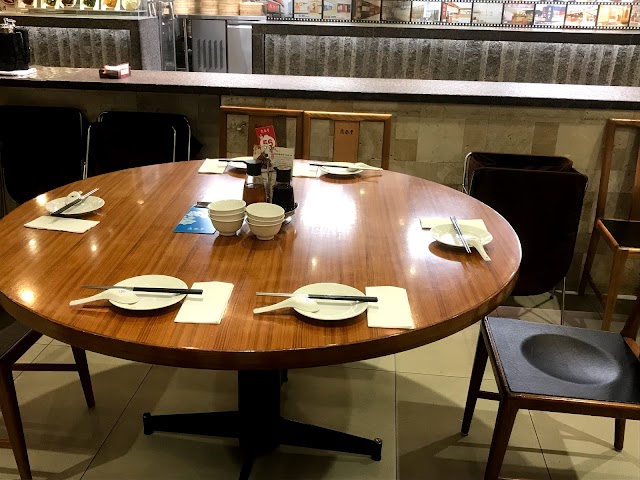 Din Tai Fung
110, Taïwan, Taipei City, Xinyi District, City Hall Rd, 45號台北101購物中心
Ajouté par467 utilisateurs
Din Tai Fung
110, Taïwan, Taipei City, Xinyi District, City Hall Rd, 45號台北101購物中心
Ajouté par467 utilisateurs
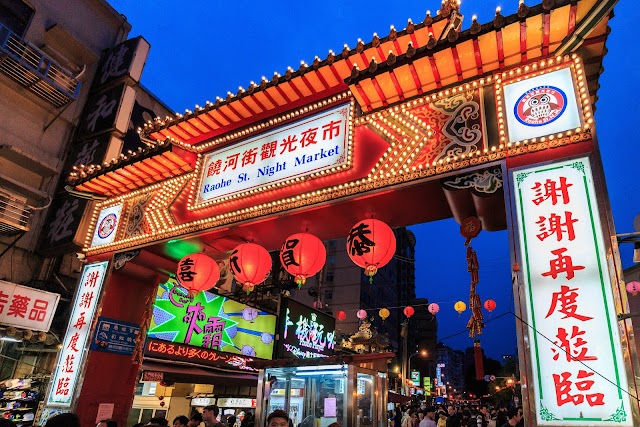 Raohe Street Night Market
Raohe St, Songshan District, Taipei City, Taïwan 105
Ajouté par403 utilisateurs
Raohe Street Night Market
Raohe St, Songshan District, Taipei City, Taïwan 105
Ajouté par403 utilisateurs
 Lungshan Temple
No. 211, Guangzhou St, Wanhua District, Taipei City, Taïwan 10853
Ajouté par363 utilisateurs
Lungshan Temple
No. 211, Guangzhou St, Wanhua District, Taipei City, Taïwan 10853
Ajouté par363 utilisateurs
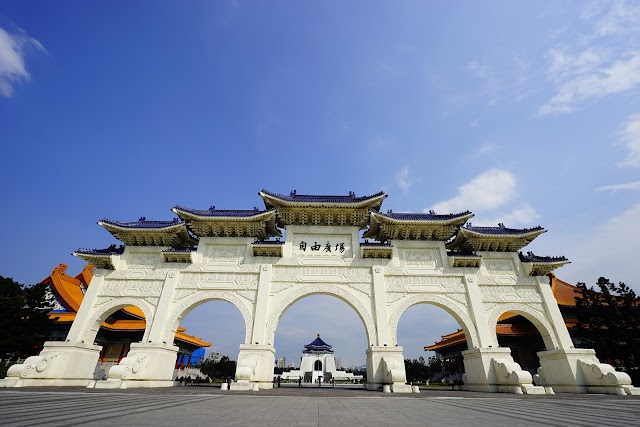 Chiang Kai-Shek Memorial
No. 21, Zhongshan South Road, Zhongzheng District, Taipei City, Taïwan 100
Ajouté par357 utilisateurs
Chiang Kai-Shek Memorial
No. 21, Zhongshan South Road, Zhongzheng District, Taipei City, Taïwan 100
Ajouté par357 utilisateurs
 Ningxia Night Market
Ningxia Road, Datong District, Taipei City, Taïwan 103
Ajouté par310 utilisateurs
Ningxia Night Market
Ningxia Road, Datong District, Taipei City, Taïwan 103
Ajouté par310 utilisateurs
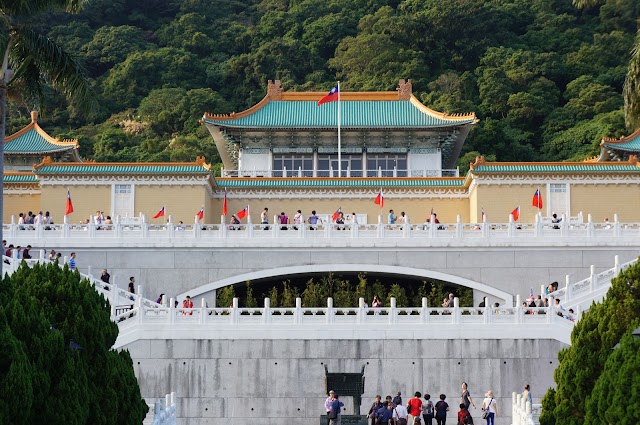 Musée national du palais
No. 221, Section 2, Zhishan Rd, Shilin District, Taipei City, Taïwan 111
Ajouté par257 utilisateurs
Musée national du palais
No. 221, Section 2, Zhishan Rd, Shilin District, Taipei City, Taïwan 111
Ajouté par257 utilisateurs
 Shi Lin Night Market
111, Taïwan, Taipei City, Shilin District, 111, No. 65, Section 5, Zhongshan North Road
Ajouté par248 utilisateurs
Shi Lin Night Market
111, Taïwan, Taipei City, Shilin District, 111, No. 65, Section 5, Zhongshan North Road
Ajouté par248 utilisateurs
 Elephant Mountain
No. 31, Alley 401, Lane 150, Section 5, Xinyi Road, Xinyi District, Taipei City, Taïwan 110
Ajouté par241 utilisateurs
Elephant Mountain
No. 31, Alley 401, Lane 150, Section 5, Xinyi Road, Xinyi District, Taipei City, Taïwan 110
Ajouté par241 utilisateurs
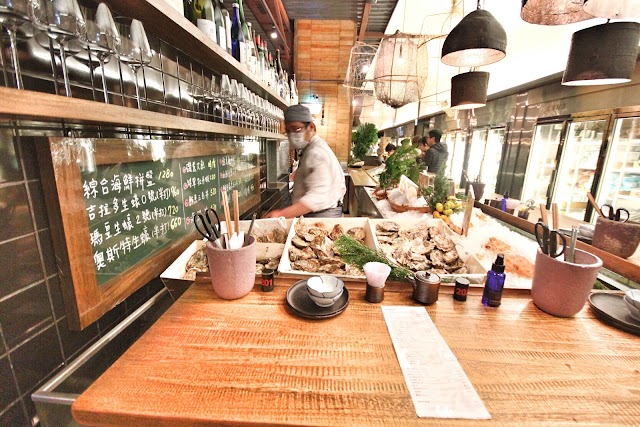 上引水产
No. 18, Alley 2, Lane 410, Minzu E Rd, Zhongshan District, Taipei City, Taïwan 104
Ajouté par239 utilisateurs
上引水产
No. 18, Alley 2, Lane 410, Minzu E Rd, Zhongshan District, Taipei City, Taïwan 104
Ajouté par239 utilisateurs
 Din Tai Fung
No. 194, Section 2, Xinyi Road, Da’an District, Taipei City, Taïwan 106
Ajouté par223 utilisateurs
Din Tai Fung
No. 194, Section 2, Xinyi Road, Da’an District, Taipei City, Taïwan 106
Ajouté par223 utilisateurs
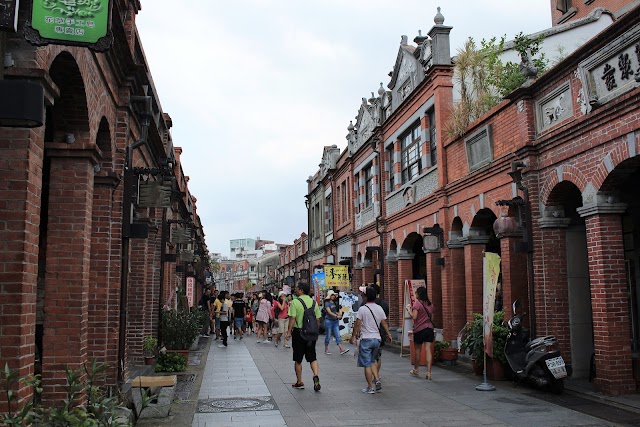
"Sanxia Old Street refers to the south section of Minquan Street in New Taipei City. Its length is about two hundred meters, and its architecture dates back to the early days when the Republic of China was newly established. Walking along Sanxia Old Street is like walking into a time tunnel; the arched red brick hallways, the traditional architecture, the beams, columns, ancient wooden plaques, the squat maidens walls and the figure carvings upon the buildings are all very unique. Walking along this ancient street brings a feeling of nostalgia for the good old days, and makes visitors want to linger. Sanxia Old Street is best preserved the along the Minquan Street, Heping Street, Ren'ai Street and Zhongshan Road. Minquan Street was the commercial center in the past, and the commercial stores and alleys that date back to the time of Japanese Occupation are still in good condition. Both the town and its street underwent modification during the Japanese Occupation; streets were expanded, rooftops, walkways, and drainage systems were also re-organized, and it was transformed into a stately, modernized street. During the time of Sanxia's heyday, the street was lined with shops that sold dyes, manufacturing materials, and tea, and western-style houses were also being built quickly. Nowadays, only the red brick buildings with arched hallways and Baroque styled architecture remain to tell of their past glory. The characters carved upon the ancient buildings in the street show the first and last names of the occupants, or their occupations, or the names of the store. The character is most frequently seen here, showing that there were many dye shops; the plaques hanging above the entrance of shops also had the shop's name, as well as the proprietors names carved into them. This was a much-used method of propaganda in those days. A section that jutted out from the wall of a building, and had different shapes carved upon it, was termed a mountain wall or a building these sections were usually higher in the middle, and flatter on either sides. The ornate figures upon the mountain walls had significance attached to them as well; a vase symbolized safety and an octagon was used to ward off evil. Red brick was the main material used for the side of the buildings facing the street; pebbles were less used, and cement was not used until recently, for renovations, was used for the interior walls of the buildings. Because the merchants who lived along the Street in those days were all well-to-do folks, the architectural style and the building materials used were the cream of the crop; many materials were imported, and some of the residents employed architects from as far as England. The protruding sections on the roof of the buildings and the carved patterns under the windowsills on the second floor of the buildings enhance the beauty of these constructions. The patterns are widely varied and extremely interesting to study."
@