


Vous pensez qu'il y a une erreur sur ce lieu ?
Signaler une erreur
Vos retours sont importants pour nous. Si vous avez remarqué une erreur concernant ce lieu, merci de nous en informer pour que nous puissions la corriger.
Propriétaire de ce lieu ?
Nous récupérons automatiquement les informations disponibles sur votre lieu. Si jamais celles-ci ne sont pas correctes, connectez-vous gratuitement sur notre tableau de bord pour les modifier et bonus, accédez à vos statistiques détaillées.
 Modifier les informations de votre lieu
Ce qu'en disent les utilisateurs
Approuvé par 2 partenaires officiels


Patrimoine Mondial de l'UNESCO
@unescoworldheritage
90955followers
1041places
"Most of this archaeological site, which started as a Roman military camp and grew to become a town from the 5th century, has not been excavated. It contains remains from the Roman, Byzantine and Early Muslim periods (end of 3rd to 9th centuries AD) and a fortified Roman military camp. The site also has 16 churches, some with well-preserved mosaic floors. Particularly noteworthy is the mosaic floor of the Church of Saint Stephen with its representation of towns in the region. Two square towers are probably the only remains of the practice, well known in this part of the world, of the stylites (ascetic monks who spent time in isolation atop a column or tower). Um er-Rasas is surrounded by, and dotted with, remains of ancient agricultural cultivation in an arid area. Criterion (i): Um er-Rasas is a masterpiece of human creative genius given the artistic and technical qualities of the mosaic floor of St Stephen's church. Criterion (iv): Um er-Rasas presents a unique and complete (therefore outstanding) example of stylite towers. Criterion (vi): Umm er-Rasas is strongly associated with monasticism and with the spread of monotheism in the whole region, including Islam. 📸 © UNESCO"

Histoire Itinérante
@histoireitinerante
2211followers
8204places
"L'essentiel du site archéologique d'Um er-Rasas n'a pas encore été fouillé. Le site, qui comprend des vestiges des périodes romaine, byzantine et du début de l'islam (de la fin du IIIe au IXe siècle apr. J.-C.), fut d'abord un camp militaire romain puis s'agrandit pour devenir une ville à partir du Ve siècle. Le camp militaire fortifié, a été peu fouillé. Le site comporte également 16 églises dont certaines possèdent des sols en mosaïque bien conservés, en particulier celui de l'église Saint-Etienne qui représente des villes de la région. Deux tours carrées sont probablement les seuls témoignages de la pratique, bien connue dans cette partie du monde, des anachorètes stylites (moines ascétiques qui s'isolaient au sommet d'une colonne ou d'une tour). Des vestiges d'anciennes activités agricoles parsèment le site d'Um er-Rasas et ses environs. "
Autres lieux à voir autour
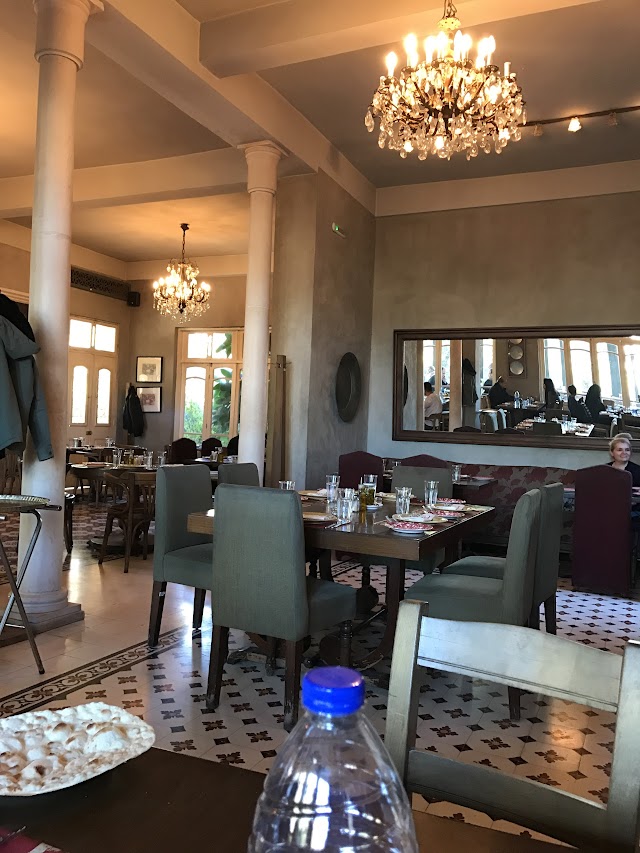 Sufra Restaurant
, Al Rainbow St 26, Amman 11181, Jordanie
Ajouté par614 utilisateurs
Sufra Restaurant
Sufra Restaurant, Al Rainbow St 26, Amman 11181, Jordanie
Ajouté par614 utilisateurs
 Hashem
King Faisal Street, Amman, Jordanie
Ajouté par434 utilisateurs
Hashem
King Faisal Street, Amman, Jordanie
Ajouté par434 utilisateurs
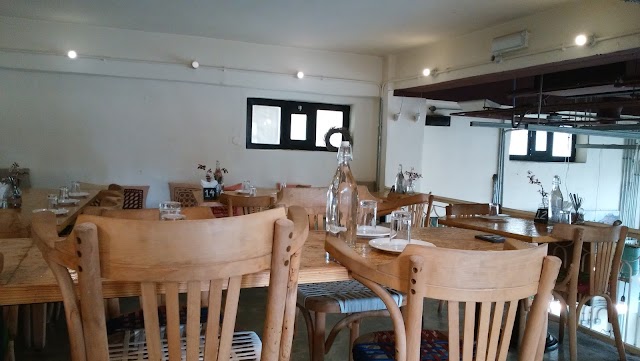 Shams El Balad
Amman, Jordanie
Ajouté par300 utilisateurs
Shams El Balad
Amman, Jordanie
Ajouté par300 utilisateurs
 Fakhr El-Din
Amman, Jordanie
Ajouté par170 utilisateurs
Fakhr El-Din
Amman, Jordanie
Ajouté par170 utilisateurs
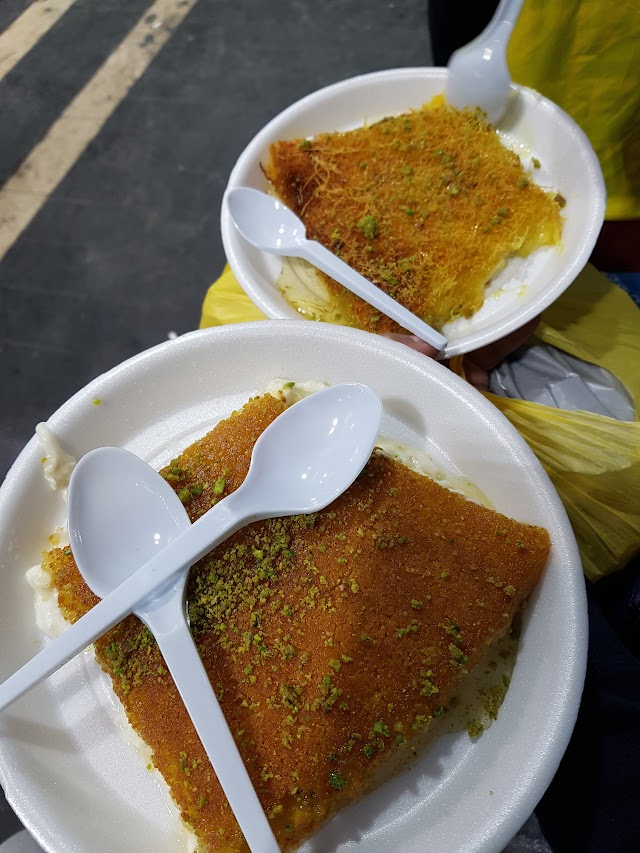 Habiba Sweet
K. Hussein St., Amman, Jordanie
Ajouté par235 utilisateurs
Habiba Sweet
K. Hussein St., Amman, Jordanie
Ajouté par235 utilisateurs
 Haret Jdoudna
Madaba, Jordanie
Ajouté par206 utilisateurs
Haret Jdoudna
Madaba, Jordanie
Ajouté par206 utilisateurs
 Amman Citadel
Amman, Jordanie
Ajouté par203 utilisateurs
Amman Citadel
Amman, Jordanie
Ajouté par203 utilisateurs
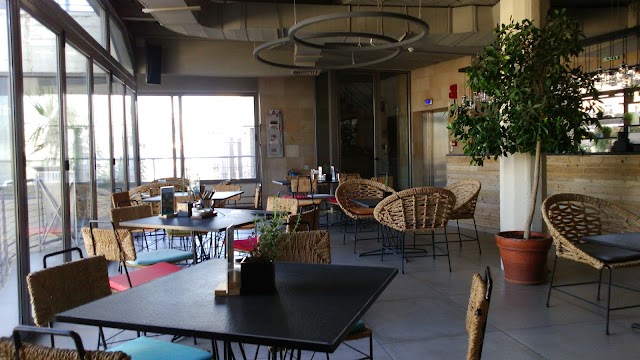 Wild Jordan Center
Othman Ben Affan St. 36، Amman, Jordanie
Ajouté par183 utilisateurs
Wild Jordan Center
Othman Ben Affan St. 36، Amman, Jordanie
Ajouté par183 utilisateurs
 Le Théâtre Romain d'Amman
Al-Hashemi St., Amman, Jordanie
Ajouté par185 utilisateurs
Le Théâtre Romain d'Amman
Al-Hashemi St., Amman, Jordanie
Ajouté par185 utilisateurs
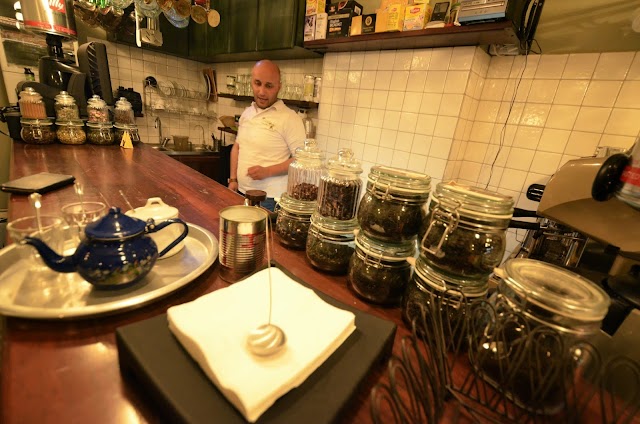 Rumi Cafe
Amman, Jordanie
Ajouté par180 utilisateurs
Rumi Cafe
Amman, Jordanie
Ajouté par180 utilisateurs
"L'essentiel du site archéologique d'Um er-Rasas n'a pas encore été fouillé. Le site, qui comprend des vestiges des périodes romaine, byzantine et du début de l'islam (de la fin du IIIe au IXe siècle apr. J.-C.), fut d'abord un camp militaire romain puis s'agrandit pour devenir une ville à partir du Ve siècle. Le camp militaire fortifié, a été peu fouillé. Le site comporte également 16 églises dont certaines possèdent des sols en mosaïque bien conservés, en particulier celui de l'église Saint-Etienne qui représente des villes de la région. Deux tours carrées sont probablement les seuls témoignages de la pratique, bien connue dans cette partie du monde, des anachorètes stylites (moines ascétiques qui s'isolaient au sommet d'une colonne ou d'une tour). Des vestiges d'anciennes activités agricoles parsèment le site d'Um er-Rasas et ses environs. "
@histoireitinerante
"Patrimoine Mondial de l'Unesco"
@sophie.hartmann