




Taktsang Lhakhang : Monastère emblématique à Paro
Fondé dans le cadre d'une tradition spirituelle ancestrale, Taktsang Lhakhang, également appelé Nid du Tigre, a été construit sur un site mythique dans la vallée de Paro. Accessible depuis l'adresse Taktsang trail, Bhoutan, ce monastère a été établi en hommage à Padmasambhava, qui aurait médité dans ses grottes après être arrivé en volant à dos de tigresse magique. Depuis sa création, en 1692, il est devenu un symbole de spiritualité et d'histoire pour le pays. La visite de ce site offre une immersion dans un lieu chargé d'histoire, mêlant architecture traditionnelle et paysages à couper le souffle, faisant de chaque activity une expérience inoubliable.
Le monastère se distingue par ses bâtiments aux murs blanc, ses toits rouges éclatants et ses plafonds dorés, témoignant d'une architecture remarquable. Il abrite plusieurs temples bouddhistes, un musée retraçant l'histoire locale, ainsi que des activités culturelles telles que des prières et des méditations. La montée pour y accéder, une randonnée de deux heures, est une aventure en soi, offrant des vues spectaculaires sur la vallée de Paro. L'ambiance y est à la fois paisible et sacrée, avec un décor qui invite à la contemplation, dans un cadre naturel exceptionnel. Taktsang Lhakhang est une étape incontournable pour quiconque souhaite découvrir la richesse culturelle et spirituelle du Bhoutan.
Vos retours sont importants pour nous. Si vous avez remarqué une erreur concernant ce lieu, merci de nous en informer pour que nous puissions la corriger.
Nous récupérons automatiquement les informations disponibles sur votre lieu. Si jamais celles-ci ne sont pas correctes, connectez-vous gratuitement sur notre tableau de bord pour les modifier et bonus, accédez à vos statistiques détaillées.
 Modifier les informations de votre lieu
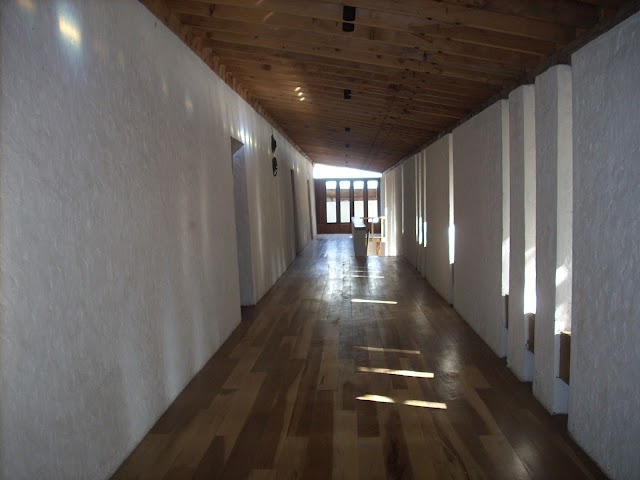 Amankora
Near Kuenga Chhoeling Palace, Thimphu, Bhoutan
Ajouté par64 utilisateurs
Amankora
Near Kuenga Chhoeling Palace, Thimphu, Bhoutan
Ajouté par64 utilisateurs
 SIX SENSES PROJECT
Thimphu, Bhoutan
Ajouté par32 utilisateurs
SIX SENSES PROJECT
Thimphu, Bhoutan
Ajouté par32 utilisateurs
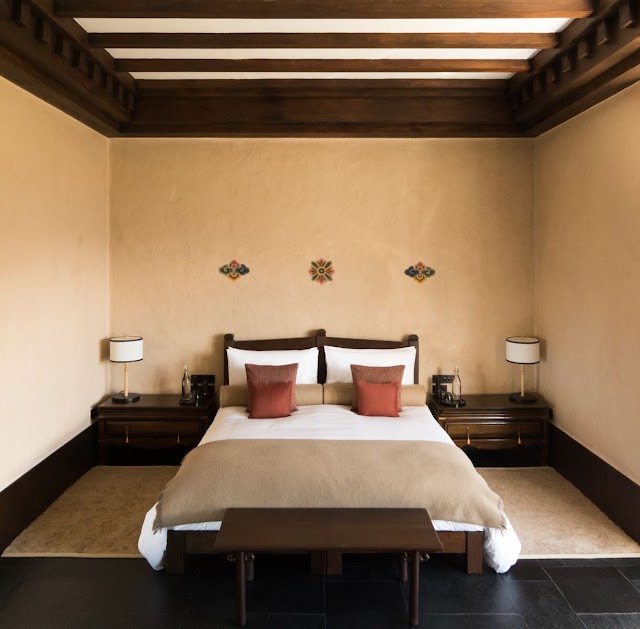 Gangtey Lodge Bhutan
Just under the Monastry, Gangtey (Phobjikha) Valley, Bhoutan
Ajouté par30 utilisateurs
Gangtey Lodge Bhutan
Just under the Monastry, Gangtey (Phobjikha) Valley, Bhoutan
Ajouté par30 utilisateurs
 andBeyond Punakha River Lodge
JRQ3+937, Punakha 13001, Bhoutan
Ajouté par6 utilisateurs
andBeyond Punakha River Lodge
JRQ3+937, Punakha 13001, Bhoutan
Ajouté par6 utilisateurs
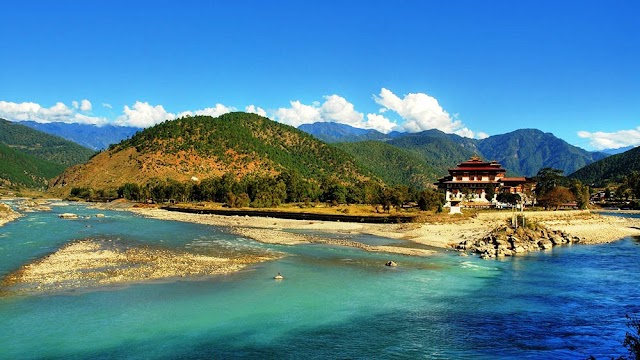 Bhoutan
Ajouté par29 utilisateurs
Bhoutan
Bhoutan
Ajouté par29 utilisateurs
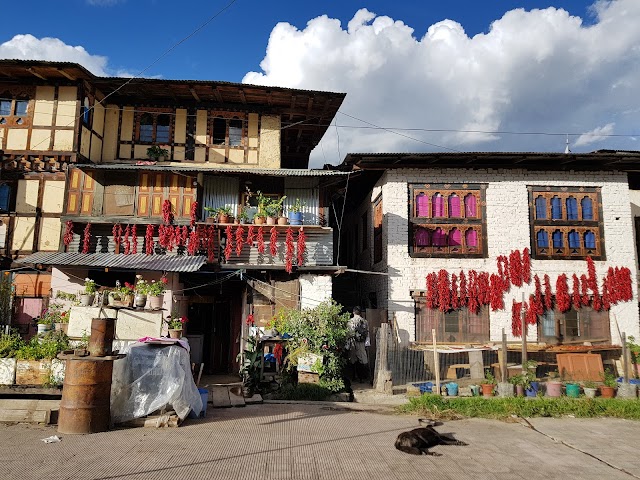 COMO Uma Paro
Paro Valley, Paro 00000, Bhoutan
Ajouté par27 utilisateurs
COMO Uma Paro
Paro Valley, Paro 00000, Bhoutan
Ajouté par27 utilisateurs
 Amankora Hotel
Punakha, Bhoutan
Ajouté par21 utilisateurs
Amankora Hotel
Punakha, Bhoutan
Ajouté par21 utilisateurs
 Bhutan Spirit Sanctuary
Neyphu Valley, Shaba Paro BT 12001, Bhoutan
Ajouté par20 utilisateurs
Bhutan Spirit Sanctuary
Neyphu Valley, Shaba Paro BT 12001, Bhoutan
Ajouté par20 utilisateurs
 UMA Punakha
Punakha, Bhoutan
Ajouté par22 utilisateurs
UMA Punakha
Punakha, Bhoutan
Ajouté par22 utilisateurs
 Darjeeling
, Bengale-Occidental, Inde
Ajouté par19 utilisateurs
Darjeeling
Darjeeling, Bengale-Occidental, Inde
Ajouté par19 utilisateurs
Sovanna Mv
@sovanna.mv
"Tiger's Nest Monastery, Paro Valley, Bhutan"