

The Jewish Museum Shop


The Jewish Museum Shop à New York : Art et Judaica
Situé au cœur de l’Upper East Side, au 1109 5th Ave à New York, le Jewish Museum Shop a été fondé en 1904, en tant que partie intégrante du Jewish Museum. Ce lieu emblématique, dédié à la promotion de l’art juif, accueille chaque année de nombreux visiteurs souhaitant explorer la richesse culturelle de la communauté juive à travers des œuvres variées. Le musée, reconnu pour sa collection exceptionnelle, met en avant des pièces de sculpture, de peinture, ainsi que des objets de judaica, offrant une immersion dans l’histoire et l’art juifs. La boutique, située dans ce bâtiment historique, propose une sélection unique d’objets artisanaux, de bijoux, et d’articles de judaica, parfaits pour les amateurs d’art et de culture. La visite du musée est une expérience enrichissante, permettant d’admirer des œuvres de grands artistes juifs et de découvrir l’histoire juive à travers l’art. L’ambiance du lieu allie élégance et authenticité, avec un décor qui met en valeur la richesse artistique et culturelle de la communauté. Le Jewish Museum Shop reste un incontournable pour tous ceux qui souhaitent explorer l’art juif dans un cadre historique et culturel exceptionnel à New York.
Vos retours sont importants pour nous. Si vous avez remarqué une erreur concernant ce lieu, merci de nous en informer pour que nous puissions la corriger.
Nous récupérons automatiquement les informations disponibles sur votre lieu. Si jamais celles-ci ne sont pas correctes, connectez-vous gratuitement sur notre tableau de bord pour les modifier et bonus, accédez à vos statistiques détaillées.
 Modifier les informations de votre lieu

New York 2018
@petitfute
"Fondé en 1904, ce musée retrace l'histoire et la culture du peuple juif dans le monde, de l'Antiquité à nos jours. La fascinante exposition Culture and Continuity : The Jewish Journey va être remplacée, après 25 ans de permanence, par une nouvelle en janvier 2018, intitulée Scenes from the Collection, installée au troisième étage et proposant 650 oeuvres de la collection du musée : objets culturels, orfèvreries, tableaux et documents audiovisuels. Les deux premiers étages du musée sont consacrés à des expositions temporaires représentant des événements historiques de la culture juive ou des interprétations personnelles d'artistes contemporains renommés (Schoenberg, Kandinsky, Frida Kahlo...)."
Histoire Itinérante
@histoireitinerante
"𝑳𝒐𝒊𝒏 𝒅𝒆𝒗𝒂𝒏𝒕 𝑻𝒆𝒍-𝑨𝒗𝒊𝒗 𝒐𝒖 𝑱𝒆́𝒓𝒖𝒔𝒂𝒍𝒆𝒎, 𝑵𝒆𝒘 𝒀𝒐𝒓𝒌 𝒂𝒃𝒓𝒊𝒕𝒆 𝒍𝒂 𝒑𝒍𝒖𝒔 𝒊𝒎𝒑𝒐𝒓𝒕𝒂𝒏𝒕𝒆 𝒄𝒐𝒎𝒎𝒖𝒏𝒂𝒖𝒕𝒆́ 𝒋𝒖𝒊𝒗𝒆 𝒂𝒖 𝒎𝒐𝒏𝒅𝒆, 𝒇𝒐𝒓𝒕𝒆 𝒅𝒆 𝒑𝒍𝒖𝒔 𝒅𝒆 1,5 𝒎𝒊𝒍𝒍𝒊𝒐𝒏𝒔 𝒅𝒆 𝒑𝒆𝒓𝒔𝒐𝒏𝒏𝒆𝒔. 𝑺𝒖𝒊𝒕𝒆 𝒂𝒖𝒙 𝒕𝒓𝒂𝒈𝒊𝒒𝒖𝒆𝒔 𝒆́𝒗𝒆́𝒏𝒆𝒎𝒆𝒏𝒕𝒔 𝒅𝒖 𝑿𝑰𝑿𝒆 𝒆𝒕 𝒔𝒖𝒓𝒕𝒐𝒖𝒕 𝒅𝒖 𝑿𝑿𝒆 𝒔𝒊𝒆̀𝒄𝒍𝒆, 𝒍𝒆𝒔 𝑬𝒕𝒂𝒕𝒔-𝑼𝒏𝒊𝒔 𝒐𝒏𝒕 𝒄𝒐𝒏𝒔𝒕𝒊𝒕𝒖𝒆́ 𝒍'𝒖𝒏𝒆 𝒅𝒆𝒔 𝒑𝒓𝒊𝒏𝒄𝒊𝒑𝒂𝒍𝒆𝒔 𝒕𝒆𝒓𝒓𝒆𝒔 𝒅𝒆 𝒓𝒆𝒇𝒖𝒈𝒆 𝒅𝒆𝒔 𝑱𝒖𝒊𝒇𝒔 𝒅'𝑬𝒖𝒓𝒐𝒑𝒆 𝒐𝒓𝒊𝒆𝒏𝒕𝒂𝒍𝒆 – 𝒒𝒖𝒊 𝒄𝒐𝒏𝒔𝒕𝒊𝒕𝒖𝒂𝒊𝒆𝒏𝒕 𝒅𝒆𝒑𝒖𝒊𝒔 𝒍𝒆 𝑴𝒐𝒚𝒆𝒏-𝑨̂𝒈𝒆 𝒍𝒂 𝒑𝒍𝒖𝒔 𝒊𝒎𝒑𝒐𝒓𝒕𝒂𝒏𝒕𝒆 𝒄𝒐𝒎𝒎𝒖𝒏𝒂𝒖𝒕𝒆́ 𝒋𝒖𝒊𝒗𝒆 𝒅𝒆 𝒍𝒂 𝑷𝒍𝒂𝒏𝒆̀𝒕𝒆 𝒆𝒕 𝒒𝒖𝒊 𝒓𝒆𝒈𝒓𝒐𝒖𝒑𝒂𝒊𝒆𝒏𝒕 𝒂𝒖 𝒅𝒆́𝒃𝒖𝒕 𝒅𝒆𝒔 𝒂𝒏𝒏𝒆́𝒆𝒔 1940 𝒑𝒓𝒆̀𝒔 𝒅𝒆 60% 𝒅𝒆𝒔 𝑱𝒖𝒊𝒇𝒔 𝒅𝒖 𝒎𝒐𝒏𝒅𝒆. 𝑳𝒆𝒔 𝑬𝒕𝒂𝒕𝒔-𝑼𝒏𝒊𝒔 𝒄𝒐𝒎𝒑𝒕𝒆𝒏𝒕 𝒂𝒖𝒋𝒐𝒖𝒓𝒅'𝒉𝒖𝒊 𝒑𝒍𝒖𝒔 𝒅𝒆 7 𝒎𝒊𝒍𝒍𝒊𝒐𝒏𝒔 𝒅'𝒉𝒂𝒃𝒊𝒕𝒂𝒏𝒕𝒔 𝒅𝒆 𝒄𝒐𝒏𝒇𝒆𝒔𝒔𝒊𝒐𝒏 𝒋𝒖𝒊𝒗𝒆 (𝒅𝒐𝒏𝒕 𝒖𝒏 𝒒𝒖𝒂𝒓𝒕 𝒓𝒆́𝒔𝒊𝒅𝒆𝒏𝒕 𝒂̀ 𝑵𝒆𝒘 𝒀𝒐𝒓𝒌 !), 𝒆𝒕 𝒄𝒐𝒏𝒔𝒕𝒊𝒕𝒖𝒂𝒊𝒕 𝒍𝒆 𝒑𝒓𝒆𝒎𝒊𝒆𝒓 𝒑𝒂𝒚𝒔 𝒋𝒖𝒊𝒇 𝒅𝒖 𝒎𝒐𝒏𝒅𝒆 𝒋𝒖𝒔𝒒𝒖'𝒊𝒍 𝒚 𝒂̀ 𝒑𝒆𝒖 𝒅𝒆 𝒕𝒆𝒎𝒑𝒔 (𝒍𝒂 𝒑𝒍𝒂𝒄𝒆 𝒆𝒔𝒕 𝒂𝒖𝒋𝒐𝒖𝒓𝒅'𝒉𝒖𝒊 𝒐𝒄𝒄𝒖𝒑𝒆́𝒆 𝒑𝒂𝒓 𝑰𝒔𝒓𝒂𝒆̈𝒍). 𝑳'𝒉𝒊𝒔𝒕𝒐𝒊𝒓𝒆 𝒅𝒆 𝑵𝒆𝒘 𝒀𝒐𝒓𝒌 𝒆𝒔𝒕 𝒆́𝒕𝒓𝒐𝒊𝒕𝒆𝒎𝒆𝒏𝒕 𝒍𝒊𝒆́𝒆 𝒂̀ 𝒄𝒆𝒍𝒍𝒆 𝒅𝒆 𝒔𝒂 𝒄𝒐𝒎𝒎𝒖𝒏𝒂𝒖𝒕𝒆́ 𝒋𝒖𝒊𝒗𝒆 (𝒆𝒕 𝒎𝒂𝒓𝒓𝒂𝒏𝒆), 𝒂𝒓𝒓𝒊𝒗𝒆́𝒆 𝒅𝒆̀𝒔 𝒍𝒆 𝒕𝒆𝒎𝒑𝒔 𝒅𝒆 𝒍'𝒊𝒎𝒑𝒍𝒂𝒏𝒕𝒂𝒕𝒊𝒐𝒏 𝒅𝒆𝒔 𝒄𝒐𝒍𝒐𝒏𝒔 𝒉𝒐𝒍𝒍𝒂𝒏𝒅𝒂𝒊𝒔 𝒆𝒕 𝒅𝒆 𝒍𝒂 𝒇𝒐𝒏𝒅𝒂𝒕𝒊𝒐𝒏 𝒅𝒆 𝒄𝒆𝒍𝒍𝒆 𝒒𝒖𝒊 𝒆́𝒕𝒂𝒊𝒕 𝒂𝒍𝒐𝒓𝒔 𝒃𝒂𝒑𝒕𝒊𝒔𝒆́𝒆 𝒍𝒂 "𝑵𝒐𝒖𝒗𝒆𝒍𝒍𝒆-𝑨𝒎𝒔𝒕𝒆𝒓𝒅𝒂𝒎", 𝒆𝒕 𝒄𝒐𝒏𝒔𝒊𝒅𝒆́𝒓𝒆́𝒆 𝒑𝒂𝒓 𝒍𝒆𝒔 𝑱𝒖𝒊𝒇𝒔 𝒆́𝒎𝒊𝒈𝒓𝒆́𝒔 𝒂𝒖 𝑵𝒐𝒖𝒗𝒆𝒂𝒖 𝑴𝒐𝒏𝒅𝒆 𝒄𝒐𝒎𝒎𝒆 𝒍'𝒖𝒏𝒆 𝒅𝒆𝒔 "𝑵𝒐𝒖𝒗𝒆𝒍𝒍𝒆-𝑱𝒆́𝒓𝒖𝒔𝒂𝒍𝒆𝒎". Créé en 1904, le musée juif de New York (Jewish Museum) a été fondé lorsque le Jewish Theological Seminary of America a reçu un don de vingt-six objets d'art de cérémonie du juge Mayer Sulzberger. En 1944, Frieda Schiff Warburg, veuve du philanthrope Felix Warburg, a fait don de l'hôtel particulier familial, situé sur la 5e Avenue et la 92e Rue à New York, pour en faire un musée ouvert au public en mai 1947. Il est installé de l'ancien hôtel particulier new-yorkais de la famille Warburg, une dynastie juive de financiers et de banquiers d'origine italienne et allemande. Les Warburgs sont considérés, avec quelques autres familles (Weirtheimer, Cahen d'Anvers, Goldsmith, Rothschild, etc.) comme faisant partie des "grandes dynasties juives" du capitalisme européen. Le musée détient une collection de 28.000 objets, dont des peintures, sculptures, objets archéologiques, et de nombreux autres pièces importantes pour la préservation de l'histoire et de la culture juive. Il possède la plus grande collection d'art et d'objets de culte juif des États-Unis. Le musée abrite la sculpture de George Segal The Holocaust. 𝐍𝐞𝐰 𝐘𝐨𝐫𝐤, 𝐥𝐚 𝐩𝐫𝐞𝐦𝐢𝐞̀𝐫𝐞 𝐯𝐢𝐥𝐥𝐞 𝐣𝐮𝐢𝐯𝐞 𝐝𝐮 𝐦𝐨𝐧𝐝𝐞 (𝒆𝒙𝒕𝒓𝒂𝒊𝒕 𝒅'𝒖𝒏 𝒆𝒏𝒕𝒓𝒆𝒕𝒊𝒆𝒏 𝒅𝒐𝒏𝒏𝒆́ 𝒑𝒂𝒓 𝑺𝒆𝒓𝒈𝒆 𝑱𝒖𝒍𝒚 𝒂𝒖 𝒎𝒆́𝒅𝒊𝒂 𝑻𝒉𝒆 𝑻𝒊𝒎𝒆𝒔 𝒐𝒇 𝑰𝒔𝒓𝒂𝒆̈𝒍) « 𝑩𝒂𝒃𝒆𝒍 𝒆𝒔𝒕 𝒍’𝒂𝒖𝒕𝒓𝒆 𝒏𝒐𝒎 𝒅𝒆 𝑵𝒆𝒘 𝒀𝒐𝒓𝒌… 𝐴𝑣𝑒𝑐 1,8 𝑚𝑖𝑙𝑙𝑖𝑜𝑛 𝑑𝑒 𝑗𝑢𝑖𝑓𝑠, 𝑁𝑒𝑤 𝑌𝑜𝑟𝑘 𝑒𝑠𝑡 𝑙𝑎 𝑝𝑟𝑒𝑚𝑖𝑒̀𝑟𝑒 𝑣𝑖𝑙𝑙𝑒 𝑗𝑢𝑖𝑣𝑒 𝑑𝑢 𝑚𝑜𝑛𝑑𝑒. 𝐼𝑙 𝑦 𝑎 𝑎𝑢𝑗𝑜𝑢𝑟𝑑’ℎ𝑢𝑖 6 𝑚𝑖𝑙𝑙𝑖𝑜𝑛𝑠 𝑑𝑒 𝑗𝑢𝑖𝑓𝑠 𝑎𝑢𝑥 𝐸𝑡𝑎𝑡𝑠-𝑈𝑛𝑖𝑠, 𝑐𝑒 𝑞𝑢𝑖 𝑒𝑛 𝑎 𝑓𝑎𝑖𝑡 𝑙𝑜𝑛𝑔𝑡𝑒𝑚𝑝𝑠 𝑙𝑒 « 𝑝𝑟𝑒𝑚𝑖𝑒𝑟 » 𝑝𝑎𝑦𝑠 𝑗𝑢𝑖𝑓. 𝑵𝒐𝒕𝒐𝒏𝒔 𝒒𝒖’𝑰𝒔𝒓𝒂𝒆̈𝒍 𝒆𝒔𝒕, 𝒅𝒆𝒑𝒖𝒊𝒔 𝒑𝒍𝒖𝒔 𝒅𝒆 10 𝒂𝒏𝒔, 𝒍𝒂 𝒑𝒓𝒆𝒎𝒊𝒆̀𝒓𝒆 𝒄𝒐𝒎𝒎𝒖𝒏𝒂𝒖𝒕𝒆́ 𝒋𝒖𝒊𝒗𝒆 𝒅𝒖 𝒎𝒐𝒏𝒅𝒆 𝒂𝒗𝒆𝒄 𝒑𝒓𝒆̀𝒔 𝒅𝒆 7 𝒎𝒊𝒍𝒍𝒊𝒐𝒏𝒔 𝒅𝒆 𝒋𝒖𝒊𝒇𝒔 (𝒔𝒐𝒖𝒓𝒄𝒆𝒔 : 𝑶𝒇𝒇𝒊𝒄𝒆 𝑵𝒂𝒕𝒊𝒐𝒏𝒂𝒍 𝑰𝒔𝒓𝒂𝒆́𝒍𝒊𝒆𝒏 𝒅𝒆 𝑻𝒐𝒖𝒓𝒊𝒔𝒎𝒆). 𝑪𝒐𝒎𝒎𝒆𝒏𝒕 𝒆𝒙𝒑𝒍𝒊𝒒𝒖𝒆𝒓 𝒒𝒖𝒆 𝑵𝒆𝒘 𝒀𝒐𝒓𝒌 𝒆𝒔𝒕 𝒖𝒏𝒆 𝒗𝒊𝒍𝒍𝒆 𝒅’𝒆́𝒕𝒓𝒂𝒏𝒈𝒆𝒓𝒔 ? 𝑁𝑒𝑤 𝑌𝑜𝑟𝑘 𝑒𝑠𝑡 𝑐𝑜𝑛𝑠𝑡𝑖𝑡𝑢𝑒́ 𝑑𝑒 𝑝𝑙𝑢𝑠𝑖𝑒𝑢𝑟𝑠 𝑒́𝑙𝑒́𝑚𝑒𝑛𝑡𝑠. 𝐻𝑖𝑠𝑡𝑜𝑟𝑖𝑞𝑢𝑒𝑚𝑒𝑛𝑡, 𝑙𝑒𝑠 𝑁𝑒́𝑒𝑟𝑙𝑎𝑛𝑑𝑎𝑖𝑠 𝑜𝑛𝑡 𝑢𝑛 𝑟𝑜̂𝑙𝑒 𝑜𝑟𝑖𝑔𝑖𝑛𝑒𝑙 𝑒𝑠𝑠𝑒𝑛𝑡𝑖𝑒𝑙 𝑎̀ 𝑁𝑒𝑤 𝑌𝑜𝑟𝑘 𝑞𝑢𝑖 𝑎 𝑐𝑜𝑛𝑠𝑒𝑟𝑣𝑒́ 𝑐𝑒𝑡 𝐴𝐷𝑁. 𝐿𝑎 𝑝𝑟𝑒𝑚𝑖𝑒̀𝑟𝑒 𝑏𝑜𝑢𝑟𝑠𝑒 𝑑𝑢 𝑚𝑜𝑛𝑑𝑒 𝑎 𝑒́𝑡𝑒́ 𝑐𝑟𝑒́𝑒́𝑒 𝑎̀ 𝐴𝑚𝑠𝑡𝑒𝑟𝑑𝑎𝑚. 𝑇𝑜𝑢𝑡 𝑙𝑒 𝑚𝑜𝑛𝑑𝑒 𝑝𝑜𝑢𝑣𝑎𝑖𝑡 𝑠𝑜𝑢𝑠𝑐𝑟𝑖𝑟𝑒, 𝑦 𝑐𝑜𝑚𝑝𝑟𝑖𝑠 𝑑𝑒𝑠 𝑣𝑎𝑙𝑒𝑡𝑠 𝑑𝑒 𝑐ℎ𝑎𝑚𝑏𝑟𝑒 𝑜𝑢 𝑑𝑒𝑠 𝑏𝑜𝑛𝑛𝑒𝑠. 𝐷𝑒 𝑙𝑎 𝑚𝑒̂𝑚𝑒 𝑓𝑎𝑐̧𝑜𝑛, 𝑐𝑒𝑢𝑥 𝑞𝑢𝑖 𝑎𝑟𝑟𝑖𝑣𝑎𝑖𝑒𝑛𝑡 𝑎̀ 𝑁𝑒𝑤 𝑌𝑜𝑟𝑘 𝑎̀ 𝑐𝑒𝑡𝑡𝑒 𝑒́𝑝𝑜𝑞𝑢𝑒 𝑛’𝑎𝑣𝑎𝑖𝑒𝑛𝑡 𝑟𝑖𝑒𝑛 𝑎̀ 𝑣𝑜𝑖𝑟 𝑎𝑣𝑒𝑐 𝑐𝑒𝑢𝑥 𝑑𝑢 𝑀𝑎𝑦𝑓𝑙𝑜𝑤𝑒𝑟. 𝐼𝑙𝑠 𝑎𝑣𝑎𝑖𝑒𝑛𝑡 𝑑𝑒́𝑏𝑎𝑟𝑞𝑢𝑒́ 𝑝𝑜𝑢𝑟 « 𝑒𝑥𝑝𝑙𝑜𝑖𝑡𝑒𝑟 𝑙𝑒 𝑚𝑜𝑛𝑑𝑒 », 𝑠𝑒𝑙𝑜𝑛 𝑙𝑎 𝑓𝑜𝑟𝑚𝑢𝑙𝑒 𝑞𝑢𝑖 𝑓𝑖𝑔𝑢𝑟𝑒 𝑑𝑎𝑛𝑠 𝑙𝑒 𝑡𝑟𝑎𝑖𝑡𝑒́ 𝑑𝑒 𝐵𝑟𝑒𝑑𝑎 (𝑛𝑑𝑙𝑟: 𝑇𝑟𝑎𝑖𝑡𝑒́ 𝑐𝑜𝑛𝑐𝑙𝑢 𝑒𝑛𝑡𝑟𝑒 𝑙’𝐴𝑛𝑔𝑙𝑒𝑡𝑒𝑟𝑟𝑒, 𝑙𝑒𝑠 𝑃𝑟𝑜𝑣𝑖𝑛𝑐𝑒𝑠-𝑈𝑛𝑖𝑒𝑠, 𝑙𝑎 𝐹𝑟𝑎𝑛𝑐𝑒 𝑒𝑡 𝑙𝑒 𝐷𝑎𝑛𝑒𝑚𝑎𝑟𝑘, 𝑞𝑢𝑖 𝑚𝑖𝑡 𝑓𝑖𝑛 𝑎̀ 𝑙𝑎 𝑠𝑒𝑐𝑜𝑛𝑑𝑒 𝑔𝑢𝑒𝑟𝑟𝑒 𝑎𝑛𝑔𝑙𝑜-ℎ𝑜𝑙𝑙𝑎𝑛𝑑𝑎𝑖𝑠𝑒 (1665-1667) 𝑒𝑡 𝑐𝑜𝑛𝑠𝑒𝑟𝑣𝑎𝑖𝑡 𝑎̀ 𝑙’𝐴𝑛𝑔𝑙𝑒𝑡𝑒𝑟𝑟𝑒 𝑙𝑎 𝑁𝑜𝑢𝑣𝑒𝑙𝑙𝑒-𝐴𝑚𝑠𝑡𝑒𝑟𝑑𝑎𝑚/𝑁𝑒𝑤 𝑌𝑜𝑟𝑘). 𝐶’𝑒́𝑡𝑎𝑖𝑡 𝑑𝑒́𝑗𝑎̀ 𝑡𝑟𝑒̀𝑠 « 𝑏𝑢𝑠𝑖𝑛𝑒𝑠𝑠 » 𝑒𝑡 𝑐’𝑒𝑠𝑡 𝑑𝑒𝑣𝑒𝑛𝑢 𝑢𝑛 𝑟𝑒𝑓𝑢𝑔𝑒. 𝐿𝑒𝑠 𝐽𝑢𝑖𝑓𝑠 𝑠𝑜𝑛𝑡 𝑎𝑟𝑟𝑖𝑣𝑒́𝑠 𝑡𝑟𝑒̀𝑠 𝑡𝑜̂𝑡. 𝑳’𝒖𝒏𝒆 𝒅𝒆𝒔 𝒆𝒏𝒕𝒓𝒆́𝒆𝒔 𝒅𝒖 𝒅𝒊𝒄𝒕𝒊𝒐𝒏𝒏𝒂𝒊𝒓𝒆 𝒔’𝒊𝒏𝒕𝒊𝒕𝒖𝒍𝒆 « 𝑱𝒖𝒊𝒇, 𝑳𝒆 𝒑𝒓𝒆𝒎𝒊𝒆𝒓 ». 𝑸𝒖𝒊 𝒆𝒔𝒕 𝒄𝒆 𝒑𝒆𝒓𝒔𝒐𝒏𝒏𝒂𝒈𝒆 𝒂𝒖 𝒏𝒐𝒎 𝒔𝒆𝒎𝒃𝒍𝒂𝒏𝒕 𝒕𝒐𝒖𝒕 𝒅𝒓𝒐𝒊𝒕 𝒔𝒐𝒓𝒕𝒊 𝒅𝒆 𝒍𝒂 𝒔𝒆́𝒓𝒊𝒆 𝑳𝒆𝒔 𝑺𝒊𝒎𝒑𝒔𝒐𝒏𝒔 𝒅𝒐𝒏𝒕 𝒖𝒏 𝒂𝒓𝒕𝒊𝒄𝒍𝒆 𝒅𝒆 𝑻𝒊𝒎𝒆𝒔 𝒐𝒇 𝑰𝒔𝒓𝒂𝒆̈𝒍 𝒔𝒐𝒖𝒍𝒊𝒈𝒏𝒂𝒊𝒕 𝒍𝒆 𝒕𝒓𝒐𝒑𝒊𝒔𝒎𝒆 𝒋𝒖𝒊𝒇 ? 𝐽𝑎𝑐𝑜𝑏 𝐵𝑎𝑟𝑠𝑖𝑚𝑠𝑜𝑛 𝑒𝑠𝑡 𝑢𝑛 𝑎𝑔𝑒𝑛𝑡 𝑑𝑒 𝑙𝑎 𝐶𝑜𝑚𝑝𝑎𝑔𝑛𝑖𝑒 𝑑𝑒𝑠 𝐼𝑛𝑑𝑒𝑠 𝑜𝑐𝑐𝑖𝑑𝑒𝑛𝑡𝑎𝑙𝑒𝑠, 𝑒𝑛𝑣𝑜𝑦𝑒́ 𝑎̀ 𝑙𝑎 𝑁𝑜𝑢𝑣𝑒𝑙𝑙𝑒 𝐴𝑚𝑠𝑡𝑒𝑟𝑑𝑎𝑚 𝑎𝑙𝑜𝑟𝑠 𝑞𝑢𝑒 𝑙𝑒𝑠 𝑃𝑜𝑟𝑡𝑢𝑔𝑎𝑖𝑠 𝑜𝑛𝑡 𝑟𝑒𝑝𝑟𝑖𝑠 𝑙𝑒 𝑐𝑜𝑚𝑝𝑡𝑜𝑖𝑟 𝑑𝑒 𝑅𝑒𝑐𝑖𝑓𝑒 𝑜𝑢̀ 𝑣𝑖𝑡 𝑢𝑛𝑒 𝑐𝑜𝑚𝑚𝑢𝑛𝑎𝑢𝑡𝑒́ 𝑑𝑒 𝑚𝑎𝑟𝑟𝑎𝑛𝑒𝑠, 𝑗𝑢𝑠𝑞𝑢’𝑖𝑐𝑖 𝑝𝑟𝑜𝑡𝑒́𝑔𝑒́𝑒 𝑝𝑎𝑟 𝑙𝑒𝑠 𝑎𝑢𝑡𝑜𝑟𝑖𝑡𝑒́𝑠 ℎ𝑜𝑙𝑙𝑎𝑛𝑑𝑎𝑖𝑠𝑒𝑠. 𝑁𝑜𝑢𝑠 𝑠𝑜𝑚𝑚𝑒𝑠 𝑒𝑛 1654 : 𝑙𝑎 𝑚𝑖𝑠𝑠𝑖𝑜𝑛 𝑑𝑒 𝐵𝑎𝑟𝑠𝑖𝑚𝑠𝑜𝑛, 𝑞𝑢𝑖 𝑒𝑠𝑡 𝑑𝑒 𝑝𝑟𝑒́𝑝𝑎𝑟𝑒𝑟 𝑙𝑒𝑠 𝑎𝑢𝑡𝑜𝑟𝑖𝑡𝑒́𝑠 𝑑𝑒 𝑙𝑎 𝑐𝑜𝑙𝑜𝑛𝑖𝑒 𝑎̀ 𝑎𝑐𝑐𝑢𝑒𝑖𝑙𝑙𝑖𝑟 𝑐𝑒𝑠 𝑗𝑢𝑖𝑓𝑠 𝑑𝑒 𝑅𝑒𝑐𝑖𝑓𝑒, 𝑒𝑠𝑡 𝑒𝑛𝑡𝑟𝑎𝑣𝑒́𝑒 𝑝𝑎𝑟 𝑆𝑡𝑢𝑦𝑣𝑒𝑠𝑎𝑛𝑡, 𝑔𝑜𝑢𝑣𝑒𝑟𝑛𝑒𝑢𝑟 𝑎𝑛𝑡𝑖𝑠𝑒́𝑚𝑖𝑡𝑒 𝑒𝑡 𝑖𝑛𝑡𝑜𝑙𝑒́𝑟𝑎𝑛𝑡 𝑞𝑢𝑖 𝑛𝑒 𝑣𝑒𝑢𝑡 𝑝𝑎𝑠 𝑒𝑛𝑡𝑒𝑛𝑑𝑟𝑒 𝑝𝑎𝑟𝑙𝑒𝑟 𝑑𝑒 𝑐𝑒𝑠 𝑚𝑖𝑔𝑟𝑎𝑛𝑡𝑠. 𝑈𝑛 𝑑𝑒𝑢𝑥𝑖𝑒̀𝑚𝑒 𝑒́𝑣𝑒́𝑛𝑒𝑚𝑒𝑛𝑡 𝑖𝑛𝑡𝑒𝑟𝑣𝑖𝑒𝑛𝑡. 𝐿𝑒𝑠 𝑃𝑜𝑟𝑡𝑢𝑔𝑎𝑖𝑠 𝑎𝑦𝑎𝑛𝑡 𝑟𝑒𝑠𝑡𝑎𝑢𝑟𝑒́ 𝑙’𝐼𝑛𝑞𝑢𝑖𝑠𝑖𝑡𝑖𝑜𝑛, 𝑙𝑒𝑠 𝑗𝑢𝑖𝑓𝑠 𝑑𝑒 𝑅𝑒𝑐𝑖𝑓𝑒 𝑜𝑛𝑡 𝑝𝑟𝑖𝑠 𝑙𝑎 𝑚𝑒𝑟 𝑝𝑜𝑢𝑟 𝑟𝑒𝑗𝑜𝑖𝑛𝑑𝑟𝑒 𝑙’𝐸𝑢𝑟𝑜𝑝𝑒 𝑚𝑎𝑖𝑠 𝑙𝑒𝑢𝑟 𝑛𝑎𝑣𝑖𝑟𝑒 𝑒𝑠𝑡 𝑎𝑡𝑡𝑎𝑞𝑢𝑒́ 𝑝𝑎𝑟 𝑑𝑒𝑠 𝑝𝑖𝑟𝑎𝑡𝑒𝑠 𝑒𝑠𝑝𝑎𝑔𝑛𝑜𝑙𝑠 𝑞𝑢𝑖 𝑝𝑎𝑠𝑠𝑒𝑛𝑡 𝑢𝑛𝑒 𝑏𝑜𝑛𝑛𝑒 𝑝𝑎𝑟𝑡𝑖𝑒 𝑑𝑒𝑠 𝑝𝑎𝑠𝑠𝑎𝑔𝑒𝑟𝑠 𝑝𝑎𝑟 𝑑𝑒𝑠𝑠𝑢𝑠 𝑏𝑜𝑟𝑑 𝑎𝑣𝑎𝑛𝑡 𝑞𝑢’𝑢𝑛 𝑐𝑜𝑟𝑠𝑎𝑖𝑟𝑒 𝑓𝑟𝑎𝑛𝑐̧𝑎𝑖𝑠 𝑙𝑒𝑠 𝑖𝑛𝑡𝑒𝑟𝑐𝑒𝑝𝑡𝑒, 𝑠’𝑒𝑚𝑝𝑎𝑟𝑒 𝑑𝑒 𝑙𝑎 𝑐𝑎𝑟𝑔𝑎𝑖𝑠𝑜𝑛 𝑒𝑡 𝑙𝑒𝑠 𝑑𝑒́𝑝𝑜𝑠𝑒 𝑎̀ 𝑁𝑒𝑤 𝐴𝑚𝑠𝑡𝑒𝑟𝑑𝑎𝑚. 𝐼𝑙𝑠 𝑦 𝑎𝑟𝑟𝑖𝑣𝑒𝑛𝑡 𝑒𝑛 𝑓𝑎𝑖𝑡 𝑝𝑒𝑢 𝑑𝑒 𝑡𝑒𝑚𝑝𝑠 𝑎𝑝𝑟𝑒̀𝑠 𝐵𝑎𝑟𝑠𝑖𝑚𝑠𝑜𝑛. 𝐿’𝑎𝑛𝑛𝑒́𝑒 𝑠𝑢𝑖𝑣𝑎𝑛𝑡𝑒, 𝑑𝑒𝑠 𝐽𝑢𝑖𝑓𝑠 ℎ𝑜𝑙𝑙𝑎𝑛𝑑𝑎𝑖𝑠 𝑒𝑛𝑣𝑜𝑦𝑒́𝑠 𝑝𝑎𝑟 𝑙𝑎 𝐶𝑜𝑚𝑝𝑎𝑔𝑛𝑖𝑒 𝑑𝑒𝑠 𝐼𝑛𝑑𝑒𝑠 𝑑𝑒́𝑏𝑎𝑟𝑞𝑢𝑒𝑛𝑡 𝑎̀ 𝑙𝑒𝑢𝑟 𝑡𝑜𝑢𝑟 𝑒𝑡 𝑜𝑏𝑡𝑖𝑒𝑛𝑛𝑒𝑛𝑡 𝑓𝑖𝑛𝑎𝑙𝑒𝑚𝑒𝑛𝑡 𝑙𝑒 𝑑𝑟𝑜𝑖𝑡 𝑑𝑒 𝑓𝑎𝑖𝑟𝑒 𝑑𝑢 𝑐𝑜𝑚𝑚𝑒𝑟𝑐𝑒. 𝑃𝑙𝑢𝑠𝑖𝑒𝑢𝑟𝑠 𝑚𝑖𝑔𝑟𝑎𝑡𝑖𝑜𝑛𝑠 𝑖𝑚𝑝𝑜𝑟𝑡𝑎𝑛𝑡𝑒𝑠 𝑜𝑛𝑡 𝑠𝑢𝑖𝑣𝑖. 𝑳𝒆𝒔 𝑱𝒖𝒊𝒇𝒔, 𝒆́𝒄𝒓𝒊𝒗𝒆𝒛-𝒗𝒐𝒖𝒔, « 𝒄𝒐𝒎𝒑𝒕𝒆𝒏𝒕 𝒑𝒂𝒓𝒎𝒊 𝒍𝒆𝒔 𝒊𝒏𝒗𝒆𝒏𝒕𝒆𝒖𝒓𝒔 𝒅𝒆 𝑵𝒆𝒘 𝒀𝒐𝒓𝒌 ». 𝑷𝒐𝒖𝒗𝒐𝒏𝒔-𝒏𝒐𝒖𝒔 𝒏𝒐𝒖𝒔 𝒂𝒓𝒓𝒆̂𝒕𝒆𝒓 𝒔𝒖𝒓 𝒍’𝒆𝒙𝒑𝒓𝒆𝒔𝒔𝒊𝒐𝒏 « 𝒎𝒆𝒍𝒕𝒊𝒏𝒈-𝒑𝒐𝒕 » 𝒂𝒖𝒒𝒖𝒆𝒍 𝒊𝒍𝒔 𝒐𝒏𝒕 𝒂𝒄𝒕𝒊𝒗𝒆𝒎𝒆𝒏𝒕 𝒑𝒓𝒊𝒔 𝒑𝒂𝒓𝒕 ? 𝐶’𝑒𝑠𝑡 𝑢𝑛𝑒 𝑓𝑜𝑟𝑚𝑢𝑙𝑒 𝑞𝑢𝑒 𝑙’𝑜𝑛 𝑑𝑜𝑖𝑡 𝑎̀ 𝑢𝑛 𝑗𝑢𝑖𝑓 𝑏𝑟𝑖𝑡𝑎𝑛𝑛𝑖𝑞𝑢𝑒, 𝐼𝑠𝑟𝑎𝑒𝑙 𝑍𝑎𝑛𝑔𝑤𝑖𝑙𝑙, 𝑙’𝑎𝑢𝑡𝑒𝑢𝑟 𝑑𝑒 𝑟𝑜𝑚𝑎𝑛𝑠 𝑒𝑡 𝑑𝑒 𝑝𝑖𝑒̀𝑐𝑒𝑠 𝑑𝑒 𝑡ℎ𝑒́𝑎̂𝑡𝑟𝑒, 𝑞𝑢𝑖 𝑎𝑣𝑎𝑖𝑡 𝑝𝑎𝑟𝑡𝑖𝑐𝑖𝑝𝑒́ 𝑑𝑒 𝑚𝑎𝑛𝑖𝑒̀𝑟𝑒 𝑎𝑐𝑡𝑖𝑣𝑒 𝑎𝑢 𝑚𝑜𝑢𝑣𝑒𝑚𝑒𝑛𝑡 𝑠𝑖𝑜𝑛𝑖𝑠𝑡𝑒 𝑛𝑎𝑖𝑠𝑠𝑎𝑛𝑡. 𝐼𝑙 𝑚𝑒 𝑠𝑒𝑚𝑏𝑙𝑒 𝑞𝑢𝑒 𝑠𝑢𝑟 𝑙𝑒 𝑙𝑜𝑛𝑔-𝑡𝑒𝑟𝑚𝑒, 𝑠𝑜𝑛 𝑖𝑚𝑎𝑔𝑒 𝑑𝑢 « 𝑐𝑟𝑒𝑢𝑠𝑒𝑡 », 𝑑𝑒 𝑙𝑎 « 𝑚𝑎𝑟𝑚𝑖𝑡𝑒 » 𝑎 𝑝𝑟𝑜𝑢𝑣𝑒́ 𝑠𝑎 𝑣𝑒́𝑟𝑎𝑐𝑖𝑡𝑒́. 𝐽𝑒 𝑟𝑒𝑝𝑟𝑒𝑛𝑑𝑠 𝑑𝑎𝑛𝑠 𝑙𝑒 𝑙𝑖𝑣𝑟𝑒 𝑢𝑛𝑒 𝑝ℎ𝑟𝑎𝑠𝑒 𝑒𝑥𝑡𝑟𝑎𝑖𝑡𝑒 𝑑’𝑢𝑛 𝑒𝑛𝑡𝑟𝑒𝑡𝑖𝑒𝑛 𝑠𝑢𝑟 𝑁𝑒𝑤 𝑌𝑜𝑟𝑘 𝑎𝑐𝑐𝑜𝑟𝑑𝑒́ 𝑒𝑛 2013 𝑝𝑎𝑟 𝑃𝑎𝑢𝑙 𝐴𝑢𝑠𝑡𝑒𝑟 𝑎𝑢 𝑁𝑜𝑢𝑣𝑒𝑙 𝑂𝑏𝑠𝑒𝑟𝑣𝑎𝑡𝑒𝑢𝑟. 𝐽𝑒 𝑙𝑎 𝑡𝑟𝑜𝑢𝑣𝑒 𝑡𝑟𝑒̀𝑠 𝑟𝑒𝑝𝑟𝑒́𝑠𝑒𝑛𝑡𝑎𝑡𝑖𝑣𝑒 : « 𝐶’𝑒𝑠𝑡 𝑙𝑎 𝑣𝑖𝑙𝑙𝑒 𝑙𝑎 𝑝𝑙𝑢𝑠 𝑑𝑒́𝑚𝑜𝑐𝑟𝑎𝑡𝑖𝑞𝑢𝑒 𝑑𝑒𝑠 𝐸𝑡𝑎𝑡𝑠-𝑈𝑛𝑖𝑠, 𝑔𝑟𝑎̂𝑐𝑒 𝑎̀ 𝑠𝑎 𝑑𝑖𝑣𝑒𝑟𝑠𝑖𝑡𝑒́ 𝑒𝑡ℎ𝑛𝑖𝑞𝑢𝑒 𝑒𝑡 𝑟𝑒𝑙𝑖𝑔𝑖𝑒𝑢𝑠𝑒… 𝑁𝑜𝑢𝑠 𝑎𝑣𝑜𝑛𝑠 𝑒́𝑡𝑒́ 𝑜𝑏𝑙𝑖𝑔𝑒́𝑠 𝑑𝑒 𝑣𝑖𝑣𝑟𝑒 𝑒𝑛𝑠𝑒𝑚𝑏𝑙𝑒 ». 𝐷𝑒̀𝑠 𝑙𝑎 𝑓𝑖𝑛 𝑑𝑢 19𝑒 𝑠𝑖𝑒̀𝑐𝑙𝑒, 𝑑𝑒𝑠 𝑠ℎ𝑡𝑒𝑡𝑙𝑠 𝑒𝑛𝑡𝑖𝑒𝑟𝑠 𝑚𝑖𝑔𝑟𝑒𝑛𝑡 𝑣𝑒𝑟𝑠 𝑙𝑒𝑠 𝐸𝑡𝑎𝑡𝑠-𝑈𝑛𝑖𝑠. 𝑃𝑎𝑢𝑙 𝐴𝑢𝑠𝑡𝑒𝑟, 𝑞𝑢𝑒 𝑣𝑜𝑢𝑠 𝑐𝑖𝑡𝑖𝑒𝑧 𝑝𝑟𝑒́𝑐𝑒́𝑑𝑒𝑚𝑚𝑒𝑛𝑡, 𝑒𝑠𝑡 𝑝𝑟𝑒́𝑠𝑒𝑛𝑡 𝑑𝑎𝑛𝑠 𝑣𝑜𝑡𝑟𝑒 𝑑𝑖𝑐𝑡𝑖𝑜𝑛𝑛𝑎𝑖𝑟𝑒. 𝐷𝑎𝑛𝑠 𝑠𝑜𝑛 𝑑𝑒𝑟𝑛𝑖𝑒𝑟 𝑟𝑜𝑚𝑎𝑛 4321 (𝐴𝑐𝑡𝑒𝑠 𝑆𝑢𝑑, 2018), 𝑙𝑒 « 𝑚𝑎𝑖̂𝑡𝑟𝑒 𝑑𝑒 𝐵𝑟𝑜𝑜𝑘𝑙𝑦𝑛 » 𝑖𝑛𝑣𝑒𝑛𝑡𝑒 𝑞𝑢𝑎𝑡𝑟𝑒 𝑣𝑖𝑒𝑠 𝑎̀ 𝑠𝑜𝑛 𝑝𝑒𝑟𝑠𝑜𝑛𝑛𝑎𝑔𝑒 𝐴𝑟𝑐ℎ𝑖𝑒 𝐹𝑒𝑟𝑔𝑢𝑠𝑜𝑛 𝑑𝑜𝑛𝑡 𝑖𝑙 𝑛𝑜𝑢𝑠 𝑎𝑝𝑝𝑟𝑒𝑛𝑑 𝑞𝑢𝑒 𝑙𝑒 𝑔𝑟𝑎𝑛𝑑-𝑝𝑒̀𝑟𝑒, 𝑝𝑎𝑟𝑡𝑖 𝑑𝑒 𝑅𝑢𝑠𝑠𝑖𝑒, 𝑎 ℎ𝑒́𝑟𝑖𝑡𝑒́ 𝑑’𝑢𝑛 𝑛𝑜𝑚 𝑏𝑖𝑒𝑛 𝑎𝑚𝑒́𝑟𝑖𝑐𝑎𝑖𝑛 𝑒𝑛 𝑑𝑒́𝑏𝑎𝑟𝑞𝑢𝑎𝑛𝑡 𝑎̀ 𝐸𝑙𝑙𝑖𝑠 𝐼𝑠𝑙𝑎𝑛𝑑. 𝑂𝑛 𝑑𝑜𝑖𝑡 𝑎̀ 𝑙𝑎 𝑣𝑒́𝑟𝑖𝑡𝑒́ 𝑑𝑒 𝑟𝑎𝑝𝑝𝑒𝑙𝑒𝑟 𝑞𝑢𝑒 𝑐𝑒𝑡𝑡𝑒 ℎ𝑖𝑠𝑡𝑜𝑖𝑟𝑒 𝑒𝑠𝑡 𝑢𝑛𝑒 𝑣𝑖𝑒𝑖𝑙𝑙𝑒 𝑏𝑙𝑎𝑔𝑢𝑒 𝑗𝑢𝑖𝑣𝑒… 𝐶’𝑒𝑠𝑡 𝑢𝑛𝑒 𝑠𝑐𝑒̀𝑛𝑒 𝑝𝑟𝑒́𝑠𝑒𝑛𝑡𝑒 𝑑𝑎𝑛𝑠 𝑑𝑒 𝑛𝑜𝑚𝑏𝑟𝑒𝑢𝑥 𝑓𝑖𝑙𝑚𝑠 : 𝑎𝑣𝑎𝑛𝑡 𝑑𝑒 𝑑𝑒𝑣𝑒𝑛𝑖𝑟 𝑎𝑚𝑒́𝑟𝑖𝑐𝑎𝑖𝑛𝑠, 𝑙𝑒𝑠 𝑒𝑥𝑖𝑙𝑒́𝑠 𝑑𝑒𝑣𝑎𝑖𝑒𝑛𝑡 𝑝𝑎𝑠𝑠𝑒𝑟 𝑑𝑒𝑣𝑎𝑛𝑡 𝑙𝑒 𝑏𝑢𝑟𝑒𝑎𝑢 𝑓𝑒́𝑑𝑒́𝑟𝑎𝑙 𝑑𝑒 𝑙’𝐼𝑚𝑚𝑖𝑔𝑟𝑎𝑡𝑖𝑜𝑛 𝑜𝑢̀ 𝑖𝑙𝑠 𝑒́𝑡𝑎𝑖𝑒𝑛𝑡 𝑖𝑛𝑡𝑒𝑟𝑟𝑜𝑔𝑒́𝑠. 𝐷𝑎𝑛𝑠 𝑙𝑒 𝑙𝑖𝑣𝑟𝑒 𝑑𝑒 𝑃𝑎𝑢𝑙 𝐴𝑢𝑠𝑡𝑒𝑟, 𝑜𝑛 𝑎 𝑐𝑜𝑛𝑠𝑒𝑖𝑙𝑙𝑒́ 𝑎𝑢 𝑔𝑟𝑎𝑛𝑑-𝑝𝑒̀𝑟𝑒 𝑅𝑒𝑧𝑛𝑖𝑘𝑜𝑓𝑓 𝑑𝑒 𝑑𝑒́𝑐𝑙𝑎𝑟𝑒𝑟 𝑙𝑒 𝑝𝑎𝑡𝑟𝑜𝑛𝑦𝑚𝑒 𝑑𝑒 𝑅𝑜𝑐𝑘𝑒𝑓𝑒𝑙𝑙𝑒𝑟. 𝑄𝑢𝑎𝑛𝑑 𝑖𝑙 𝑎𝑟𝑟𝑖𝑣𝑒 𝑑𝑒𝑣𝑎𝑛𝑡 𝑙𝑒𝑠 𝑎𝑔𝑒𝑛𝑡𝑠, 𝑖𝑙 𝑜𝑢𝑏𝑙𝑖𝑒 𝑙𝑒 𝑛𝑜𝑚 𝑐𝑜𝑛𝑠𝑒𝑖𝑙𝑙𝑒́ 𝑒𝑡 𝑑𝑖𝑡, 𝑒𝑛 𝑦𝑖𝑑𝑑𝑖𝑠ℎ : « 𝐼𝑘ℎ ℎ𝑜𝑏 𝑓𝑎𝑟𝑔𝑒𝑠𝑠𝑒𝑛 », 𝐽’𝑎𝑖 𝑜𝑢𝑏𝑙𝑖𝑒́. 𝑉𝑜𝑖𝑙𝑎̀ 𝑐𝑜𝑚𝑚𝑒𝑛𝑡 𝑖𝑙 𝑑𝑒𝑣𝑖𝑒𝑛𝑡 𝐹𝑒𝑟𝑔𝑢𝑠𝑜𝑛. 𝑺𝒊 70 % 𝒅𝒆𝒔 𝒎𝒊𝒈𝒓𝒂𝒏𝒕𝒔 𝒋𝒖𝒊𝒇𝒔 𝒅𝒆́𝒄𝒍𝒂𝒓𝒂𝒊𝒆𝒏𝒕, 𝒅𝒊𝒕𝒆𝒔-𝒗𝒐𝒖𝒔, 𝒖𝒏𝒆 𝒄𝒐𝒎𝒑𝒆́𝒕𝒆𝒏𝒄𝒆 𝒑𝒓𝒐𝒇𝒆𝒔𝒔𝒊𝒐𝒏𝒏𝒆𝒍𝒍𝒆, 𝒒𝒖𝒆𝒍𝒔 𝒎𝒆́𝒕𝒊𝒆𝒓𝒔 𝒆𝒙𝒆𝒓𝒄̧𝒂𝒊𝒆𝒏𝒕-𝒊𝒍𝒔 𝒆𝒏 𝒂𝒓𝒓𝒊𝒗𝒂𝒏𝒕 𝒂̀ 𝑵𝒆𝒘 𝒀𝒐𝒓𝒌 ? 𝐹𝑖𝑛 𝑑𝑢 19𝑒, 𝑙𝑒 𝑚𝑒́𝑡𝑖𝑒𝑟 𝑑𝑜𝑚𝑖𝑛𝑎𝑛𝑡 𝑒́𝑡𝑎𝑖𝑡 𝑙𝑎 𝑐𝑜𝑛𝑓𝑒𝑐𝑡𝑖𝑜𝑛 : 𝑀𝑎𝑛ℎ𝑎𝑡𝑡𝑎𝑛 𝑒́𝑡𝑎𝑖𝑡 𝑢𝑛𝑒 𝑔𝑟𝑎𝑛𝑑𝑒 𝑣𝑖𝑙𝑙𝑒 𝑜𝑢𝑣𝑟𝑖𝑒̀𝑟𝑒 𝑑𝑜𝑛𝑡 𝑖𝑙 𝑓𝑎𝑙𝑙𝑎𝑖𝑡 ℎ𝑎𝑏𝑖𝑙𝑙𝑒𝑟 𝑙𝑒𝑠 ℎ𝑎𝑏𝑖𝑡𝑎𝑛𝑡𝑠. 𝐽𝑒 𝑟𝑎𝑐𝑜𝑛𝑡𝑒 𝑙𝑎 𝑔𝑟𝑒̀𝑣𝑒 𝑑𝑢 𝑡𝑒𝑥𝑡𝑖𝑙𝑒 𝑑𝑒 1909 𝑑𝑒́𝑐𝑙𝑒𝑛𝑐ℎ𝑒́𝑒 𝑝𝑎𝑟 𝑑𝑒𝑠 𝑜𝑢𝑣𝑟𝑖𝑒̀𝑟𝑒𝑠 𝑗𝑢𝑖𝑣𝑒𝑠. 𝐶𝑒 𝑞𝑢𝑖 𝑚’𝑎 𝑖𝑛𝑡𝑒́𝑟𝑒𝑠𝑠𝑒́ 𝑑𝑎𝑛𝑠 𝑐𝑒𝑡𝑡𝑒 ℎ𝑖𝑠𝑡𝑜𝑖𝑟𝑒, 𝑐’𝑒𝑠𝑡 𝑞𝑢𝑒 𝑙𝑎 𝑙𝑎𝑛𝑔𝑢𝑒 𝑐𝑜𝑚𝑚𝑢𝑛𝑒 𝑎̀ 𝑙𝑎 𝑝𝑙𝑢𝑝𝑎𝑟𝑡 𝑑𝑒 𝑐𝑒𝑠 𝑓𝑒𝑚𝑚𝑒𝑠 𝑒́𝑡𝑎𝑖𝑡 𝑙𝑒 𝑦𝑖𝑑𝑑𝑖𝑠ℎ, 𝑠𝑖 𝑏𝑖𝑒𝑛 𝑞𝑢𝑒 𝑙𝑒𝑠 𝑎𝑢𝑡𝑟𝑒𝑠, 𝑑𝑒 𝑗𝑒𝑢𝑛𝑒𝑠 𝑖𝑡𝑎𝑙𝑖𝑒𝑛𝑛𝑒𝑠 𝑖𝑠𝑠𝑢𝑒𝑠 𝑑𝑢 𝑠𝑢𝑑 𝑑𝑒 𝑙𝑎 𝑏𝑜𝑡𝑡𝑒, 𝑎𝑣𝑎𝑖𝑒𝑛𝑡 𝑎𝑝𝑝𝑟𝑖𝑠 𝑞𝑢𝑒𝑙𝑞𝑢𝑒𝑠 𝑚𝑜𝑡𝑠 𝑑𝑒 𝑦𝑖𝑑𝑑𝑖𝑠ℎ 𝑝𝑜𝑢𝑟 𝑐𝑜𝑚𝑝𝑟𝑒𝑛𝑑𝑟𝑒 𝑙𝑒𝑠 𝑚𝑒𝑛𝑒𝑢𝑠𝑒𝑠. 𝐶𝑒𝑙𝑙𝑒 𝑑𝑜𝑛𝑡 𝑗𝑒 𝑝𝑎𝑟𝑙𝑒 𝑑𝑎𝑛𝑠 𝑙𝑒 𝑙𝑖𝑣𝑟𝑒 𝑒𝑠𝑡 𝐶𝑙𝑎𝑟𝑎 𝐿𝑒𝑚𝑙𝑖𝑐ℎ, 𝑜𝑟𝑖𝑔𝑖𝑛𝑎𝑖𝑟𝑒 𝑑’𝑈𝑘𝑟𝑎𝑖𝑛𝑒. 𝐶𝑒𝑙𝑎 𝑝𝑎𝑟𝑎𝑖̂𝑡 𝑖𝑛𝑐𝑟𝑜𝑦𝑎𝑏𝑙𝑒 𝑚𝑎𝑖𝑠 𝑒𝑙𝑙𝑒 𝑎 𝑙𝑎𝑛𝑐𝑒́, 𝑑𝑎𝑛𝑠 𝑢𝑛 𝑑𝑖𝑠𝑐𝑜𝑢𝑟𝑠 𝑢𝑛𝑖𝑞𝑢𝑒𝑚𝑒𝑛𝑡 𝑒𝑛 𝑦𝑖𝑑𝑑𝑖𝑠ℎ, 𝑢𝑛𝑒 𝑔𝑟𝑒̀𝑣𝑒 𝑞𝑢𝑖 𝑎𝑙𝑙𝑎𝑖𝑡 𝑒̂𝑡𝑟𝑒 ℎ𝑖𝑠𝑡𝑜𝑟𝑖𝑞𝑢𝑒 𝑑𝑎𝑛𝑠 𝑙’ℎ𝑖𝑠𝑡𝑜𝑖𝑟𝑒 𝑑𝑒𝑠 𝐸𝑡𝑎𝑡𝑠-𝑈𝑛𝑖𝑠 ! 𝑨𝒖𝒕𝒓𝒆 𝒇𝒆𝒎𝒎𝒆 𝒋𝒖𝒊𝒗𝒆 : 𝑬𝒎𝒎𝒂 𝑳𝒂𝒛𝒂𝒓𝒖𝒔 𝒅𝒐𝒏𝒕 𝒗𝒐𝒖𝒔 𝒑𝒂𝒓𝒍𝒆𝒛 𝒅𝒂𝒏𝒔 𝒍𝒆 𝒑𝒂𝒓𝒂𝒈𝒓𝒂𝒑𝒉𝒆 « 𝑴𝒊𝒔𝒔 𝑳𝒊𝒃𝒆𝒓𝒕𝒚 »… 𝑆𝑜𝑛 𝑝𝑜𝑒̀𝑚𝑒 « 𝑇ℎ𝑒 𝑁𝑒𝑤 𝐶𝑜𝑙𝑜𝑠𝑠𝑒𝑠 » (𝐿𝑒 𝑛𝑜𝑢𝑣𝑒𝑎𝑢 𝐶𝑜𝑙𝑜𝑠𝑠𝑒) 𝑒𝑠𝑡 𝑔𝑟𝑎𝑣𝑒́ 𝑠𝑢𝑟 𝑢𝑛𝑒 𝑝𝑙𝑎𝑞𝑢𝑒 𝑑𝑒 𝑏𝑟𝑜𝑛𝑧𝑒 𝑓𝑖𝑥𝑒́𝑒 𝑠𝑢𝑟 𝑙𝑒 𝑠𝑜𝑐𝑙𝑒 𝑑𝑒 𝑙𝑎 𝑠𝑡𝑎𝑡𝑢𝑒. 𝐿’𝑎𝑢𝑡𝑒𝑢𝑟𝑒, 𝑛𝑒́𝑒 𝑒𝑛 1849, 𝑒𝑠𝑡 𝑖𝑠𝑠𝑢𝑒 𝑑’𝑢𝑛𝑒 𝑓𝑎𝑚𝑖𝑙𝑙𝑒 𝑑𝑒 𝑗𝑢𝑖𝑓𝑠 𝑠𝑒́𝑓𝑎𝑟𝑎𝑑𝑒𝑠 𝑜𝑟𝑖𝑔𝑖𝑛𝑎𝑖𝑟𝑒𝑠 𝑑𝑢 𝑃𝑜𝑟𝑡𝑢𝑔𝑎𝑙. 𝐸𝑙𝑙𝑒 𝑒𝑠𝑡 𝑐𝑜𝑛𝑠𝑖𝑑𝑒́𝑟𝑒́𝑒 𝑐𝑜𝑚𝑚𝑒 𝑙’𝑢𝑛 𝑑𝑒𝑠 𝑝𝑟𝑒́𝑐𝑢𝑟𝑠𝑒𝑢𝑟𝑠 𝑑𝑢 𝑠𝑖𝑜𝑛𝑖𝑠𝑚𝑒. » 𝑺𝒐𝒖𝒓𝒄𝒆(𝒔) : 𝑾𝒊𝒌𝒊𝒑𝒆́𝒅𝒊𝒂 ; 𝒆𝒙𝒕𝒓𝒂𝒊𝒕 𝒅'𝒖𝒏 𝒆𝒏𝒕𝒓𝒆𝒕𝒊𝒆𝒏 𝒅𝒐𝒏𝒏𝒆́ 𝒑𝒂𝒓 𝑺𝒆𝒓𝒈𝒆 𝑱𝒖𝒍𝒚 𝒂𝒖 𝒎𝒆́𝒅𝒊𝒂 𝑻𝒉𝒆 𝑻𝒊𝒎𝒆𝒔 𝒐𝒇 𝑰𝒔𝒓𝒂𝒆̈𝒍 (𝒍𝒊𝒆𝒏 𝒄𝒊-𝒅𝒆𝒔𝒔𝒐𝒖𝒔) ; 𝑯𝒊𝒔𝒕𝒐𝒊𝒓𝒆 𝑰𝒕𝒊𝒏𝒆́𝒓𝒂𝒏𝒕𝒆"
Sean Glass
@sdotglass

Marc Levy
@marclevy
 Central Park
New York, État de New York, États-Unis
Ajouté par7832 utilisateurs
Central Park
New York, État de New York, États-Unis
Ajouté par7832 utilisateurs
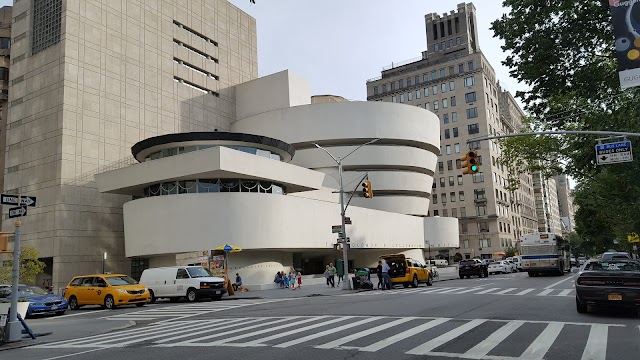 Musée Solomon R. Guggenheim
1071 5th Ave, New York, NY 10128, États-Unis
Ajouté par7833 utilisateurs
Musée Solomon R. Guggenheim
1071 5th Ave, New York, NY 10128, États-Unis
Ajouté par7833 utilisateurs
 Bluestone Lane Upper East Side Café
1085 5th Ave, New York, NY 10128, USA
Ajouté par1600 utilisateurs
Bluestone Lane Upper East Side Café
1085 5th Ave, New York, NY 10128, USA
Ajouté par1600 utilisateurs
 Cafe Sabarsky
1048 5th Ave, New York, NY 10028, États-Unis
Ajouté par775 utilisateurs
Cafe Sabarsky
1048 5th Ave, New York, NY 10028, États-Unis
Ajouté par775 utilisateurs
 Neue Galerie
1048 5th Ave, New York, NY 10028, États-Unis
Ajouté par1142 utilisateurs
Neue Galerie
1048 5th Ave, New York, NY 10028, États-Unis
Ajouté par1142 utilisateurs
 Bluestone Lane
2 E 90th St, New York, NY 10128, États-Unis
Ajouté par914 utilisateurs
Bluestone Lane
2 E 90th St, New York, NY 10128, États-Unis
Ajouté par914 utilisateurs
 Museum of the City of New York
1220 5th Ave, New York, NY 10029, États-Unis
Ajouté par878 utilisateurs
Museum of the City of New York
1220 5th Ave, New York, NY 10029, États-Unis
Ajouté par878 utilisateurs
 Cooper Hewitt Smithsonian Design Museum
2 E 91st St, New York, NY 10128, États-Unis
Ajouté par828 utilisateurs
Cooper Hewitt Smithsonian Design Museum
2 E 91st St, New York, NY 10128, États-Unis
Ajouté par828 utilisateurs
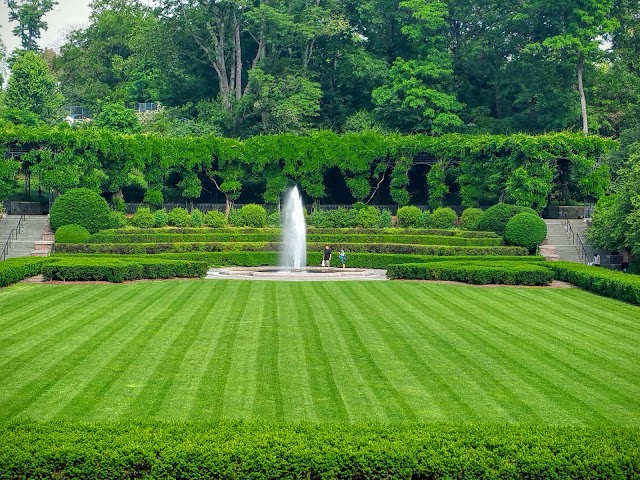 Conservatory Garden
E 104th Street, New York, NY 10029, États-Unis
Ajouté par440 utilisateurs
Conservatory Garden
E 104th Street, New York, NY 10029, États-Unis
Ajouté par440 utilisateurs
 Glace by Noglu
1266 Madison Ave, New York, NY 10128, États-Unis
Ajouté par554 utilisateurs
Glace by Noglu
1266 Madison Ave, New York, NY 10128, États-Unis
Ajouté par554 utilisateurs
"🏷 Musée · Gratuit · Jour de pluie 🆓 GRATUIT 🎟 Entrée / gratuité : Entree gratuite le samedi · Gratuit le samedi 📲 Réservation : Billet en ligne conseillé ⏱ Éviter la queue : Gratuit le samedi ; fermé samedi pour certains horaires, vérifier. • Gratuit le samedi (source : carrousel Prêt à décoller)."
@inesdcrs
"The largest museum of its kind outside of Israel, the Jewish Museum has over 30,000 items in its collection. Spanning Jewish ceremonial art, sculpture, archeological artifacts, and painting, the collection also includes famous works from the likes of Marc Chagall, Man Ray, and Eva Hesse. The museum is generally quiet and uncrowded, and houses an outpost of the much beloved downtown Jewish deli, Russ & Daughters."
@filippo.arbinolo
"Attention, ce n’est pas du tout un musée d’histoire. Le lieu met en avant des œuvres d’artistes. Seuls le rez-de-chaussée et le premier étage étaient ouverts (2 minuscules expositions au total) "
@chapardeur9
"attention; ce n’est pas un musée sur le judaisme mais un musée où tous les artistes sont juifs. vraiment beau bâtiment et la boutique est vraiment super si vous voulez des jolis objets de judaica"
@lucie7
"𝑳𝒐𝒊𝒏 𝒅𝒆𝒗𝒂𝒏𝒕 𝑻𝒆𝒍-𝑨𝒗𝒊𝒗 𝒐𝒖 𝑱𝒆́𝒓𝒖𝒔𝒂𝒍𝒆𝒎, 𝑵𝒆𝒘 𝒀𝒐𝒓𝒌 𝒂𝒃𝒓𝒊𝒕𝒆 𝒍𝒂 𝒑𝒍𝒖𝒔 𝒊𝒎𝒑𝒐𝒓𝒕𝒂𝒏𝒕𝒆 𝒄𝒐𝒎𝒎𝒖𝒏𝒂𝒖𝒕𝒆́ 𝒋𝒖𝒊𝒗𝒆 𝒂𝒖 𝒎𝒐𝒏𝒅𝒆, 𝒇𝒐𝒓𝒕𝒆 𝒅𝒆 𝒑𝒍𝒖𝒔 𝒅𝒆 1,5 𝒎𝒊𝒍𝒍𝒊𝒐𝒏𝒔 𝒅𝒆 𝒑𝒆𝒓𝒔𝒐𝒏𝒏𝒆𝒔. 𝑺𝒖𝒊𝒕𝒆 𝒂𝒖𝒙 𝒕𝒓𝒂𝒈𝒊𝒒𝒖𝒆𝒔 𝒆́𝒗𝒆́𝒏𝒆𝒎𝒆𝒏𝒕𝒔 𝒅𝒖 𝑿𝑰𝑿𝒆 𝒆𝒕 𝒔𝒖𝒓𝒕𝒐𝒖𝒕 𝒅𝒖 𝑿𝑿𝒆 𝒔𝒊𝒆̀𝒄𝒍𝒆, 𝒍𝒆𝒔 𝑬𝒕𝒂𝒕𝒔-𝑼𝒏𝒊𝒔 𝒐𝒏𝒕 𝒄𝒐𝒏𝒔𝒕𝒊𝒕𝒖𝒆́ 𝒍'𝒖𝒏𝒆 𝒅𝒆𝒔 𝒑𝒓𝒊𝒏𝒄𝒊𝒑𝒂𝒍𝒆𝒔 𝒕𝒆𝒓𝒓𝒆𝒔 𝒅𝒆 𝒓𝒆𝒇𝒖𝒈𝒆 𝒅𝒆𝒔 𝑱𝒖𝒊𝒇𝒔 𝒅'𝑬𝒖𝒓𝒐𝒑𝒆 𝒐𝒓𝒊𝒆𝒏𝒕𝒂𝒍𝒆 – 𝒒𝒖𝒊 𝒄𝒐𝒏𝒔𝒕𝒊𝒕𝒖𝒂𝒊𝒆𝒏𝒕 𝒅𝒆𝒑𝒖𝒊𝒔 𝒍𝒆 𝑴𝒐𝒚𝒆𝒏-𝑨̂𝒈𝒆 𝒍𝒂 𝒑𝒍𝒖𝒔 𝒊𝒎𝒑𝒐𝒓𝒕𝒂𝒏𝒕𝒆 𝒄𝒐𝒎𝒎𝒖𝒏𝒂𝒖𝒕𝒆́ 𝒋𝒖𝒊𝒗𝒆 𝒅𝒆 𝒍𝒂 𝑷𝒍𝒂𝒏𝒆̀𝒕𝒆 𝒆𝒕 𝒒𝒖𝒊 𝒓𝒆𝒈𝒓𝒐𝒖𝒑𝒂𝒊𝒆𝒏𝒕 𝒂𝒖 𝒅𝒆́𝒃𝒖𝒕 𝒅𝒆𝒔 𝒂𝒏𝒏𝒆́𝒆𝒔 1940 𝒑𝒓𝒆̀𝒔 𝒅𝒆 60% 𝒅𝒆𝒔 𝑱𝒖𝒊𝒇𝒔 𝒅𝒖 𝒎𝒐𝒏𝒅𝒆. 𝑳𝒆𝒔 𝑬𝒕𝒂𝒕𝒔-𝑼𝒏𝒊𝒔 𝒄𝒐𝒎𝒑𝒕𝒆𝒏𝒕 𝒂𝒖𝒋𝒐𝒖𝒓𝒅'𝒉𝒖𝒊 𝒑𝒍𝒖𝒔 𝒅𝒆 7 𝒎𝒊𝒍𝒍𝒊𝒐𝒏𝒔 𝒅'𝒉𝒂𝒃𝒊𝒕𝒂𝒏𝒕𝒔 𝒅𝒆 𝒄𝒐𝒏𝒇𝒆𝒔𝒔𝒊𝒐𝒏 𝒋𝒖𝒊𝒗𝒆 (𝒅𝒐𝒏𝒕 𝒖𝒏 𝒒𝒖𝒂𝒓𝒕 𝒓𝒆́𝒔𝒊𝒅𝒆𝒏𝒕 𝒂̀ 𝑵𝒆𝒘 𝒀𝒐𝒓𝒌 !), 𝒆𝒕 𝒄𝒐𝒏𝒔𝒕𝒊𝒕𝒖𝒂𝒊𝒕 𝒍𝒆 𝒑𝒓𝒆𝒎𝒊𝒆𝒓 𝒑𝒂𝒚𝒔 𝒋𝒖𝒊𝒇 𝒅𝒖 𝒎𝒐𝒏𝒅𝒆 𝒋𝒖𝒔𝒒𝒖'𝒊𝒍 𝒚 𝒂̀ 𝒑𝒆𝒖 𝒅𝒆 𝒕𝒆𝒎𝒑𝒔 (𝒍𝒂 𝒑𝒍𝒂𝒄𝒆 𝒆𝒔𝒕 𝒂𝒖𝒋𝒐𝒖𝒓𝒅'𝒉𝒖𝒊 𝒐𝒄𝒄𝒖𝒑𝒆́𝒆 𝒑𝒂𝒓 𝑰𝒔𝒓𝒂𝒆̈𝒍). 𝑳'𝒉𝒊𝒔𝒕𝒐𝒊𝒓𝒆 𝒅𝒆 𝑵𝒆𝒘 𝒀𝒐𝒓𝒌 𝒆𝒔𝒕 𝒆́𝒕𝒓𝒐𝒊𝒕𝒆𝒎𝒆𝒏𝒕 𝒍𝒊𝒆́𝒆 𝒂̀ 𝒄𝒆𝒍𝒍𝒆 𝒅𝒆 𝒔𝒂 𝒄𝒐𝒎𝒎𝒖𝒏𝒂𝒖𝒕𝒆́ 𝒋𝒖𝒊𝒗𝒆 (𝒆𝒕 𝒎𝒂𝒓𝒓𝒂𝒏𝒆), 𝒂𝒓𝒓𝒊𝒗𝒆́𝒆 𝒅𝒆̀𝒔 𝒍𝒆 𝒕𝒆𝒎𝒑𝒔 𝒅𝒆 𝒍'𝒊𝒎𝒑𝒍𝒂𝒏𝒕𝒂𝒕𝒊𝒐𝒏 𝒅𝒆𝒔 𝒄𝒐𝒍𝒐𝒏𝒔 𝒉𝒐𝒍𝒍𝒂𝒏𝒅𝒂𝒊𝒔 𝒆𝒕 𝒅𝒆 𝒍𝒂 𝒇𝒐𝒏𝒅𝒂𝒕𝒊𝒐𝒏 𝒅𝒆 𝒄𝒆𝒍𝒍𝒆 𝒒𝒖𝒊 𝒆́𝒕𝒂𝒊𝒕 𝒂𝒍𝒐𝒓𝒔 𝒃𝒂𝒑𝒕𝒊𝒔𝒆́𝒆 𝒍𝒂 "𝑵𝒐𝒖𝒗𝒆𝒍𝒍𝒆-𝑨𝒎𝒔𝒕𝒆𝒓𝒅𝒂𝒎", 𝒆𝒕 𝒄𝒐𝒏𝒔𝒊𝒅𝒆́𝒓𝒆́𝒆 𝒑𝒂𝒓 𝒍𝒆𝒔 𝑱𝒖𝒊𝒇𝒔 𝒆́𝒎𝒊𝒈𝒓𝒆́𝒔 𝒂𝒖 𝑵𝒐𝒖𝒗𝒆𝒂𝒖 𝑴𝒐𝒏𝒅𝒆 𝒄𝒐𝒎𝒎𝒆 𝒍'𝒖𝒏𝒆 𝒅𝒆𝒔 "𝑵𝒐𝒖𝒗𝒆𝒍𝒍𝒆-𝑱𝒆́𝒓𝒖𝒔𝒂𝒍𝒆𝒎". Créé en 1904, le musée juif de New York (Jewish Museum) a été fondé lorsque le Jewish Theological Seminary of America a reçu un don de vingt-six objets d'art de cérémonie du juge Mayer Sulzberger. En 1944, Frieda Schiff Warburg, veuve du philanthrope Felix Warburg, a fait don de l'hôtel particulier familial, situé sur la 5e Avenue et la 92e Rue à New York, pour en faire un musée ouvert au public en mai 1947. Il est installé de l'ancien hôtel particulier new-yorkais de la famille Warburg, une dynastie juive de financiers et de banquiers d'origine italienne et allemande. Les Warburgs sont considérés, avec quelques autres familles (Weirtheimer, Cahen d'Anvers, Goldsmith, Rothschild, etc.) comme faisant partie des "grandes dynasties juives" du capitalisme européen. Le musée détient une collection de 28.000 objets, dont des peintures, sculptures, objets archéologiques, et de nombreux autres pièces importantes pour la préservation de l'histoire et de la culture juive. Il possède la plus grande collection d'art et d'objets de culte juif des États-Unis. Le musée abrite la sculpture de George Segal The Holocaust. 𝐍𝐞𝐰 𝐘𝐨𝐫𝐤, 𝐥𝐚 𝐩𝐫𝐞𝐦𝐢𝐞̀𝐫𝐞 𝐯𝐢𝐥𝐥𝐞 𝐣𝐮𝐢𝐯𝐞 𝐝𝐮 𝐦𝐨𝐧𝐝𝐞 (𝒆𝒙𝒕𝒓𝒂𝒊𝒕 𝒅'𝒖𝒏 𝒆𝒏𝒕𝒓𝒆𝒕𝒊𝒆𝒏 𝒅𝒐𝒏𝒏𝒆́ 𝒑𝒂𝒓 𝑺𝒆𝒓𝒈𝒆 𝑱𝒖𝒍𝒚 𝒂𝒖 𝒎𝒆́𝒅𝒊𝒂 𝑻𝒉𝒆 𝑻𝒊𝒎𝒆𝒔 𝒐𝒇 𝑰𝒔𝒓𝒂𝒆̈𝒍) « 𝑩𝒂𝒃𝒆𝒍 𝒆𝒔𝒕 𝒍’𝒂𝒖𝒕𝒓𝒆 𝒏𝒐𝒎 𝒅𝒆 𝑵𝒆𝒘 𝒀𝒐𝒓𝒌… 𝐴𝑣𝑒𝑐 1,8 𝑚𝑖𝑙𝑙𝑖𝑜𝑛 𝑑𝑒 𝑗𝑢𝑖𝑓𝑠, 𝑁𝑒𝑤 𝑌𝑜𝑟𝑘 𝑒𝑠𝑡 𝑙𝑎 𝑝𝑟𝑒𝑚𝑖𝑒̀𝑟𝑒 𝑣𝑖𝑙𝑙𝑒 𝑗𝑢𝑖𝑣𝑒 𝑑𝑢 𝑚𝑜𝑛𝑑𝑒. 𝐼𝑙 𝑦 𝑎 𝑎𝑢𝑗𝑜𝑢𝑟𝑑’ℎ𝑢𝑖 6 𝑚𝑖𝑙𝑙𝑖𝑜𝑛𝑠 𝑑𝑒 𝑗𝑢𝑖𝑓𝑠 𝑎𝑢𝑥 𝐸𝑡𝑎𝑡𝑠-𝑈𝑛𝑖𝑠, 𝑐𝑒 𝑞𝑢𝑖 𝑒𝑛 𝑎 𝑓𝑎𝑖𝑡 𝑙𝑜𝑛𝑔𝑡𝑒𝑚𝑝𝑠 𝑙𝑒 « 𝑝𝑟𝑒𝑚𝑖𝑒𝑟 » 𝑝𝑎𝑦𝑠 𝑗𝑢𝑖𝑓. 𝑵𝒐𝒕𝒐𝒏𝒔 𝒒𝒖’𝑰𝒔𝒓𝒂𝒆̈𝒍 𝒆𝒔𝒕, 𝒅𝒆𝒑𝒖𝒊𝒔 𝒑𝒍𝒖𝒔 𝒅𝒆 10 𝒂𝒏𝒔, 𝒍𝒂 𝒑𝒓𝒆𝒎𝒊𝒆̀𝒓𝒆 𝒄𝒐𝒎𝒎𝒖𝒏𝒂𝒖𝒕𝒆́ 𝒋𝒖𝒊𝒗𝒆 𝒅𝒖 𝒎𝒐𝒏𝒅𝒆 𝒂𝒗𝒆𝒄 𝒑𝒓𝒆̀𝒔 𝒅𝒆 7 𝒎𝒊𝒍𝒍𝒊𝒐𝒏𝒔 𝒅𝒆 𝒋𝒖𝒊𝒇𝒔 (𝒔𝒐𝒖𝒓𝒄𝒆𝒔 : 𝑶𝒇𝒇𝒊𝒄𝒆 𝑵𝒂𝒕𝒊𝒐𝒏𝒂𝒍 𝑰𝒔𝒓𝒂𝒆́𝒍𝒊𝒆𝒏 𝒅𝒆 𝑻𝒐𝒖𝒓𝒊𝒔𝒎𝒆). 𝑪𝒐𝒎𝒎𝒆𝒏𝒕 𝒆𝒙𝒑𝒍𝒊𝒒𝒖𝒆𝒓 𝒒𝒖𝒆 𝑵𝒆𝒘 𝒀𝒐𝒓𝒌 𝒆𝒔𝒕 𝒖𝒏𝒆 𝒗𝒊𝒍𝒍𝒆 𝒅’𝒆́𝒕𝒓𝒂𝒏𝒈𝒆𝒓𝒔 ? 𝑁𝑒𝑤 𝑌𝑜𝑟𝑘 𝑒𝑠𝑡 𝑐𝑜𝑛𝑠𝑡𝑖𝑡𝑢𝑒́ 𝑑𝑒 𝑝𝑙𝑢𝑠𝑖𝑒𝑢𝑟𝑠 𝑒́𝑙𝑒́𝑚𝑒𝑛𝑡𝑠. 𝐻𝑖𝑠𝑡𝑜𝑟𝑖𝑞𝑢𝑒𝑚𝑒𝑛𝑡, 𝑙𝑒𝑠 𝑁𝑒́𝑒𝑟𝑙𝑎𝑛𝑑𝑎𝑖𝑠 𝑜𝑛𝑡 𝑢𝑛 𝑟𝑜̂𝑙𝑒 𝑜𝑟𝑖𝑔𝑖𝑛𝑒𝑙 𝑒𝑠𝑠𝑒𝑛𝑡𝑖𝑒𝑙 𝑎̀ 𝑁𝑒𝑤 𝑌𝑜𝑟𝑘 𝑞𝑢𝑖 𝑎 𝑐𝑜𝑛𝑠𝑒𝑟𝑣𝑒́ 𝑐𝑒𝑡 𝐴𝐷𝑁. 𝐿𝑎 𝑝𝑟𝑒𝑚𝑖𝑒̀𝑟𝑒 𝑏𝑜𝑢𝑟𝑠𝑒 𝑑𝑢 𝑚𝑜𝑛𝑑𝑒 𝑎 𝑒́𝑡𝑒́ 𝑐𝑟𝑒́𝑒́𝑒 𝑎̀ 𝐴𝑚𝑠𝑡𝑒𝑟𝑑𝑎𝑚. 𝑇𝑜𝑢𝑡 𝑙𝑒 𝑚𝑜𝑛𝑑𝑒 𝑝𝑜𝑢𝑣𝑎𝑖𝑡 𝑠𝑜𝑢𝑠𝑐𝑟𝑖𝑟𝑒, 𝑦 𝑐𝑜𝑚𝑝𝑟𝑖𝑠 𝑑𝑒𝑠 𝑣𝑎𝑙𝑒𝑡𝑠 𝑑𝑒 𝑐ℎ𝑎𝑚𝑏𝑟𝑒 𝑜𝑢 𝑑𝑒𝑠 𝑏𝑜𝑛𝑛𝑒𝑠. 𝐷𝑒 𝑙𝑎 𝑚𝑒̂𝑚𝑒 𝑓𝑎𝑐̧𝑜𝑛, 𝑐𝑒𝑢𝑥 𝑞𝑢𝑖 𝑎𝑟𝑟𝑖𝑣𝑎𝑖𝑒𝑛𝑡 𝑎̀ 𝑁𝑒𝑤 𝑌𝑜𝑟𝑘 𝑎̀ 𝑐𝑒𝑡𝑡𝑒 𝑒́𝑝𝑜𝑞𝑢𝑒 𝑛’𝑎𝑣𝑎𝑖𝑒𝑛𝑡 𝑟𝑖𝑒𝑛 𝑎̀ 𝑣𝑜𝑖𝑟 𝑎𝑣𝑒𝑐 𝑐𝑒𝑢𝑥 𝑑𝑢 𝑀𝑎𝑦𝑓𝑙𝑜𝑤𝑒𝑟. 𝐼𝑙𝑠 𝑎𝑣𝑎𝑖𝑒𝑛𝑡 𝑑𝑒́𝑏𝑎𝑟𝑞𝑢𝑒́ 𝑝𝑜𝑢𝑟 « 𝑒𝑥𝑝𝑙𝑜𝑖𝑡𝑒𝑟 𝑙𝑒 𝑚𝑜𝑛𝑑𝑒 », 𝑠𝑒𝑙𝑜𝑛 𝑙𝑎 𝑓𝑜𝑟𝑚𝑢𝑙𝑒 𝑞𝑢𝑖 𝑓𝑖𝑔𝑢𝑟𝑒 𝑑𝑎𝑛𝑠 𝑙𝑒 𝑡𝑟𝑎𝑖𝑡𝑒́ 𝑑𝑒 𝐵𝑟𝑒𝑑𝑎 (𝑛𝑑𝑙𝑟: 𝑇𝑟𝑎𝑖𝑡𝑒́ 𝑐𝑜𝑛𝑐𝑙𝑢 𝑒𝑛𝑡𝑟𝑒 𝑙’𝐴𝑛𝑔𝑙𝑒𝑡𝑒𝑟𝑟𝑒, 𝑙𝑒𝑠 𝑃𝑟𝑜𝑣𝑖𝑛𝑐𝑒𝑠-𝑈𝑛𝑖𝑒𝑠, 𝑙𝑎 𝐹𝑟𝑎𝑛𝑐𝑒 𝑒𝑡 𝑙𝑒 𝐷𝑎𝑛𝑒𝑚𝑎𝑟𝑘, 𝑞𝑢𝑖 𝑚𝑖𝑡 𝑓𝑖𝑛 𝑎̀ 𝑙𝑎 𝑠𝑒𝑐𝑜𝑛𝑑𝑒 𝑔𝑢𝑒𝑟𝑟𝑒 𝑎𝑛𝑔𝑙𝑜-ℎ𝑜𝑙𝑙𝑎𝑛𝑑𝑎𝑖𝑠𝑒 (1665-1667) 𝑒𝑡 𝑐𝑜𝑛𝑠𝑒𝑟𝑣𝑎𝑖𝑡 𝑎̀ 𝑙’𝐴𝑛𝑔𝑙𝑒𝑡𝑒𝑟𝑟𝑒 𝑙𝑎 𝑁𝑜𝑢𝑣𝑒𝑙𝑙𝑒-𝐴𝑚𝑠𝑡𝑒𝑟𝑑𝑎𝑚/𝑁𝑒𝑤 𝑌𝑜𝑟𝑘). 𝐶’𝑒́𝑡𝑎𝑖𝑡 𝑑𝑒́𝑗𝑎̀ 𝑡𝑟𝑒̀𝑠 « 𝑏𝑢𝑠𝑖𝑛𝑒𝑠𝑠 » 𝑒𝑡 𝑐’𝑒𝑠𝑡 𝑑𝑒𝑣𝑒𝑛𝑢 𝑢𝑛 𝑟𝑒𝑓𝑢𝑔𝑒. 𝐿𝑒𝑠 𝐽𝑢𝑖𝑓𝑠 𝑠𝑜𝑛𝑡 𝑎𝑟𝑟𝑖𝑣𝑒́𝑠 𝑡𝑟𝑒̀𝑠 𝑡𝑜̂𝑡. 𝑳’𝒖𝒏𝒆 𝒅𝒆𝒔 𝒆𝒏𝒕𝒓𝒆́𝒆𝒔 𝒅𝒖 𝒅𝒊𝒄𝒕𝒊𝒐𝒏𝒏𝒂𝒊𝒓𝒆 𝒔’𝒊𝒏𝒕𝒊𝒕𝒖𝒍𝒆 « 𝑱𝒖𝒊𝒇, 𝑳𝒆 𝒑𝒓𝒆𝒎𝒊𝒆𝒓 ». 𝑸𝒖𝒊 𝒆𝒔𝒕 𝒄𝒆 𝒑𝒆𝒓𝒔𝒐𝒏𝒏𝒂𝒈𝒆 𝒂𝒖 𝒏𝒐𝒎 𝒔𝒆𝒎𝒃𝒍𝒂𝒏𝒕 𝒕𝒐𝒖𝒕 𝒅𝒓𝒐𝒊𝒕 𝒔𝒐𝒓𝒕𝒊 𝒅𝒆 𝒍𝒂 𝒔𝒆́𝒓𝒊𝒆 𝑳𝒆𝒔 𝑺𝒊𝒎𝒑𝒔𝒐𝒏𝒔 𝒅𝒐𝒏𝒕 𝒖𝒏 𝒂𝒓𝒕𝒊𝒄𝒍𝒆 𝒅𝒆 𝑻𝒊𝒎𝒆𝒔 𝒐𝒇 𝑰𝒔𝒓𝒂𝒆̈𝒍 𝒔𝒐𝒖𝒍𝒊𝒈𝒏𝒂𝒊𝒕 𝒍𝒆 𝒕𝒓𝒐𝒑𝒊𝒔𝒎𝒆 𝒋𝒖𝒊𝒇 ? 𝐽𝑎𝑐𝑜𝑏 𝐵𝑎𝑟𝑠𝑖𝑚𝑠𝑜𝑛 𝑒𝑠𝑡 𝑢𝑛 𝑎𝑔𝑒𝑛𝑡 𝑑𝑒 𝑙𝑎 𝐶𝑜𝑚𝑝𝑎𝑔𝑛𝑖𝑒 𝑑𝑒𝑠 𝐼𝑛𝑑𝑒𝑠 𝑜𝑐𝑐𝑖𝑑𝑒𝑛𝑡𝑎𝑙𝑒𝑠, 𝑒𝑛𝑣𝑜𝑦𝑒́ 𝑎̀ 𝑙𝑎 𝑁𝑜𝑢𝑣𝑒𝑙𝑙𝑒 𝐴𝑚𝑠𝑡𝑒𝑟𝑑𝑎𝑚 𝑎𝑙𝑜𝑟𝑠 𝑞𝑢𝑒 𝑙𝑒𝑠 𝑃𝑜𝑟𝑡𝑢𝑔𝑎𝑖𝑠 𝑜𝑛𝑡 𝑟𝑒𝑝𝑟𝑖𝑠 𝑙𝑒 𝑐𝑜𝑚𝑝𝑡𝑜𝑖𝑟 𝑑𝑒 𝑅𝑒𝑐𝑖𝑓𝑒 𝑜𝑢̀ 𝑣𝑖𝑡 𝑢𝑛𝑒 𝑐𝑜𝑚𝑚𝑢𝑛𝑎𝑢𝑡𝑒́ 𝑑𝑒 𝑚𝑎𝑟𝑟𝑎𝑛𝑒𝑠, 𝑗𝑢𝑠𝑞𝑢’𝑖𝑐𝑖 𝑝𝑟𝑜𝑡𝑒́𝑔𝑒́𝑒 𝑝𝑎𝑟 𝑙𝑒𝑠 𝑎𝑢𝑡𝑜𝑟𝑖𝑡𝑒́𝑠 ℎ𝑜𝑙𝑙𝑎𝑛𝑑𝑎𝑖𝑠𝑒𝑠. 𝑁𝑜𝑢𝑠 𝑠𝑜𝑚𝑚𝑒𝑠 𝑒𝑛 1654 : 𝑙𝑎 𝑚𝑖𝑠𝑠𝑖𝑜𝑛 𝑑𝑒 𝐵𝑎𝑟𝑠𝑖𝑚𝑠𝑜𝑛, 𝑞𝑢𝑖 𝑒𝑠𝑡 𝑑𝑒 𝑝𝑟𝑒́𝑝𝑎𝑟𝑒𝑟 𝑙𝑒𝑠 𝑎𝑢𝑡𝑜𝑟𝑖𝑡𝑒́𝑠 𝑑𝑒 𝑙𝑎 𝑐𝑜𝑙𝑜𝑛𝑖𝑒 𝑎̀ 𝑎𝑐𝑐𝑢𝑒𝑖𝑙𝑙𝑖𝑟 𝑐𝑒𝑠 𝑗𝑢𝑖𝑓𝑠 𝑑𝑒 𝑅𝑒𝑐𝑖𝑓𝑒, 𝑒𝑠𝑡 𝑒𝑛𝑡𝑟𝑎𝑣𝑒́𝑒 𝑝𝑎𝑟 𝑆𝑡𝑢𝑦𝑣𝑒𝑠𝑎𝑛𝑡, 𝑔𝑜𝑢𝑣𝑒𝑟𝑛𝑒𝑢𝑟 𝑎𝑛𝑡𝑖𝑠𝑒́𝑚𝑖𝑡𝑒 𝑒𝑡 𝑖𝑛𝑡𝑜𝑙𝑒́𝑟𝑎𝑛𝑡 𝑞𝑢𝑖 𝑛𝑒 𝑣𝑒𝑢𝑡 𝑝𝑎𝑠 𝑒𝑛𝑡𝑒𝑛𝑑𝑟𝑒 𝑝𝑎𝑟𝑙𝑒𝑟 𝑑𝑒 𝑐𝑒𝑠 𝑚𝑖𝑔𝑟𝑎𝑛𝑡𝑠. 𝑈𝑛 𝑑𝑒𝑢𝑥𝑖𝑒̀𝑚𝑒 𝑒́𝑣𝑒́𝑛𝑒𝑚𝑒𝑛𝑡 𝑖𝑛𝑡𝑒𝑟𝑣𝑖𝑒𝑛𝑡. 𝐿𝑒𝑠 𝑃𝑜𝑟𝑡𝑢𝑔𝑎𝑖𝑠 𝑎𝑦𝑎𝑛𝑡 𝑟𝑒𝑠𝑡𝑎𝑢𝑟𝑒́ 𝑙’𝐼𝑛𝑞𝑢𝑖𝑠𝑖𝑡𝑖𝑜𝑛, 𝑙𝑒𝑠 𝑗𝑢𝑖𝑓𝑠 𝑑𝑒 𝑅𝑒𝑐𝑖𝑓𝑒 𝑜𝑛𝑡 𝑝𝑟𝑖𝑠 𝑙𝑎 𝑚𝑒𝑟 𝑝𝑜𝑢𝑟 𝑟𝑒𝑗𝑜𝑖𝑛𝑑𝑟𝑒 𝑙’𝐸𝑢𝑟𝑜𝑝𝑒 𝑚𝑎𝑖𝑠 𝑙𝑒𝑢𝑟 𝑛𝑎𝑣𝑖𝑟𝑒 𝑒𝑠𝑡 𝑎𝑡𝑡𝑎𝑞𝑢𝑒́ 𝑝𝑎𝑟 𝑑𝑒𝑠 𝑝𝑖𝑟𝑎𝑡𝑒𝑠 𝑒𝑠𝑝𝑎𝑔𝑛𝑜𝑙𝑠 𝑞𝑢𝑖 𝑝𝑎𝑠𝑠𝑒𝑛𝑡 𝑢𝑛𝑒 𝑏𝑜𝑛𝑛𝑒 𝑝𝑎𝑟𝑡𝑖𝑒 𝑑𝑒𝑠 𝑝𝑎𝑠𝑠𝑎𝑔𝑒𝑟𝑠 𝑝𝑎𝑟 𝑑𝑒𝑠𝑠𝑢𝑠 𝑏𝑜𝑟𝑑 𝑎𝑣𝑎𝑛𝑡 𝑞𝑢’𝑢𝑛 𝑐𝑜𝑟𝑠𝑎𝑖𝑟𝑒 𝑓𝑟𝑎𝑛𝑐̧𝑎𝑖𝑠 𝑙𝑒𝑠 𝑖𝑛𝑡𝑒𝑟𝑐𝑒𝑝𝑡𝑒, 𝑠’𝑒𝑚𝑝𝑎𝑟𝑒 𝑑𝑒 𝑙𝑎 𝑐𝑎𝑟𝑔𝑎𝑖𝑠𝑜𝑛 𝑒𝑡 𝑙𝑒𝑠 𝑑𝑒́𝑝𝑜𝑠𝑒 𝑎̀ 𝑁𝑒𝑤 𝐴𝑚𝑠𝑡𝑒𝑟𝑑𝑎𝑚. 𝐼𝑙𝑠 𝑦 𝑎𝑟𝑟𝑖𝑣𝑒𝑛𝑡 𝑒𝑛 𝑓𝑎𝑖𝑡 𝑝𝑒𝑢 𝑑𝑒 𝑡𝑒𝑚𝑝𝑠 𝑎𝑝𝑟𝑒̀𝑠 𝐵𝑎𝑟𝑠𝑖𝑚𝑠𝑜𝑛. 𝐿’𝑎𝑛𝑛𝑒́𝑒 𝑠𝑢𝑖𝑣𝑎𝑛𝑡𝑒, 𝑑𝑒𝑠 𝐽𝑢𝑖𝑓𝑠 ℎ𝑜𝑙𝑙𝑎𝑛𝑑𝑎𝑖𝑠 𝑒𝑛𝑣𝑜𝑦𝑒́𝑠 𝑝𝑎𝑟 𝑙𝑎 𝐶𝑜𝑚𝑝𝑎𝑔𝑛𝑖𝑒 𝑑𝑒𝑠 𝐼𝑛𝑑𝑒𝑠 𝑑𝑒́𝑏𝑎𝑟𝑞𝑢𝑒𝑛𝑡 𝑎̀ 𝑙𝑒𝑢𝑟 𝑡𝑜𝑢𝑟 𝑒𝑡 𝑜𝑏𝑡𝑖𝑒𝑛𝑛𝑒𝑛𝑡 𝑓𝑖𝑛𝑎𝑙𝑒𝑚𝑒𝑛𝑡 𝑙𝑒 𝑑𝑟𝑜𝑖𝑡 𝑑𝑒 𝑓𝑎𝑖𝑟𝑒 𝑑𝑢 𝑐𝑜𝑚𝑚𝑒𝑟𝑐𝑒. 𝑃𝑙𝑢𝑠𝑖𝑒𝑢𝑟𝑠 𝑚𝑖𝑔𝑟𝑎𝑡𝑖𝑜𝑛𝑠 𝑖𝑚𝑝𝑜𝑟𝑡𝑎𝑛𝑡𝑒𝑠 𝑜𝑛𝑡 𝑠𝑢𝑖𝑣𝑖. 𝑳𝒆𝒔 𝑱𝒖𝒊𝒇𝒔, 𝒆́𝒄𝒓𝒊𝒗𝒆𝒛-𝒗𝒐𝒖𝒔, « 𝒄𝒐𝒎𝒑𝒕𝒆𝒏𝒕 𝒑𝒂𝒓𝒎𝒊 𝒍𝒆𝒔 𝒊𝒏𝒗𝒆𝒏𝒕𝒆𝒖𝒓𝒔 𝒅𝒆 𝑵𝒆𝒘 𝒀𝒐𝒓𝒌 ». 𝑷𝒐𝒖𝒗𝒐𝒏𝒔-𝒏𝒐𝒖𝒔 𝒏𝒐𝒖𝒔 𝒂𝒓𝒓𝒆̂𝒕𝒆𝒓 𝒔𝒖𝒓 𝒍’𝒆𝒙𝒑𝒓𝒆𝒔𝒔𝒊𝒐𝒏 « 𝒎𝒆𝒍𝒕𝒊𝒏𝒈-𝒑𝒐𝒕 » 𝒂𝒖𝒒𝒖𝒆𝒍 𝒊𝒍𝒔 𝒐𝒏𝒕 𝒂𝒄𝒕𝒊𝒗𝒆𝒎𝒆𝒏𝒕 𝒑𝒓𝒊𝒔 𝒑𝒂𝒓𝒕 ? 𝐶’𝑒𝑠𝑡 𝑢𝑛𝑒 𝑓𝑜𝑟𝑚𝑢𝑙𝑒 𝑞𝑢𝑒 𝑙’𝑜𝑛 𝑑𝑜𝑖𝑡 𝑎̀ 𝑢𝑛 𝑗𝑢𝑖𝑓 𝑏𝑟𝑖𝑡𝑎𝑛𝑛𝑖𝑞𝑢𝑒, 𝐼𝑠𝑟𝑎𝑒𝑙 𝑍𝑎𝑛𝑔𝑤𝑖𝑙𝑙, 𝑙’𝑎𝑢𝑡𝑒𝑢𝑟 𝑑𝑒 𝑟𝑜𝑚𝑎𝑛𝑠 𝑒𝑡 𝑑𝑒 𝑝𝑖𝑒̀𝑐𝑒𝑠 𝑑𝑒 𝑡ℎ𝑒́𝑎̂𝑡𝑟𝑒, 𝑞𝑢𝑖 𝑎𝑣𝑎𝑖𝑡 𝑝𝑎𝑟𝑡𝑖𝑐𝑖𝑝𝑒́ 𝑑𝑒 𝑚𝑎𝑛𝑖𝑒̀𝑟𝑒 𝑎𝑐𝑡𝑖𝑣𝑒 𝑎𝑢 𝑚𝑜𝑢𝑣𝑒𝑚𝑒𝑛𝑡 𝑠𝑖𝑜𝑛𝑖𝑠𝑡𝑒 𝑛𝑎𝑖𝑠𝑠𝑎𝑛𝑡. 𝐼𝑙 𝑚𝑒 𝑠𝑒𝑚𝑏𝑙𝑒 𝑞𝑢𝑒 𝑠𝑢𝑟 𝑙𝑒 𝑙𝑜𝑛𝑔-𝑡𝑒𝑟𝑚𝑒, 𝑠𝑜𝑛 𝑖𝑚𝑎𝑔𝑒 𝑑𝑢 « 𝑐𝑟𝑒𝑢𝑠𝑒𝑡 », 𝑑𝑒 𝑙𝑎 « 𝑚𝑎𝑟𝑚𝑖𝑡𝑒 » 𝑎 𝑝𝑟𝑜𝑢𝑣𝑒́ 𝑠𝑎 𝑣𝑒́𝑟𝑎𝑐𝑖𝑡𝑒́. 𝐽𝑒 𝑟𝑒𝑝𝑟𝑒𝑛𝑑𝑠 𝑑𝑎𝑛𝑠 𝑙𝑒 𝑙𝑖𝑣𝑟𝑒 𝑢𝑛𝑒 𝑝ℎ𝑟𝑎𝑠𝑒 𝑒𝑥𝑡𝑟𝑎𝑖𝑡𝑒 𝑑’𝑢𝑛 𝑒𝑛𝑡𝑟𝑒𝑡𝑖𝑒𝑛 𝑠𝑢𝑟 𝑁𝑒𝑤 𝑌𝑜𝑟𝑘 𝑎𝑐𝑐𝑜𝑟𝑑𝑒́ 𝑒𝑛 2013 𝑝𝑎𝑟 𝑃𝑎𝑢𝑙 𝐴𝑢𝑠𝑡𝑒𝑟 𝑎𝑢 𝑁𝑜𝑢𝑣𝑒𝑙 𝑂𝑏𝑠𝑒𝑟𝑣𝑎𝑡𝑒𝑢𝑟. 𝐽𝑒 𝑙𝑎 𝑡𝑟𝑜𝑢𝑣𝑒 𝑡𝑟𝑒̀𝑠 𝑟𝑒𝑝𝑟𝑒́𝑠𝑒𝑛𝑡𝑎𝑡𝑖𝑣𝑒 : « 𝐶’𝑒𝑠𝑡 𝑙𝑎 𝑣𝑖𝑙𝑙𝑒 𝑙𝑎 𝑝𝑙𝑢𝑠 𝑑𝑒́𝑚𝑜𝑐𝑟𝑎𝑡𝑖𝑞𝑢𝑒 𝑑𝑒𝑠 𝐸𝑡𝑎𝑡𝑠-𝑈𝑛𝑖𝑠, 𝑔𝑟𝑎̂𝑐𝑒 𝑎̀ 𝑠𝑎 𝑑𝑖𝑣𝑒𝑟𝑠𝑖𝑡𝑒́ 𝑒𝑡ℎ𝑛𝑖𝑞𝑢𝑒 𝑒𝑡 𝑟𝑒𝑙𝑖𝑔𝑖𝑒𝑢𝑠𝑒… 𝑁𝑜𝑢𝑠 𝑎𝑣𝑜𝑛𝑠 𝑒́𝑡𝑒́ 𝑜𝑏𝑙𝑖𝑔𝑒́𝑠 𝑑𝑒 𝑣𝑖𝑣𝑟𝑒 𝑒𝑛𝑠𝑒𝑚𝑏𝑙𝑒 ». 𝐷𝑒̀𝑠 𝑙𝑎 𝑓𝑖𝑛 𝑑𝑢 19𝑒 𝑠𝑖𝑒̀𝑐𝑙𝑒, 𝑑𝑒𝑠 𝑠ℎ𝑡𝑒𝑡𝑙𝑠 𝑒𝑛𝑡𝑖𝑒𝑟𝑠 𝑚𝑖𝑔𝑟𝑒𝑛𝑡 𝑣𝑒𝑟𝑠 𝑙𝑒𝑠 𝐸𝑡𝑎𝑡𝑠-𝑈𝑛𝑖𝑠. 𝑃𝑎𝑢𝑙 𝐴𝑢𝑠𝑡𝑒𝑟, 𝑞𝑢𝑒 𝑣𝑜𝑢𝑠 𝑐𝑖𝑡𝑖𝑒𝑧 𝑝𝑟𝑒́𝑐𝑒́𝑑𝑒𝑚𝑚𝑒𝑛𝑡, 𝑒𝑠𝑡 𝑝𝑟𝑒́𝑠𝑒𝑛𝑡 𝑑𝑎𝑛𝑠 𝑣𝑜𝑡𝑟𝑒 𝑑𝑖𝑐𝑡𝑖𝑜𝑛𝑛𝑎𝑖𝑟𝑒. 𝐷𝑎𝑛𝑠 𝑠𝑜𝑛 𝑑𝑒𝑟𝑛𝑖𝑒𝑟 𝑟𝑜𝑚𝑎𝑛 4321 (𝐴𝑐𝑡𝑒𝑠 𝑆𝑢𝑑, 2018), 𝑙𝑒 « 𝑚𝑎𝑖̂𝑡𝑟𝑒 𝑑𝑒 𝐵𝑟𝑜𝑜𝑘𝑙𝑦𝑛 » 𝑖𝑛𝑣𝑒𝑛𝑡𝑒 𝑞𝑢𝑎𝑡𝑟𝑒 𝑣𝑖𝑒𝑠 𝑎̀ 𝑠𝑜𝑛 𝑝𝑒𝑟𝑠𝑜𝑛𝑛𝑎𝑔𝑒 𝐴𝑟𝑐ℎ𝑖𝑒 𝐹𝑒𝑟𝑔𝑢𝑠𝑜𝑛 𝑑𝑜𝑛𝑡 𝑖𝑙 𝑛𝑜𝑢𝑠 𝑎𝑝𝑝𝑟𝑒𝑛𝑑 𝑞𝑢𝑒 𝑙𝑒 𝑔𝑟𝑎𝑛𝑑-𝑝𝑒̀𝑟𝑒, 𝑝𝑎𝑟𝑡𝑖 𝑑𝑒 𝑅𝑢𝑠𝑠𝑖𝑒, 𝑎 ℎ𝑒́𝑟𝑖𝑡𝑒́ 𝑑’𝑢𝑛 𝑛𝑜𝑚 𝑏𝑖𝑒𝑛 𝑎𝑚𝑒́𝑟𝑖𝑐𝑎𝑖𝑛 𝑒𝑛 𝑑𝑒́𝑏𝑎𝑟𝑞𝑢𝑎𝑛𝑡 𝑎̀ 𝐸𝑙𝑙𝑖𝑠 𝐼𝑠𝑙𝑎𝑛𝑑. 𝑂𝑛 𝑑𝑜𝑖𝑡 𝑎̀ 𝑙𝑎 𝑣𝑒́𝑟𝑖𝑡𝑒́ 𝑑𝑒 𝑟𝑎𝑝𝑝𝑒𝑙𝑒𝑟 𝑞𝑢𝑒 𝑐𝑒𝑡𝑡𝑒 ℎ𝑖𝑠𝑡𝑜𝑖𝑟𝑒 𝑒𝑠𝑡 𝑢𝑛𝑒 𝑣𝑖𝑒𝑖𝑙𝑙𝑒 𝑏𝑙𝑎𝑔𝑢𝑒 𝑗𝑢𝑖𝑣𝑒… 𝐶’𝑒𝑠𝑡 𝑢𝑛𝑒 𝑠𝑐𝑒̀𝑛𝑒 𝑝𝑟𝑒́𝑠𝑒𝑛𝑡𝑒 𝑑𝑎𝑛𝑠 𝑑𝑒 𝑛𝑜𝑚𝑏𝑟𝑒𝑢𝑥 𝑓𝑖𝑙𝑚𝑠 : 𝑎𝑣𝑎𝑛𝑡 𝑑𝑒 𝑑𝑒𝑣𝑒𝑛𝑖𝑟 𝑎𝑚𝑒́𝑟𝑖𝑐𝑎𝑖𝑛𝑠, 𝑙𝑒𝑠 𝑒𝑥𝑖𝑙𝑒́𝑠 𝑑𝑒𝑣𝑎𝑖𝑒𝑛𝑡 𝑝𝑎𝑠𝑠𝑒𝑟 𝑑𝑒𝑣𝑎𝑛𝑡 𝑙𝑒 𝑏𝑢𝑟𝑒𝑎𝑢 𝑓𝑒́𝑑𝑒́𝑟𝑎𝑙 𝑑𝑒 𝑙’𝐼𝑚𝑚𝑖𝑔𝑟𝑎𝑡𝑖𝑜𝑛 𝑜𝑢̀ 𝑖𝑙𝑠 𝑒́𝑡𝑎𝑖𝑒𝑛𝑡 𝑖𝑛𝑡𝑒𝑟𝑟𝑜𝑔𝑒́𝑠. 𝐷𝑎𝑛𝑠 𝑙𝑒 𝑙𝑖𝑣𝑟𝑒 𝑑𝑒 𝑃𝑎𝑢𝑙 𝐴𝑢𝑠𝑡𝑒𝑟, 𝑜𝑛 𝑎 𝑐𝑜𝑛𝑠𝑒𝑖𝑙𝑙𝑒́ 𝑎𝑢 𝑔𝑟𝑎𝑛𝑑-𝑝𝑒̀𝑟𝑒 𝑅𝑒𝑧𝑛𝑖𝑘𝑜𝑓𝑓 𝑑𝑒 𝑑𝑒́𝑐𝑙𝑎𝑟𝑒𝑟 𝑙𝑒 𝑝𝑎𝑡𝑟𝑜𝑛𝑦𝑚𝑒 𝑑𝑒 𝑅𝑜𝑐𝑘𝑒𝑓𝑒𝑙𝑙𝑒𝑟. 𝑄𝑢𝑎𝑛𝑑 𝑖𝑙 𝑎𝑟𝑟𝑖𝑣𝑒 𝑑𝑒𝑣𝑎𝑛𝑡 𝑙𝑒𝑠 𝑎𝑔𝑒𝑛𝑡𝑠, 𝑖𝑙 𝑜𝑢𝑏𝑙𝑖𝑒 𝑙𝑒 𝑛𝑜𝑚 𝑐𝑜𝑛𝑠𝑒𝑖𝑙𝑙𝑒́ 𝑒𝑡 𝑑𝑖𝑡, 𝑒𝑛 𝑦𝑖𝑑𝑑𝑖𝑠ℎ : « 𝐼𝑘ℎ ℎ𝑜𝑏 𝑓𝑎𝑟𝑔𝑒𝑠𝑠𝑒𝑛 », 𝐽’𝑎𝑖 𝑜𝑢𝑏𝑙𝑖𝑒́. 𝑉𝑜𝑖𝑙𝑎̀ 𝑐𝑜𝑚𝑚𝑒𝑛𝑡 𝑖𝑙 𝑑𝑒𝑣𝑖𝑒𝑛𝑡 𝐹𝑒𝑟𝑔𝑢𝑠𝑜𝑛. 𝑺𝒊 70 % 𝒅𝒆𝒔 𝒎𝒊𝒈𝒓𝒂𝒏𝒕𝒔 𝒋𝒖𝒊𝒇𝒔 𝒅𝒆́𝒄𝒍𝒂𝒓𝒂𝒊𝒆𝒏𝒕, 𝒅𝒊𝒕𝒆𝒔-𝒗𝒐𝒖𝒔, 𝒖𝒏𝒆 𝒄𝒐𝒎𝒑𝒆́𝒕𝒆𝒏𝒄𝒆 𝒑𝒓𝒐𝒇𝒆𝒔𝒔𝒊𝒐𝒏𝒏𝒆𝒍𝒍𝒆, 𝒒𝒖𝒆𝒍𝒔 𝒎𝒆́𝒕𝒊𝒆𝒓𝒔 𝒆𝒙𝒆𝒓𝒄̧𝒂𝒊𝒆𝒏𝒕-𝒊𝒍𝒔 𝒆𝒏 𝒂𝒓𝒓𝒊𝒗𝒂𝒏𝒕 𝒂̀ 𝑵𝒆𝒘 𝒀𝒐𝒓𝒌 ? 𝐹𝑖𝑛 𝑑𝑢 19𝑒, 𝑙𝑒 𝑚𝑒́𝑡𝑖𝑒𝑟 𝑑𝑜𝑚𝑖𝑛𝑎𝑛𝑡 𝑒́𝑡𝑎𝑖𝑡 𝑙𝑎 𝑐𝑜𝑛𝑓𝑒𝑐𝑡𝑖𝑜𝑛 : 𝑀𝑎𝑛ℎ𝑎𝑡𝑡𝑎𝑛 𝑒́𝑡𝑎𝑖𝑡 𝑢𝑛𝑒 𝑔𝑟𝑎𝑛𝑑𝑒 𝑣𝑖𝑙𝑙𝑒 𝑜𝑢𝑣𝑟𝑖𝑒̀𝑟𝑒 𝑑𝑜𝑛𝑡 𝑖𝑙 𝑓𝑎𝑙𝑙𝑎𝑖𝑡 ℎ𝑎𝑏𝑖𝑙𝑙𝑒𝑟 𝑙𝑒𝑠 ℎ𝑎𝑏𝑖𝑡𝑎𝑛𝑡𝑠. 𝐽𝑒 𝑟𝑎𝑐𝑜𝑛𝑡𝑒 𝑙𝑎 𝑔𝑟𝑒̀𝑣𝑒 𝑑𝑢 𝑡𝑒𝑥𝑡𝑖𝑙𝑒 𝑑𝑒 1909 𝑑𝑒́𝑐𝑙𝑒𝑛𝑐ℎ𝑒́𝑒 𝑝𝑎𝑟 𝑑𝑒𝑠 𝑜𝑢𝑣𝑟𝑖𝑒̀𝑟𝑒𝑠 𝑗𝑢𝑖𝑣𝑒𝑠. 𝐶𝑒 𝑞𝑢𝑖 𝑚’𝑎 𝑖𝑛𝑡𝑒́𝑟𝑒𝑠𝑠𝑒́ 𝑑𝑎𝑛𝑠 𝑐𝑒𝑡𝑡𝑒 ℎ𝑖𝑠𝑡𝑜𝑖𝑟𝑒, 𝑐’𝑒𝑠𝑡 𝑞𝑢𝑒 𝑙𝑎 𝑙𝑎𝑛𝑔𝑢𝑒 𝑐𝑜𝑚𝑚𝑢𝑛𝑒 𝑎̀ 𝑙𝑎 𝑝𝑙𝑢𝑝𝑎𝑟𝑡 𝑑𝑒 𝑐𝑒𝑠 𝑓𝑒𝑚𝑚𝑒𝑠 𝑒́𝑡𝑎𝑖𝑡 𝑙𝑒 𝑦𝑖𝑑𝑑𝑖𝑠ℎ, 𝑠𝑖 𝑏𝑖𝑒𝑛 𝑞𝑢𝑒 𝑙𝑒𝑠 𝑎𝑢𝑡𝑟𝑒𝑠, 𝑑𝑒 𝑗𝑒𝑢𝑛𝑒𝑠 𝑖𝑡𝑎𝑙𝑖𝑒𝑛𝑛𝑒𝑠 𝑖𝑠𝑠𝑢𝑒𝑠 𝑑𝑢 𝑠𝑢𝑑 𝑑𝑒 𝑙𝑎 𝑏𝑜𝑡𝑡𝑒, 𝑎𝑣𝑎𝑖𝑒𝑛𝑡 𝑎𝑝𝑝𝑟𝑖𝑠 𝑞𝑢𝑒𝑙𝑞𝑢𝑒𝑠 𝑚𝑜𝑡𝑠 𝑑𝑒 𝑦𝑖𝑑𝑑𝑖𝑠ℎ 𝑝𝑜𝑢𝑟 𝑐𝑜𝑚𝑝𝑟𝑒𝑛𝑑𝑟𝑒 𝑙𝑒𝑠 𝑚𝑒𝑛𝑒𝑢𝑠𝑒𝑠. 𝐶𝑒𝑙𝑙𝑒 𝑑𝑜𝑛𝑡 𝑗𝑒 𝑝𝑎𝑟𝑙𝑒 𝑑𝑎𝑛𝑠 𝑙𝑒 𝑙𝑖𝑣𝑟𝑒 𝑒𝑠𝑡 𝐶𝑙𝑎𝑟𝑎 𝐿𝑒𝑚𝑙𝑖𝑐ℎ, 𝑜𝑟𝑖𝑔𝑖𝑛𝑎𝑖𝑟𝑒 𝑑’𝑈𝑘𝑟𝑎𝑖𝑛𝑒. 𝐶𝑒𝑙𝑎 𝑝𝑎𝑟𝑎𝑖̂𝑡 𝑖𝑛𝑐𝑟𝑜𝑦𝑎𝑏𝑙𝑒 𝑚𝑎𝑖𝑠 𝑒𝑙𝑙𝑒 𝑎 𝑙𝑎𝑛𝑐𝑒́, 𝑑𝑎𝑛𝑠 𝑢𝑛 𝑑𝑖𝑠𝑐𝑜𝑢𝑟𝑠 𝑢𝑛𝑖𝑞𝑢𝑒𝑚𝑒𝑛𝑡 𝑒𝑛 𝑦𝑖𝑑𝑑𝑖𝑠ℎ, 𝑢𝑛𝑒 𝑔𝑟𝑒̀𝑣𝑒 𝑞𝑢𝑖 𝑎𝑙𝑙𝑎𝑖𝑡 𝑒̂𝑡𝑟𝑒 ℎ𝑖𝑠𝑡𝑜𝑟𝑖𝑞𝑢𝑒 𝑑𝑎𝑛𝑠 𝑙’ℎ𝑖𝑠𝑡𝑜𝑖𝑟𝑒 𝑑𝑒𝑠 𝐸𝑡𝑎𝑡𝑠-𝑈𝑛𝑖𝑠 ! 𝑨𝒖𝒕𝒓𝒆 𝒇𝒆𝒎𝒎𝒆 𝒋𝒖𝒊𝒗𝒆 : 𝑬𝒎𝒎𝒂 𝑳𝒂𝒛𝒂𝒓𝒖𝒔 𝒅𝒐𝒏𝒕 𝒗𝒐𝒖𝒔 𝒑𝒂𝒓𝒍𝒆𝒛 𝒅𝒂𝒏𝒔 𝒍𝒆 𝒑𝒂𝒓𝒂𝒈𝒓𝒂𝒑𝒉𝒆 « 𝑴𝒊𝒔𝒔 𝑳𝒊𝒃𝒆𝒓𝒕𝒚 »… 𝑆𝑜𝑛 𝑝𝑜𝑒̀𝑚𝑒 « 𝑇ℎ𝑒 𝑁𝑒𝑤 𝐶𝑜𝑙𝑜𝑠𝑠𝑒𝑠 » (𝐿𝑒 𝑛𝑜𝑢𝑣𝑒𝑎𝑢 𝐶𝑜𝑙𝑜𝑠𝑠𝑒) 𝑒𝑠𝑡 𝑔𝑟𝑎𝑣𝑒́ 𝑠𝑢𝑟 𝑢𝑛𝑒 𝑝𝑙𝑎𝑞𝑢𝑒 𝑑𝑒 𝑏𝑟𝑜𝑛𝑧𝑒 𝑓𝑖𝑥𝑒́𝑒 𝑠𝑢𝑟 𝑙𝑒 𝑠𝑜𝑐𝑙𝑒 𝑑𝑒 𝑙𝑎 𝑠𝑡𝑎𝑡𝑢𝑒. 𝐿’𝑎𝑢𝑡𝑒𝑢𝑟𝑒, 𝑛𝑒́𝑒 𝑒𝑛 1849, 𝑒𝑠𝑡 𝑖𝑠𝑠𝑢𝑒 𝑑’𝑢𝑛𝑒 𝑓𝑎𝑚𝑖𝑙𝑙𝑒 𝑑𝑒 𝑗𝑢𝑖𝑓𝑠 𝑠𝑒́𝑓𝑎𝑟𝑎𝑑𝑒𝑠 𝑜𝑟𝑖𝑔𝑖𝑛𝑎𝑖𝑟𝑒𝑠 𝑑𝑢 𝑃𝑜𝑟𝑡𝑢𝑔𝑎𝑙. 𝐸𝑙𝑙𝑒 𝑒𝑠𝑡 𝑐𝑜𝑛𝑠𝑖𝑑𝑒́𝑟𝑒́𝑒 𝑐𝑜𝑚𝑚𝑒 𝑙’𝑢𝑛 𝑑𝑒𝑠 𝑝𝑟𝑒́𝑐𝑢𝑟𝑠𝑒𝑢𝑟𝑠 𝑑𝑢 𝑠𝑖𝑜𝑛𝑖𝑠𝑚𝑒. » 𝑺𝒐𝒖𝒓𝒄𝒆(𝒔) : 𝑾𝒊𝒌𝒊𝒑𝒆́𝒅𝒊𝒂 ; 𝒆𝒙𝒕𝒓𝒂𝒊𝒕 𝒅'𝒖𝒏 𝒆𝒏𝒕𝒓𝒆𝒕𝒊𝒆𝒏 𝒅𝒐𝒏𝒏𝒆́ 𝒑𝒂𝒓 𝑺𝒆𝒓𝒈𝒆 𝑱𝒖𝒍𝒚 𝒂𝒖 𝒎𝒆́𝒅𝒊𝒂 𝑻𝒉𝒆 𝑻𝒊𝒎𝒆𝒔 𝒐𝒇 𝑰𝒔𝒓𝒂𝒆̈𝒍 (𝒍𝒊𝒆𝒏 𝒄𝒊-𝒅𝒆𝒔𝒔𝒐𝒖𝒔) ; 𝑯𝒊𝒔𝒕𝒐𝒊𝒓𝒆 𝑰𝒕𝒊𝒏𝒆́𝒓𝒂𝒏𝒕𝒆"
@histoireitinerante
"The Jewish Museum is never dull. Housed in a 1908 French chateau-style building on the Upper Past Side the museum mounts some of the best exhibitions in the city. From portraits by Modigliani to fashions by Isaac Mizrahi, themes touch on Jewish culture but are thoughtfilly curated for all. And now, there is something new «Scenes from the Collection" transforms the entire third floor with nearly 600 works. Featuring antiquities and contemporary art, the exhibits offer a varied mix in a modern way to showcase the collection, broken into scenes, much like a movie. Some treasures are on view for the very first time. Personas is one such scene. It explores the layered idea of portraiture. Here you'll see multiple self-portraits by stalwarts such as Louise Nevelson, Cindy Sherman, Man Ray, and Lee Krasner, each a marvel on its own. Then, in a year or so, curators will add new works to the mix to keep the offerings fresh. Next up: Taxonomies. Ready yourself for the tiny, shocking-pink closet of a room that channels the Renaissance Cabinet of Wonders. Jam-packed with dozens and dozens of small treasures, it's a visual tableau that feels like a mini museum, with jewel-encrusted Torah crowns, spice containers, watches, tools, and tiny sailing ships. There is even a model of the ancient Temple of Jerusalem - in a bottle. Fas-cinating. Then nearby, you'll find vintage stereoscopes, or hand-held mewers, that allow you to look at double photographs. Magically, the images seem 3-D, with a visual slight of hand. Finally, a small viewing area off to the side features snippets from various television shows that highlight Jewish life and culture. Scenes from programs like Orange is the New Black or Grace and Frankie offer clips that are both poignant and chuckle worthy. In this museum, amidst the galleries filled with glorious objects, is a modern take of Jewish culture."
@alexia.mlt
"A powerhouse for Jewish art and culture, The Jewish Museum is one of the oldest of its kind in the world, and the first in the United States! Celebrating 4,000 years worth of Jewish history, the museum has an extensive collection of nearly 30,000 pieces. With a multitude of programs, performances, and even a film festival, this museum is an epicenter of media appreciating the Jewish experience, and an exhilarating visit that people from all backgrounds should make "
@looriinnee
"Expo sur l'âge d'or artistique de NYC , jusqu'en janvier 2023 entrée 18e"
@dxdue
"Fondé en 1904, ce musée retrace l'histoire et la culture du peuple juif dans le monde, de l'Antiquité à nos jours. La fascinante exposition Culture and Continuity : The Jewish Journey va être remplacée, après 25 ans de permanence, par une nouvelle en janvier 2018, intitulée Scenes from the Collection, installée au troisième étage et proposant 650 oeuvres de la collection du musée : objets culturels, orfèvreries, tableaux et documents audiovisuels. Les deux premiers étages du musée sont consacrés à des expositions temporaires représentant des événements historiques de la culture juive ou des interprétations personnelles d'artistes contemporains renommés (Schoenberg, Kandinsky, Frida Kahlo...)."
@louiselebar