



Vous pensez qu'il y a une erreur sur ce lieu ?
Signaler une erreur
Vos retours sont importants pour nous. Si vous avez remarqué une erreur concernant ce lieu, merci de nous en informer pour que nous puissions la corriger.
Propriétaire de ce lieu ?
Nous récupérons automatiquement les informations disponibles sur votre lieu. Si jamais celles-ci ne sont pas correctes, connectez-vous gratuitement sur notre tableau de bord pour les modifier et bonus, accédez à vos statistiques détaillées.
 Modifier les informations de votre lieu
Ce qu'en disent les utilisateurs
Approuvé par 2 partenaires officiels


Patrimoine Mondial de l'UNESCO
@unescoworldheritage
90969followers
1041places
"Founded by German craftsmen and merchants known as the Saxons of Transylvania, Sighişoara is a fine example of a small, fortified medieval town which played an important strategic and commercial role on the fringes of central Europe for several centuries. Criterion (iii): Sighisoara is an outstanding testimony to the culture of the Transylvanian Saxons, a culture that is coming to a close after 850 years and will continue to exist only through its architectural and urban monuments. Criterion (v): Sighisoara is an outstanding example of a small fortified city in the border region between the Latin-oriented culture of central Europe and the Byzantine-Orthodox culture of south-eastern Europe. The apparently unstoppable process of emigration by the Saxons, the social stratum which had formed and upheld the cultural traditions of the region, threatens the survival of their architectural heritage as well. 📸 © Silvan Rehfeld"

Histoire Itinérante
@histoireitinerante
2215followers
8217places
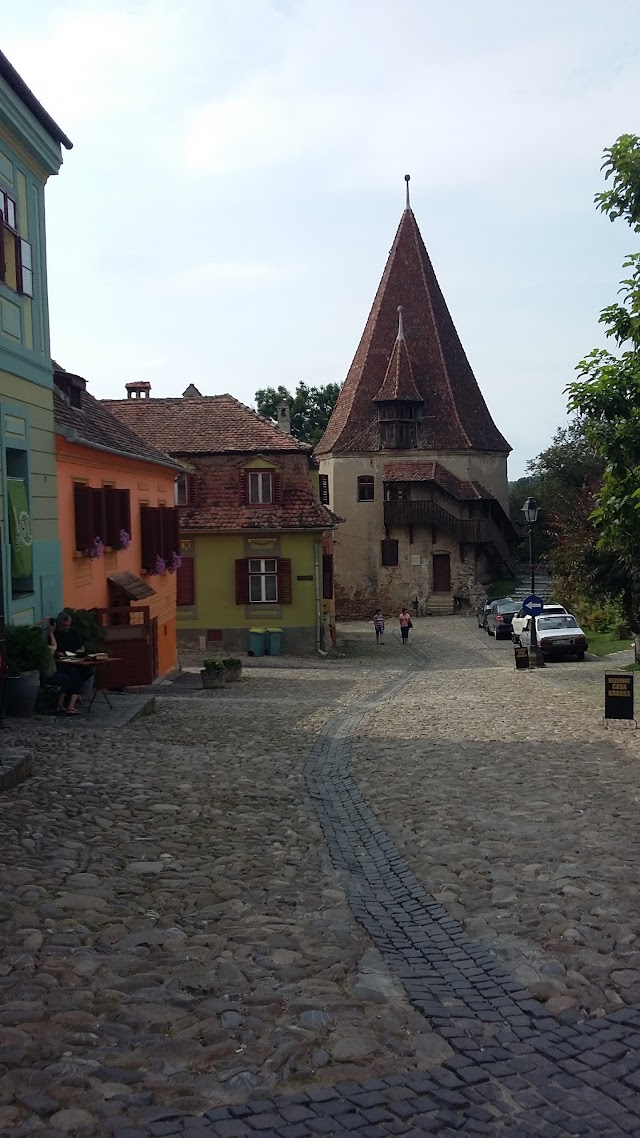
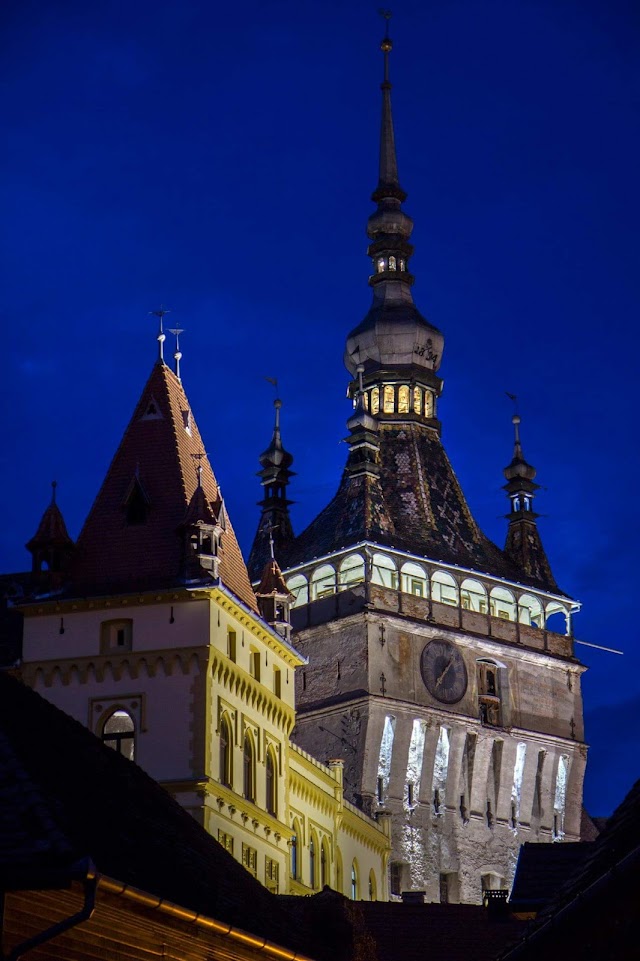
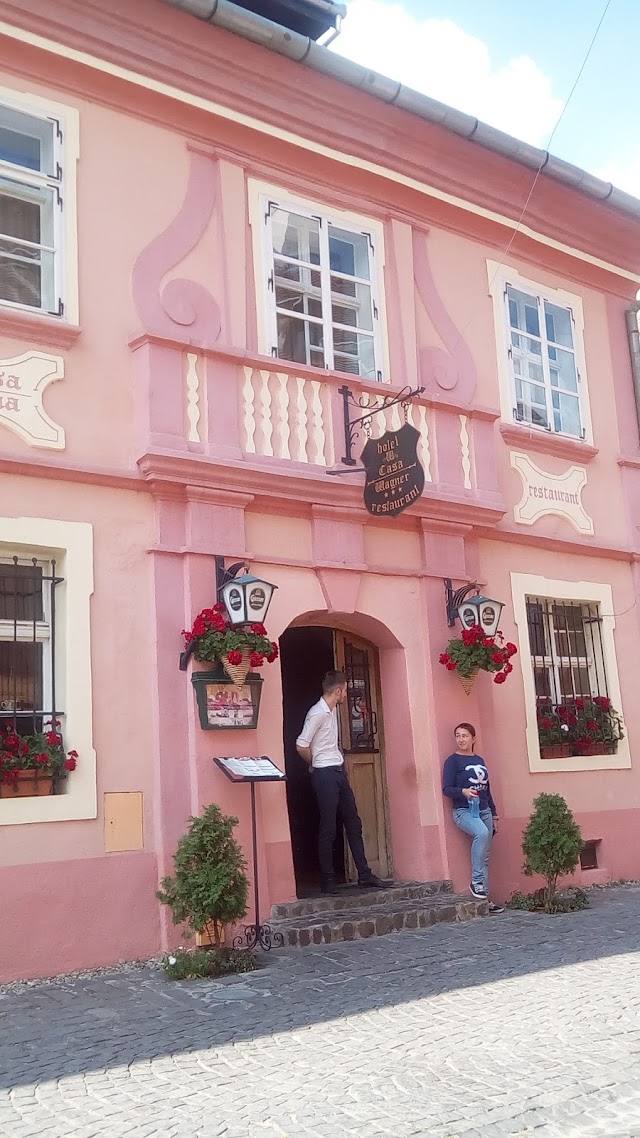
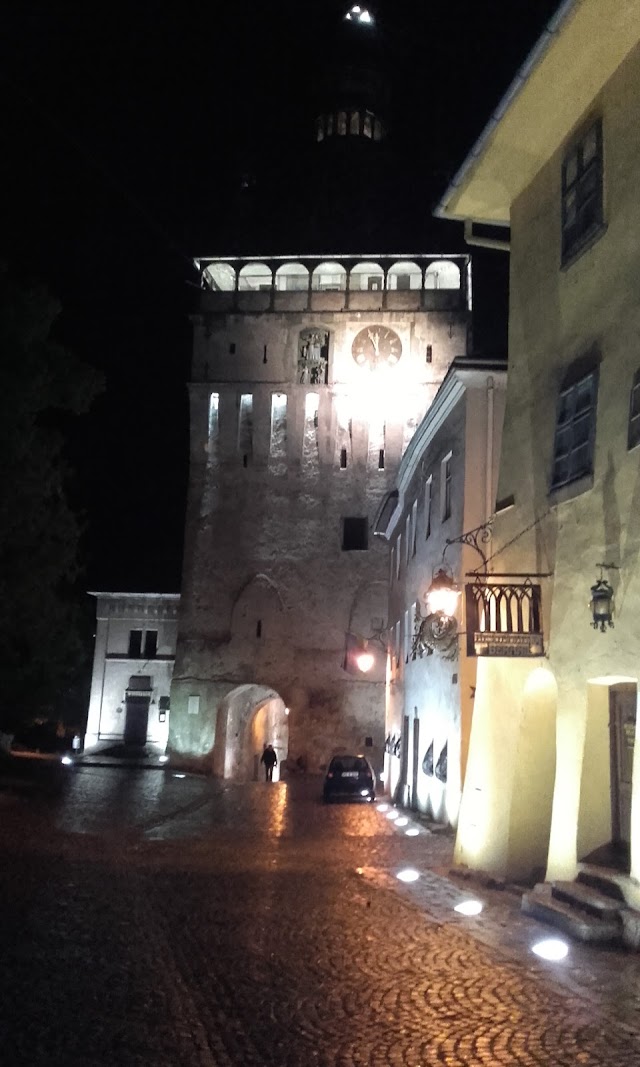
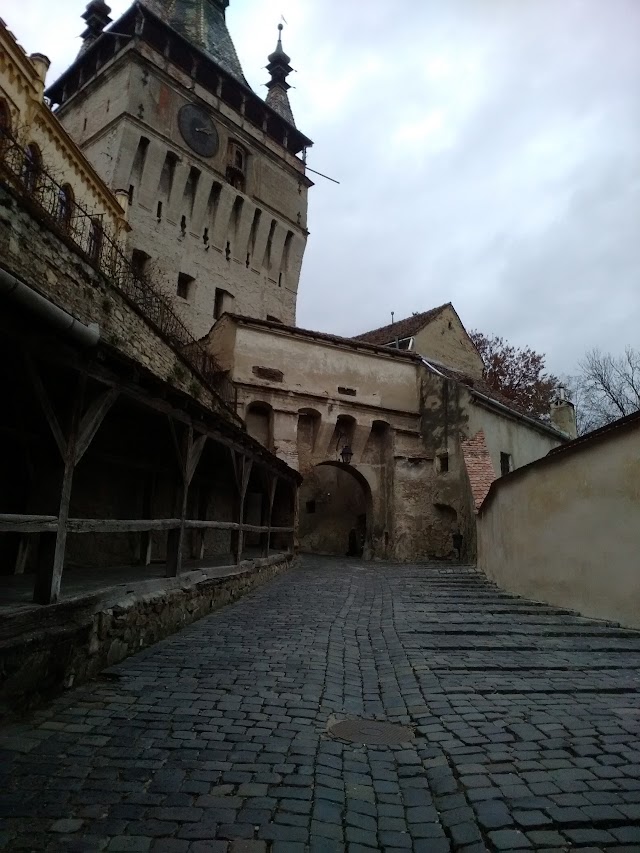
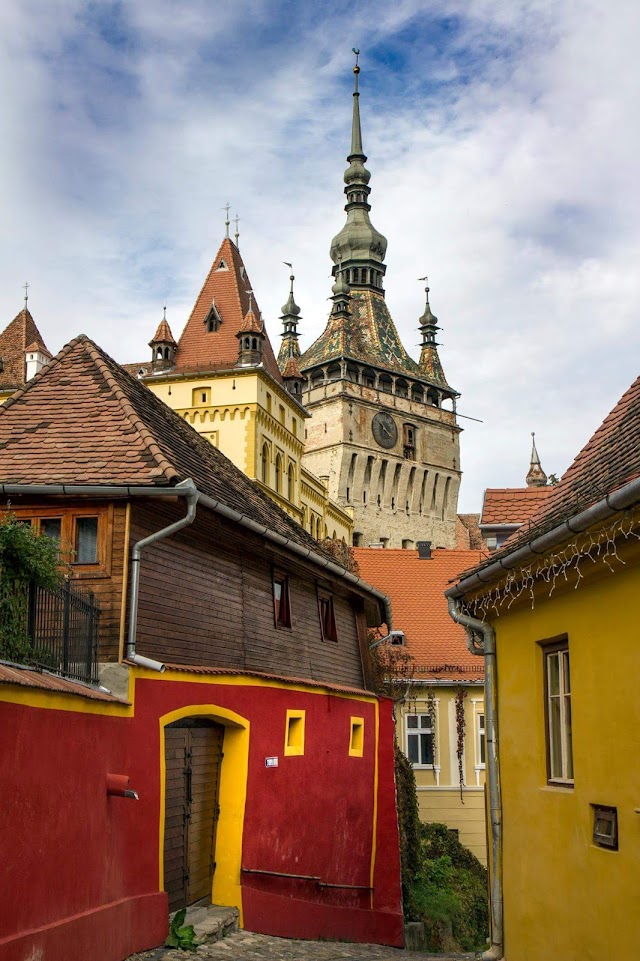
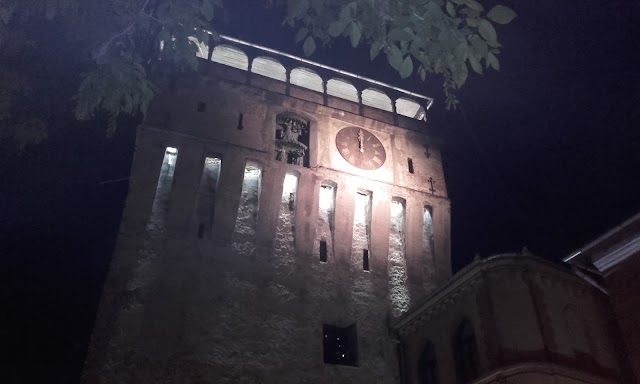
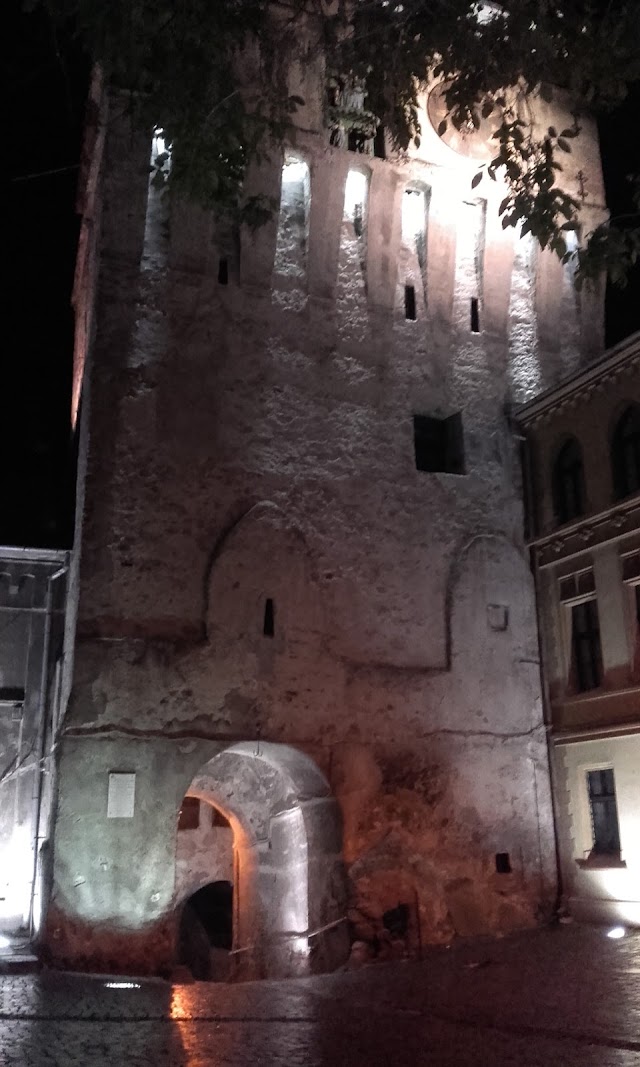
"Situé au cœur de la Transylvanie, Sighișoara est un petit bourg médiéval fondé au XIIe siècle par les Saxons de Transylvanie, une population d’origine germanique. La cité fortifiée est entourée de murailles et a conservé neuf de ses quatorze tours d’origine, dont l'imposante tour de l’Horloge. Les bâtiments colorés et les rues pavées ajoutent au charme du centre historique bien préservé, qui a été inscrit au patrimoine mondial de l'Unesco en 1999. Le village abrite plusieurs églises importantes sur le plan architectural, notamment l’église de la colline, une église gothique à trois nefs qui abrite des fresques datant du XIVe au XVIe siècle, et l’église du monastère dominicain, une église gothique tardive ornée d’éléments baroques. 𝑺𝒐𝒖𝒓𝒄𝒆(𝒔) : 𝒔𝒊𝒕𝒆 𝒘𝒆𝒃 𝒅𝒆 𝒍'𝑼𝑵𝑬𝑺𝑪𝑶 ; 𝒆𝒙𝒕𝒓𝒂𝒊𝒕 𝒅'𝒖𝒏 𝒂𝒓𝒕𝒊𝒄𝒍𝒆 𝒆𝒏 𝒍𝒊𝒈𝒏𝒆 𝒅'𝑨𝑫 𝑴𝒂𝒈𝒂𝒛𝒊𝒏𝒆 ; 𝑯𝒊𝒔𝒕𝒐𝒊𝒓𝒆 𝑰𝒕𝒊𝒏𝒆́𝒓𝒂𝒏𝒕𝒆"
Autres lieux à voir autour
 Château de Bran
Strada General Traian Moșoiu 24, Bran 507025, Roumanie
Ajouté par735 utilisateurs
Château de Bran
Strada General Traian Moșoiu 24, Bran 507025, Roumanie
Ajouté par735 utilisateurs
 Château de Peleș
Aleea Peleșului 2, Sinaia 106100, Roumanie
Ajouté par514 utilisateurs
Château de Peleș
Aleea Peleșului 2, Sinaia 106100, Roumanie
Ajouté par514 utilisateurs
 Matca Hotel Relais & Châteaux
Strada Bălăban, 24 Șimon, 507025 Brașov, Roumanie
Ajouté par19 utilisateurs
Matca Hotel Relais & Châteaux
Strada Bălăban, 24 Șimon, 507025 Brașov, Roumanie
Ajouté par19 utilisateurs
 Salina Turda
Aleea Durgăului 7, Turda 401106, Roumanie
Ajouté par392 utilisateurs
Salina Turda
Aleea Durgăului 7, Turda 401106, Roumanie
Ajouté par392 utilisateurs
 Brașov
, Roumanie
Ajouté par156 utilisateurs
Brașov
Brașov, Roumanie
Ajouté par156 utilisateurs
 La Ceaun
Strada Michael Weiss 27, Brașov 500031, Roumanie
Ajouté par151 utilisateurs
La Ceaun
Strada Michael Weiss 27, Brașov 500031, Roumanie
Ajouté par151 utilisateurs
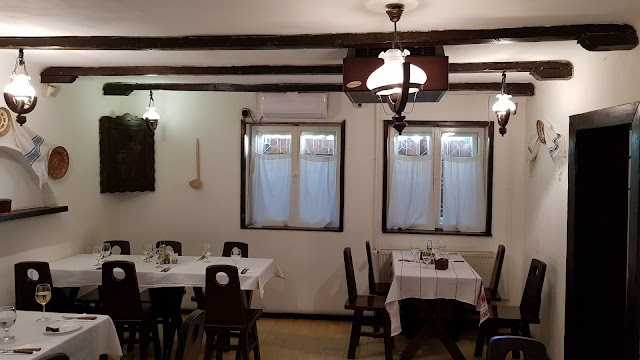 Roata
Strada Alexandru Ciurea 6, Cluj-Napoca, Roumanie
Ajouté par153 utilisateurs
Roata
Strada Alexandru Ciurea 6, Cluj-Napoca, Roumanie
Ajouté par153 utilisateurs
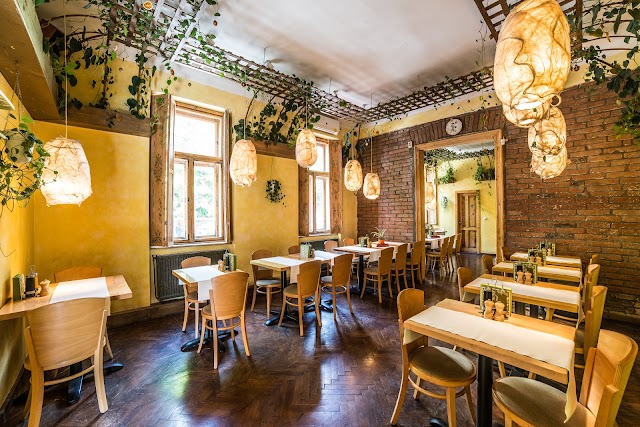 Samsara Foodhouse
nr, Strada Ștefan Ludwig Roth 5, Cluj-Napoca, Roumanie
Ajouté par131 utilisateurs
Samsara Foodhouse
nr, Strada Ștefan Ludwig Roth 5, Cluj-Napoca, Roumanie
Ajouté par131 utilisateurs
 Eggcetera
Strada Napoca 13, Cluj-Napoca 400000, Roumanie
Ajouté par121 utilisateurs
Eggcetera
Strada Napoca 13, Cluj-Napoca 400000, Roumanie
Ajouté par121 utilisateurs
 Sighișoara
, Roumanie
Ajouté par108 utilisateurs
Sighișoara
Sighișoara, Roumanie
Ajouté par108 utilisateurs
"Situé au cœur de la Transylvanie, Sighișoara est un petit bourg médiéval fondé au XIIe siècle par les Saxons de Transylvanie, une population d’origine germanique. La cité fortifiée est entourée de murailles et a conservé neuf de ses quatorze tours d’origine, dont l'imposante tour de l’Horloge. Les bâtiments colorés et les rues pavées ajoutent au charme du centre historique bien préservé, qui a été inscrit au patrimoine mondial de l'Unesco en 1999. Le village abrite plusieurs églises importantes sur le plan architectural, notamment l’église de la colline, une église gothique à trois nefs qui abrite des fresques datant du XIVe au XVIe siècle, et l’église du monastère dominicain, une église gothique tardive ornée d’éléments baroques. 𝑺𝒐𝒖𝒓𝒄𝒆(𝒔) : 𝒔𝒊𝒕𝒆 𝒘𝒆𝒃 𝒅𝒆 𝒍'𝑼𝑵𝑬𝑺𝑪𝑶 ; 𝒆𝒙𝒕𝒓𝒂𝒊𝒕 𝒅'𝒖𝒏 𝒂𝒓𝒕𝒊𝒄𝒍𝒆 𝒆𝒏 𝒍𝒊𝒈𝒏𝒆 𝒅'𝑨𝑫 𝑴𝒂𝒈𝒂𝒛𝒊𝒏𝒆 ; 𝑯𝒊𝒔𝒕𝒐𝒊𝒓𝒆 𝑰𝒕𝒊𝒏𝒆́𝒓𝒂𝒏𝒕𝒆"
@histoireitinerante
"Medieval Saxon fortress town"
@because_normal_is_boring