Tierra Chiloé
Tierra Chiloé Tierra Chiloé Tierra Chiloé Tierra Chiloé Tierra Chiloé Tierra Chiloé Tierra Chiloé Tierra Chiloé Tierra Chiloé Tierra Chiloé Tierra Chiloé Tierra Chiloé Tierra Chiloé Tierra Chiloé Tierra Chiloé Tierra Chiloé Tierra Chiloé
Vous pensez qu'il y a une erreur sur ce lieu ?

Vos retours sont importants pour nous. Si vous avez remarqué une erreur concernant ce lieu, merci de nous en informer pour que nous puissions la corriger.

Signaler une erreur
Propriétaire de ce lieu ?

Nous récupérons automatiquement les informations disponibles sur votre lieu. Si jamais celles-ci ne sont pas correctes, connectez-vous gratuitement sur notre tableau de bord pour les modifier et bonus, accédez à vos statistiques détaillées.

mapstr icon Modifier les informations de votre lieu
La communauté mapstr
Enregistré par

46 utilisateurs

#Tags souvent utilisés
#Hotel #Hotel 🏩 #Hotel 🛏 #Hôtel #Spa
Ce qu'en disent les utilisateurs

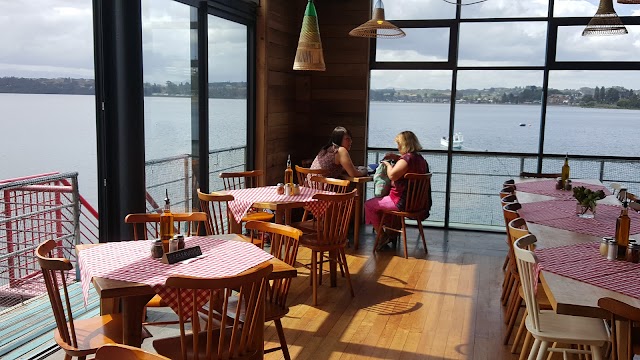
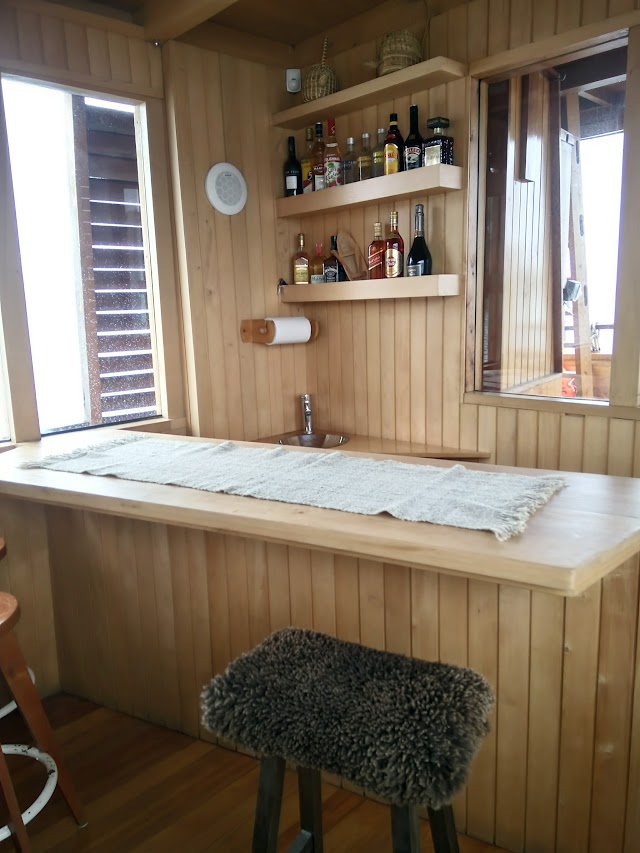
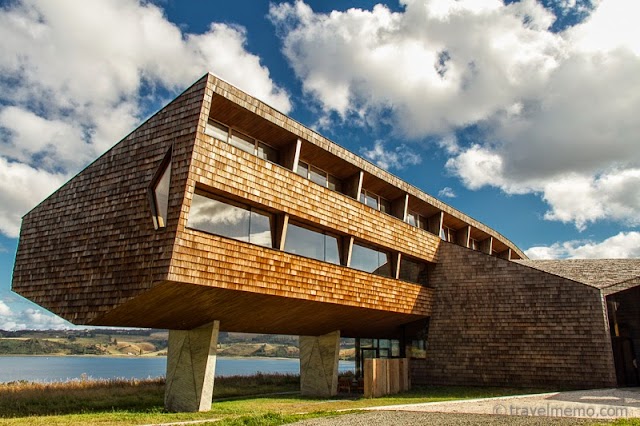
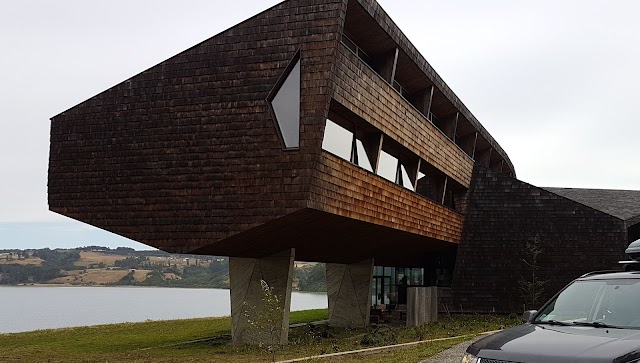
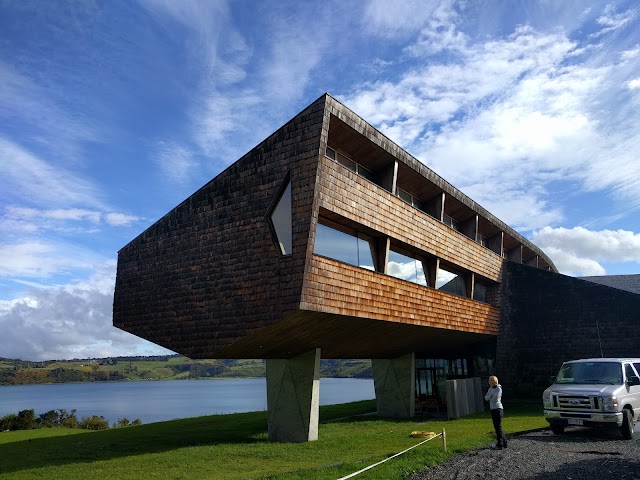
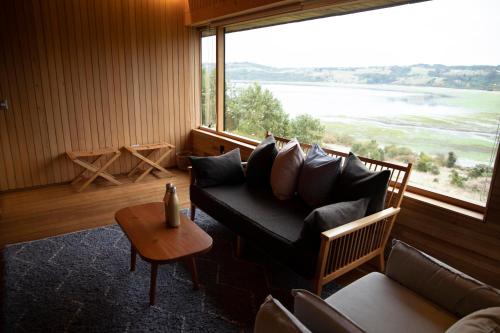
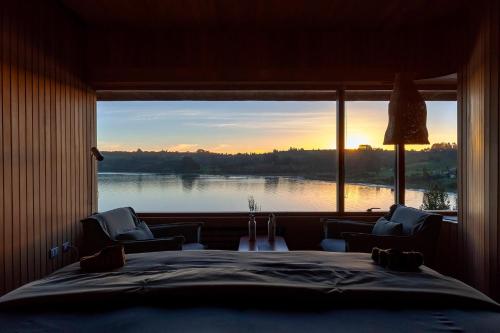
"To be immersed in the nature of Chiloé Island, a place many travellers bypass on their way south to Patagonia or north back up to the Chilean capital, Santiago. This is a land of magic and mystery, of hummingbirds and penguins, of rich natural and cultural heritage, where community rituals occasionally involve picking up a church and moving it to another site, or simply gathering together to harvest apples and make juice together. It’s an almost utopian idyll, a place so precious that you’ll want to keep returning. Set the scene The island of Chiloé, located roughly two-thirds of the way down Chile’s coast as you head south, doesn’t have monumental Andean peaks, smoking volcanoes, or glacial ice flows. Instead, it’s a place of gentle landscapes, of rolling hills and green meadows, prehistoric ferns and thorny blackberry bushes, tiny pudú deer and stocky little penguins, with calm waters to the east and crashing Pacific waves to the west. Stay at Refugia Chiloé, on the tranquil Rilán Peninsula, and you’ll be able to experience all of it on excursions with the lodge’s knowledgeable, young Chilean guides. The sunsets are so beautiful here that they’re enough to reduce even the hardiest hiker to tears. Your fellow guests are likely to be outdoor enthusiasts on a grand tour of the country, Chileans keen to find out what this mysterious island is all about, and bird-watchers eager to spot flightless steamer ducks, fire-eyed diucons, and the Hudsonian Godwits that fly 9,000 miles here each year from Alaska. Hiking pants and down vests are the outfits du jour, and don’t be surprised to find everyone padding around the place in hand-knitted woolly socks. They’re made by local villagers, and included in every room. The backstory The hotel opened in 2012 and was known as Tierra Chiloé until it rebranded as Refugia Chiloé earlier this year. It’s operated by the American-Chilean family, the Purcells, who are behind Ski Portillo. Perched on the edge of the remote Rilán Peninsula, the hotel manages to strike a balance between being architecturally dramatic and simultaneously at one with the natural setting. Architecture and design, Santiago-based Mobil Arquitectos take inspiration from the wooden palafito stilt houses in the island’s main town, Castro. Using local materials, they’ve created a structure that almost hovers above the land, standing on angular concrete legs and commanding spectacular views from every public space and guest room. The rooms The 24 cosy rooms are instantly calming, with warm wood panelling and picture windows that run the full length of the bedroom and bathroom, framing the views of the bay outside. Design is minimalist and lets the outdoors shine. The strategically placed window-front bathtubs are a nice touch, with built-in wine glass holders that encourage lengthy evening soaking. At night, I sleep with the blinds open so I can wake in the early morning to the sounds of waterfowl and the first traces of daylight. It’s the kind of place where you don’t want to miss a single second of the beauty that surrounds you. Food and drink There’s a strong commitment to using local ingredients here, and it’s not hard to see why. The produce that comes from the land and surrounding waters is naturally super-sized. Cloves of Chiloé garlic are as large as my palm, as are the mussels. Carrots are enormous, potatoes come in a multitude of pretty purples, and leathery strips of dried cochayuyo seaweed imbue dishes with a briney umami flavour. Dinners revolve around short menus that change daily, with seasonal dishes made from local ingredients like sea bass and pomfret tiradito, mussels stuffed with cheese and morcilla, and semifreddo made of cream cheese and local black garlic. There’s a good selection of Chilean wines and local beers, and the bar team shakes up excellent cocktails with gin produced on neighbouring Queilén Island infused with aromatics of cypress wood, rosemary and local apples, and vodka made from Chiloé potatoes and spring water. The classic pisco sour is unmissable, as is the island cocktail made with pisco, eucalyptus syrup and wild murta, a local antioxidant, anti-inflammatory and analgesic berry used by indigenous communities in traditional medicine and food. The spa The spa’s main highlight is the petite outdoor infinity pool that looks out over Pullao Bay and the jagged silhouette of the snow-capped Andes on the distant horizon. You’d be hard-pressed to find a better post-hike recovery spot than this: the waters are warm, the sunsets are painted a wild mix of pinks and reds, and a post-soak pisco sour is only a few steps away. There’s also an indoor pool with hydro-massage, along with steam, sauna and two treatment rooms where massages, facials and body treatments incorporate ingredients like Chilean hazelnut, maqui berry and local herbs to soothe tired muscles. The neighbourhood Refugia Chiloé stands in peaceful isolation on the Rilán Peninsula, surrounded by gardens filled with apple trees, gorse and fuchsia plants that lead down to the water’s edge. As lovely as the setting is, it’s the excursions that really make a stay here exceptional. Active experiences take guests out into the island’s wilds, and cultural experiences, requiring less physical exertion, introduce Chiloé’s fascinating history and heritage. Trips to Castro, the island’s main town, stop at the main market, pungent with dried mussels and seaweed, where you can pick up souvenirs like little knitted bobble hat magnets, ground local chilli, and ulmo flower honey, as well as snack on raspberry and rhubarb empanadas. The Williche, Refugia’s wooden boat, takes guests out on trips to nearby islands that are home to historical wooden churches designated Unesco World Heritage Sites. The journey is as lovely as the destination, the boat slicing through glassy waters as dolphins race alongside, blubbery sea lions wobble on top of buoys, and black-and-white imperial cormorants eye their next catch in the cold, clear bay. But my most memorable day is hiking on the Pacific coast in woodland that quickly transforms into sand dunes and steep windswept cliffs, past nalca plants with gargantuan leaves, trees with trunks that are cold to the touch, and waves that toss thick kelp fronds like Medusa’s hair. It’s a strenuous hike, rewarded at the end with the sighting of an elusive pudú, the world’s tiniest deer. The service Young, friendly and genuinely passionate about Chiloé, its cultural sites, wildlife and nature. The energy of the guides is effervescent, and their genuine love of the land is contagious. For families Refugia Chiloé welcomes guests of all ages, and there are plenty of activities for families, although some of the more strenuous excursions won’t be suitable for the youngest guests. Nature bathing, horse riding, e-biking, clam harvesting, and excursions on the Williche are among the most popular family activities, and programmes can be tailor-made based on age and interests. Connecting rooms are also available, as are rollaway beds. Eco effort The property has been designed to optimise natural resources, including wind, sunlight and rainwater. Natural cross-ventilation and efficient lighting help reduce reliance on fossil fuels, and the wooden shingle exterior minimises heat loss in cold weather. Renewable biomass energy is used for heating, single-use plastics are avoided, and the hotel partners with a number of local causes and community projects, giving guests the opportunity to support valuable projects and programmes with donations. Accessibility A number of rooms are designed for people with disabilities, and most areas within the hotel are navigable by wheelchair. While the hotel’s regular fleet of vehicles is not adapted for accessibility, it may be possible for the team to source one with advance notice. Anything left to mention? Don’t miss the Mitos de Chiloé series of photographs by Justin Graham in the living room, featuring characters from Chilote mythology, something that is key to the island’s identity. Portraits include the rooster-headed, snake-necked El Basilisco, said to have a nocturnal song that induces a deep sleep in its victims while the creature absorbs their breath and saliva until they eventually die. If you’re interested in learning more cheery tales of Chilote mythology, Librería El Tren in Castro has a good selection of books on local legend."

@

"Une architecture époustouflante postée au bout du monde, sur l’archipel de Chiloé."

@

"Very good experience. Top hotel. Been there in 2022. "

@

"Une architecture époustouflante postée au bout du monde, sur l’archipel de Chiloé."

@

Approuvé par 1 partenaires officiels
Autres lieux Ă  voir autour
La meilleure expérience Mapstr est sur l'application mobile.
Enregistrez vos meilleures adresses, partagez les plus belles avec vos amis, découvrez les recommendations de vos magazines et influcenceurs préférés.