





Wyoming Frontier Prison Museum


Vous pensez qu'il y a une erreur sur ce lieu ?
Signaler une erreur
Vos retours sont importants pour nous. Si vous avez remarqué une erreur concernant ce lieu, merci de nous en informer pour que nous puissions la corriger.
Propriétaire de ce lieu ?
Nous récupérons automatiquement les informations disponibles sur votre lieu. Si jamais celles-ci ne sont pas correctes, connectez-vous gratuitement sur notre tableau de bord pour les modifier et bonus, accédez à vos statistiques détaillées.
 Modifier les informations de votre lieu
Ce qu'en disent les utilisateurs
Autres lieux à voir autour
 Strawberry Park Natural Hot Springs
44200 Co Rd 36, Steamboat Springs, CO 80487, États-Unis
Ajouté par83 utilisateurs
Strawberry Park Natural Hot Springs
44200 Co Rd 36, Steamboat Springs, CO 80487, États-Unis
Ajouté par83 utilisateurs
 Brush Creek Ranch
66 Brush Creek Ranch Rd, Saratoga, WY 82331, États-Unis
Ajouté par47 utilisateurs
Brush Creek Ranch
66 Brush Creek Ranch Rd, Saratoga, WY 82331, États-Unis
Ajouté par47 utilisateurs
 Salt & Lime
628 Lincoln Ave, Steamboat Springs, CO 80487, USA
Ajouté par24 utilisateurs
Salt & Lime
628 Lincoln Ave, Steamboat Springs, CO 80487, USA
Ajouté par24 utilisateurs
 Mountain Tap Brewery
910 Yampa St #103, Steamboat Springs, CO 80487, USA
Ajouté par14 utilisateurs
Mountain Tap Brewery
910 Yampa St #103, Steamboat Springs, CO 80487, USA
Ajouté par14 utilisateurs
 Back Door Grill
825 Oak St, Steamboat Springs, CO 80487, USA
Ajouté par12 utilisateurs
Back Door Grill
825 Oak St, Steamboat Springs, CO 80487, USA
Ajouté par12 utilisateurs
 Winona's Restaurant
617 Lincoln Ave, Steamboat Springs, CO 80487, USA
Ajouté par12 utilisateurs
Winona's Restaurant
617 Lincoln Ave, Steamboat Springs, CO 80487, USA
Ajouté par12 utilisateurs
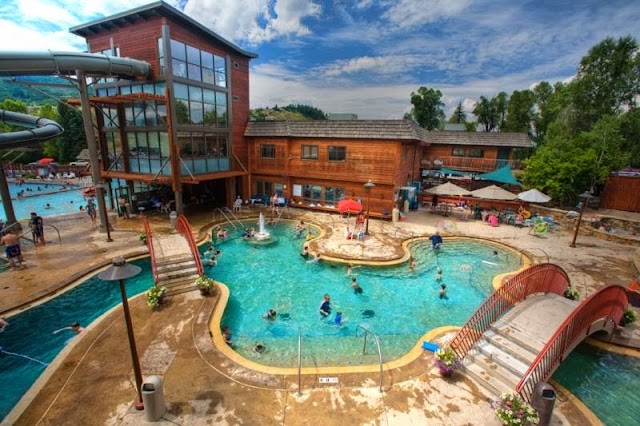 Old Town Hot Springs
136 Lincoln Ave, Steamboat Springs, CO 80487, USA
Ajouté par12 utilisateurs
Old Town Hot Springs
136 Lincoln Ave, Steamboat Springs, CO 80487, USA
Ajouté par12 utilisateurs
 Laundry
127 11th St, Steamboat Springs, CO 80487, USA
Ajouté par11 utilisateurs
Laundry
127 11th St, Steamboat Springs, CO 80487, USA
Ajouté par11 utilisateurs
 Creekside Cafe & Grill
131 11th St, Steamboat Springs, CO 80487, États-Unis
Ajouté par12 utilisateurs
Creekside Cafe & Grill
131 11th St, Steamboat Springs, CO 80487, États-Unis
Ajouté par12 utilisateurs
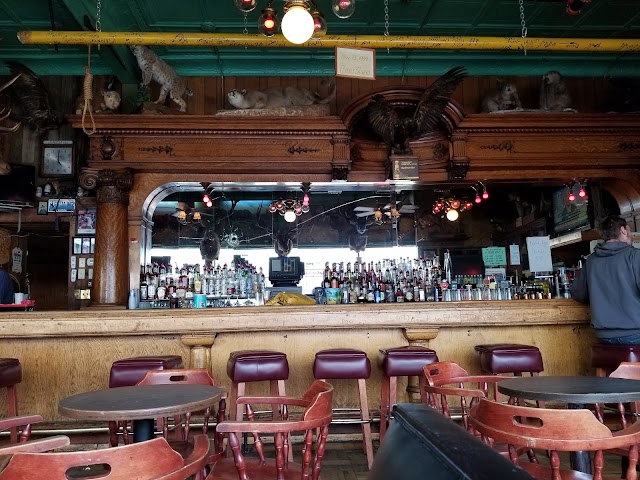 Buckhorn Bar & Parlor
114 E Ivinson Ave, Laramie, WY 82070, USA
Ajouté par8 utilisateurs
Buckhorn Bar & Parlor
114 E Ivinson Ave, Laramie, WY 82070, USA
Ajouté par8 utilisateurs
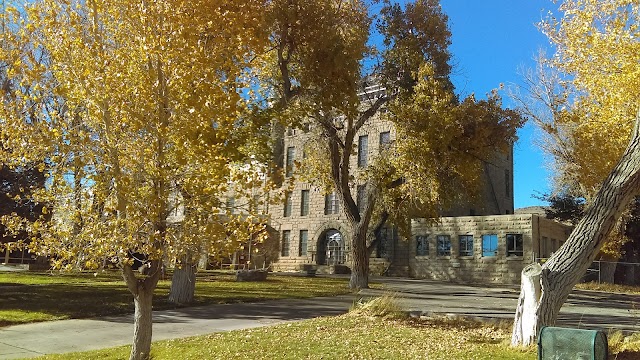
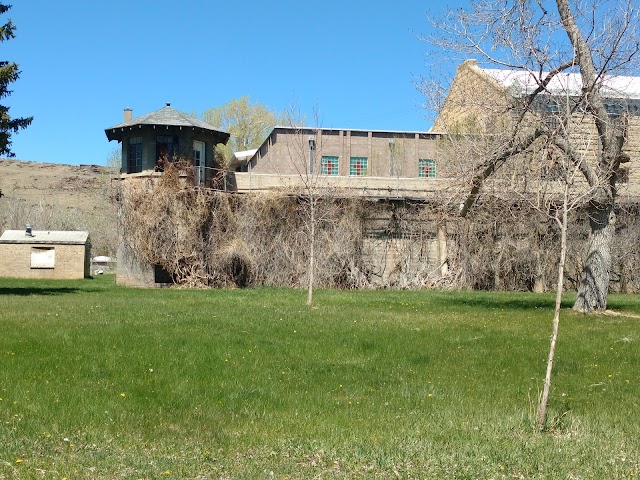
"This prison-turned-museum is a remnant of the Old West's grizzly, violent past. Post-Civil War Wyoming was one of the wildest of the wild west states. Its endless canyons were an asylum for outlaws, its untouched plains a playground for the law averse. Anxiously awaiting statehood, Wyoming chose Rawlins as the prime location for its new prison. The Cowboy State, as it was to become known, no longer intended to act as a haven for criminals. The Wyoming Frontier Prison was going to enforce the territories intention to be a law-abiding member of the union. Opening in 1901, the prison consisted of 104 cell blocks, and in the beginning was absent of running water or electricity. Women were housed in the prison until 1909, until the last woman was transferred to Colorado. In the 80 years that the prison operated, general advancements were made on the facilities, and due to the apparent popularity of the institution, many expansions were made. The prison used various methods of discipline for the people incarcerated there, many of which are considered inhumane today. Methods including a dungeon, solitary confinement, and a “punishment pole” to which men were handcuffed and whipped. It was the setting of prison riots and daring escapes. Train robbers, horse thieves, and murderers made up the bulk of the population over the years—when it closed its doors in 1981, the prison had held at least 13,500 people within its walls, and executed 14. The Wyoming Frontier Prison reopened as a museum in 1988. It now offers three-hour tours, guiding you through the cafeteria, the grounds, three of the former cell blocks, and of course the Death House, where 14 men were executed for their transgressions: nine by hanging and five in the still-present gas chamber. Historical artifacts from prison life, fascinating inmate profiles, and an exhibit dedicated to the prison's film debut in the 1987 Viggo Mortensen film Prison are some of the most standout attractions, and the spooky, misery-soaked grounds are an obvious favorite for ghost hunters hoping to spot a tortured soul forever trapped within the prison walls. The weather in these parts can be unforgiving—make sure to call ahead even on scheduled operating days as the museum closes when roads get too treacherous to receive visitors responsibly. "
@
"Carbon County, Wyoming, United States"
@interesting
"The Old Wyoming State Penitentiary in use from 1901 – 1981 is now listed on the National Register of Historic Places and offers hour-long guided tours that take visitors through three cell blocks, the cafeteria, the grounds and the Death House. While outlaws roamed the windswept high plains, canyons and mountains of post-Civil War Wyoming, the Territorial Legislature was planning a state-of-the art penitentiary at Rawlins in anticipation of statehood. This new Wyoming State Penitentiary, which served from 1901 until 1981, would send a strong message to free-wheeling desperadoes: Wyoming would NO LONGER be a haven for the lawless. The Old Pen, as the Wyoming Frontier Prison is affectionately called today, is “haunted by history.” Tales of great train robbers, wily escapes and of women driven to crimes of passion are told on the regularly scheduled guided tours offered daily from Memorial Day to Labor Day. Group tours and off season tours are also available. Visitors may browse through history in the prison museum where historical information sits side-by-side with confiscated inmate-made weapons and an exhibit of the movie, “Prison,” filmed on location in 1987."
@
"Prison transformée en musée."
@valentinsalomon