

Skandia Teatern


Vous pensez qu'il y a une erreur sur ce lieu ?
Signaler une erreur
Vos retours sont importants pour nous. Si vous avez remarqué une erreur concernant ce lieu, merci de nous en informer pour que nous puissions la corriger.
Propriétaire de ce lieu ?
Nous récupérons automatiquement les informations disponibles sur votre lieu. Si jamais celles-ci ne sont pas correctes, connectez-vous gratuitement sur notre tableau de bord pour les modifier et bonus, accédez à vos statistiques détaillées.
 Modifier les informations de votre lieu
Ce qu'en disent les utilisateurs
Autres lieux à voir autour
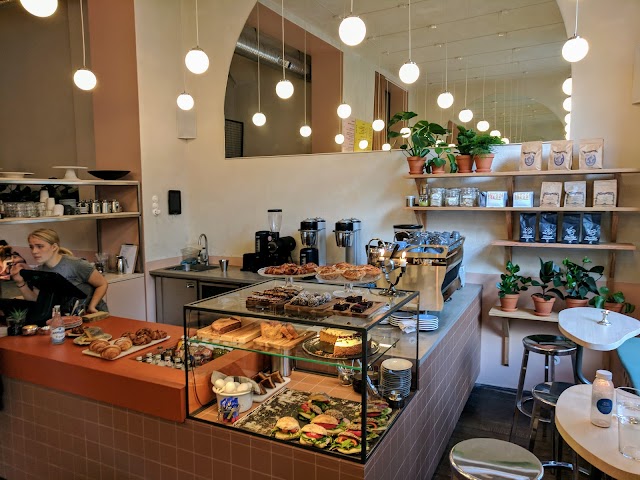 Gast Cafe
Rådmansgatan 57, 113 60 Stockholm, Suède
Ajouté par1073 utilisateurs
Gast Cafe
Rådmansgatan 57, 113 60 Stockholm, Suède
Ajouté par1073 utilisateurs
 Rolfs Kök
Tegnérgatan 41, 111 61 Stockholm, Suède
Ajouté par732 utilisateurs
Rolfs Kök
Tegnérgatan 41, 111 61 Stockholm, Suède
Ajouté par732 utilisateurs
 Urban Deli
111 34, Sveavägen 44, 111 34 Stockholm, Suède
Ajouté par708 utilisateurs
Urban Deli
111 34, Sveavägen 44, 111 34 Stockholm, Suède
Ajouté par708 utilisateurs
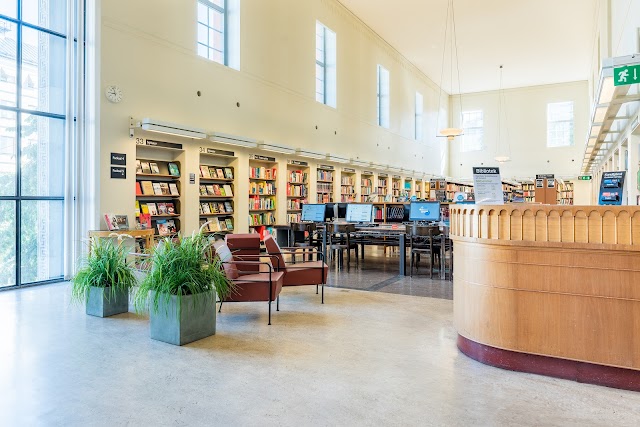 Bibliothèque publique de Stockholm
Odengatan 63, 113 50 Stockholm, Suède
Ajouté par621 utilisateurs
Bibliothèque publique de Stockholm
Odengatan 63, 113 50 Stockholm, Suède
Ajouté par621 utilisateurs
 Miss Clara by Nobis
Sveavägen 48, 111 34 Stockholm, Suède
Ajouté par503 utilisateurs
Miss Clara by Nobis
Sveavägen 48, 111 34 Stockholm, Suède
Ajouté par503 utilisateurs
 Restaurang Farang
Tulegatan 7, 113 53 Stockholm, Suède
Ajouté par435 utilisateurs
Restaurang Farang
Tulegatan 7, 113 53 Stockholm, Suède
Ajouté par435 utilisateurs
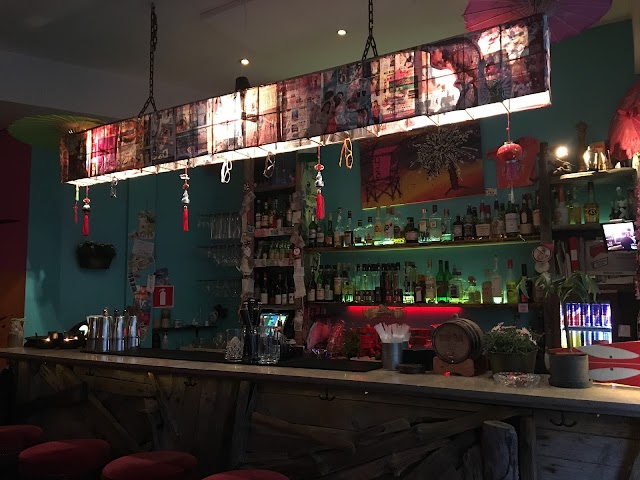 Surfers i Stockholm
111 39, Regeringsgatan 88, 111 39 Stockholm, Suède
Ajouté par432 utilisateurs
Surfers i Stockholm
111 39, Regeringsgatan 88, 111 39 Stockholm, Suède
Ajouté par432 utilisateurs
 La Neta AB
Barnhusgatan 2, 111 23 Stockholm, Suède
Ajouté par387 utilisateurs
Savant Bar - Kaffe & Vin
Tegnérgatan 4, 113 58 Stockholm, Suède
Ajouté par379 utilisateurs
La Neta AB
Barnhusgatan 2, 111 23 Stockholm, Suède
Ajouté par387 utilisateurs
Savant Bar - Kaffe & Vin
Tegnérgatan 4, 113 58 Stockholm, Suède
Ajouté par379 utilisateurs
 Centralbadet
Drottninggatan 88, 111 36 Stockholm, Suède
Ajouté par385 utilisateurs
Centralbadet
Drottninggatan 88, 111 36 Stockholm, Suède
Ajouté par385 utilisateurs
"Cinéma avec mobilier et décoration 1923"
@
"Secret séance… Très beau ciné + bonnes pizzas"
@wiwi2
"SKANDIA CINEMA Spectacularly decorated opulent 1920s cinema Drottninggatan 82 If the cinema is open, you can usually have a look Metro: Hötorget to younger people, the 1920s cinema Skandia offers one of Stockholm's most beguiling period interiors. The screening room has an arched dark blue ceiling intended to look like a night sky. Originally, it had white glass globes hanging from it to emulate planets. Graeco-Roman and Christian mythology is represented in the decorations, as are the mythological figures of contemporary Hollywood - in the shape of stars like Harold Lloyd, Charlie Chaplin and Mary Pickford. On the right and left sides of the stage, respectively, are gilded wooden statues of Adam and Eve. Adam's torso has a mark from a notice attached to it with adhesive tape when a Pentecostal church rented the premises for some years in the 1980s. One might wonder what the Pentecostals thought of the railing on the stairs, decorated with unho-ly-looking brass serpent heads. As it was built in the 1920s, Skandia originally screened silent films, which meant it had a Wurlitzer theatre organ. Aside from music, it could produce sound effects in accordance with what was occurring in the films. It was played by an organist in a white dinner jacket, and a mechanism could raise him slowly through the floor. The old organ space re-mains, but the instrument is in the former R1 reactor (see p. 292). The house itself was built in 1854 and, to find room for a cinema, the backyard had to be co-opted for the salon. Initially handled by architect Ragnar Hjorth, the project was handed over to his up-and-coming colleague Gunnar Asplund (with help from Uno Ahrén and Kjell Westin), who created this masterpiece between 1922 and 1923. At the time he was also working on his most famous creation, the Stockholm Public Library, that would make him an international star. Asplund was well connected in the art world, and brought in many of his artist friends to help decorate Skandia. Among them were future stars like Leander Engström (who did the ceiling paintings in the stairs), Stig Blomberg (reliefs in the vestibule) and Einar Forseth (friezes, putti). Prominent critics of the period hailed the result a masterpiece."
@
"1923 cinema, gorgeous inside "
@maudewil
"fauteuil rouge velours, ciné tradi, architecte Erik Gunnar Asplund"
@laure.geneste
"Festosissimo, straordinario e modernissimo il cinema Skandia (1922-23). L’architetto prova qui a smaterializzare la sua esperienza delle notti delle feste popolari nel meridione d’Italia, Taormina ma anche Tunisi. Le feste popolari in cui le luci artificiali si mescolano con le luci delle stelle in un clima di festa arricchito dalla musica. Gli interni dell’edificio hanno subito dei mutamenti nel corso del tempo ma il carattere con cui è nato il cinema resiste nella sua autenticità. Splendidi i vecchi disegni degli interni a opera dell’architetto. "
@lilchia