


Palouse Falls State Park


Vous pensez qu'il y a une erreur sur ce lieu ?
Signaler une erreur
Vos retours sont importants pour nous. Si vous avez remarqué une erreur concernant ce lieu, merci de nous en informer pour que nous puissions la corriger.
Propriétaire de ce lieu ?
Nous récupérons automatiquement les informations disponibles sur votre lieu. Si jamais celles-ci ne sont pas correctes, connectez-vous gratuitement sur notre tableau de bord pour les modifier et bonus, accédez à vos statistiques détaillées.
 Modifier les informations de votre lieu
Ce qu'en disent les utilisateurs
Autres lieux à voir autour
 Palouse Falls
, Washington 99143, États-Unis
Ajouté par24 utilisateurs
Palouse Falls
Palouse Falls, Washington 99143, États-Unis
Ajouté par24 utilisateurs
 Riverfront Park
507 N Howard St, Spokane, WA 99201, États-Unis
Ajouté par20 utilisateurs
Riverfront Park
507 N Howard St, Spokane, WA 99201, États-Unis
Ajouté par20 utilisateurs
 Atticus Coffee & Gifts
222 N Howard St, Spokane, WA 99201, USA
Ajouté par19 utilisateurs
Atticus Coffee & Gifts
222 N Howard St, Spokane, WA 99201, USA
Ajouté par19 utilisateurs
 Frank's Diner
1516 W 2nd Ave, Spokane, WA 99201, États-Unis
Ajouté par17 utilisateurs
Frank's Diner
1516 W 2nd Ave, Spokane, WA 99201, États-Unis
Ajouté par17 utilisateurs
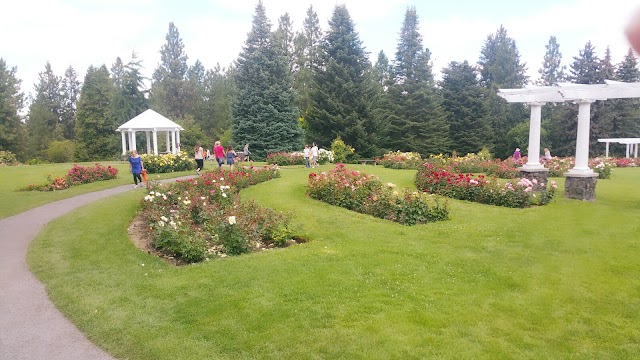 Manito Park
1702 S Grand Blvd, Spokane, WA 99203, États-Unis
Ajouté par15 utilisateurs
Manito Park
1702 S Grand Blvd, Spokane, WA 99203, États-Unis
Ajouté par15 utilisateurs
 Steptoe Butte State Park
Whitman, Colfax, WA 99111, États-Unis
Ajouté par14 utilisateurs
Steptoe Butte State Park
Whitman, Colfax, WA 99111, États-Unis
Ajouté par14 utilisateurs
 Clinkerdagger
621 W Mallon St, Spokane, WA 99201, États-Unis
Ajouté par16 utilisateurs
Clinkerdagger
621 W Mallon St, Spokane, WA 99201, États-Unis
Ajouté par16 utilisateurs
 Bar Bacetto
119 Main St, Waitsburg, WA 99361, USA
Ajouté par13 utilisateurs
Bar Bacetto
119 Main St, Waitsburg, WA 99361, USA
Ajouté par13 utilisateurs
 Aéroport international de Spokane
9000 W Airport Dr, Spokane, WA 99224, États-Unis
Ajouté par14 utilisateurs
Aéroport international de Spokane
9000 W Airport Dr, Spokane, WA 99224, États-Unis
Ajouté par14 utilisateurs
 Spokane
, WA, USA
Ajouté par14 utilisateurs
Spokane
Spokane, WA, USA
Ajouté par14 utilisateurs
"Saturday, July 09, 2011 12:05:13 AM GMT GPSCoordinates: 46°39'52.596" N 118°13'31.697" W"
@scott.shields.photo.workshops
"Best lid-late afternoon. Shot Friday, July 08, 2011 11:49:24 PM GMT at GPSCoordinates: 46°39'48.905" N 118°13'35.957" W"
@scott.shields.photo.workshops
"Palouse, Washington scenic road trip The Palouse is one of the most underrated scenic drives in the Northwest: rolling wheat fields, old barns, small farming towns, big skies, and overlook roads that feel almost like driving through a painting. It is not dramatic in the “red rock canyon” way; it is more peaceful, wide-open, photographic, and slow-travel oriented. The official Palouse Scenic Byway is not one single road. It is a multi-route scenic region across southeastern Washington, using highways like US 195, WA 27, WA 26, and quieter farm roads. Washington tourism describes it as a drive through rolling hills, farmland, buttes, small towns, Palouse Falls, and the Palouse/Snake River country. Best route For a first Palouse road trip, I’d do this: Spokane → Colfax → Steptoe Butte → Palouse → Pullman → Uniontown → Wawawai / Snake River → Palouse Falls → Spokane That makes it a 2-day loop with the best mix of viewpoints, towns, farm-country driving, and one major waterfall. Best 2-day itinerary Day 1: Spokane to Pullman via Steptoe Butte Start in Spokane and head south on US 195 toward Colfax. From there, make Steptoe Butte your main scenic stop. Steptoe Butte is a National Natural Landmark and gives huge panoramic views over the surrounding farmland, mountains, and states; Washington State Parks lists it as open 8 a.m. to dusk year-round, with Discover Pass/day-use fees. Route: Spokane → Rosalia → Colfax → Steptoe Butte → Palouse → Pullman Best stops: Stop Why it’s worth it Rosalia Small-town Palouse feel and historic remnants Colfax Good base town and gateway to Steptoe Butte Steptoe Butte The must-do overlook; best at sunrise or sunset Palouse, WA Charming small town surrounded by rolling hills Pullman Best overnight base with more hotels and restaurants My take: Steptoe Butte is the one stop I would build the entire trip around. The Palouse Scenic Byway site notes that Steptoe Butte rises about 3,618 feet and offers panoramic views of the region. Day 2: Pullman, backroads, Snake River, Palouse Falls On Day 2, drive the farm roads south and west of Pullman, then continue toward Palouse Falls State Park if you want the big scenic finale. Route: Pullman → Uniontown → Wawawai Road / Snake River → Starbuck / Washtucna area → Palouse Falls → return to Spokane or continue west Best stops: Stop Why it’s worth it Pullman Good food/lodging base; college-town energy Uniontown Quiet farm-town stop south of Pullman Wawawai Road Scenic descent toward the Snake River Snake River viewpoints Big contrast from rolling wheat fields Palouse Falls Dramatic waterfall and one of eastern Washington’s signature sights Palouse Falls is a strong add-on because it gives the route a different kind of visual payoff after the soft farmland scenery. Washington’s byway pages specifically call out Palouse Falls, the Snake River, local history, and small towns as part of the scenic experience. Best time to go Best overall: late May through June That’s when the hills are usually green and lush, especially for photography. Also good: July into early August More golden wheat-field look, warmer, and very pretty. Fall: quieter, more brown/gold, less lush. Winter/spring caution: some roads can be slick or muddy, and visibility/weather can change quickly. For photography, do sunrise or sunset at Steptoe Butte. Midday can look flat; low-angle light makes the hills ripple. How many days? Half-day Only works if you are already in Spokane or Pullman. Do Steptoe Butte + Colfax + nearby farm roads. 1 full day Good, but a bit rushed. Do Spokane → Steptoe Butte → Pullman → Palouse → Spokane. 2 days Best fit. Gives you both Steptoe Butte and Palouse Falls/Snake River without making it feel like a drive-by. 3 days Best for photography. You can do sunrise and sunset sessions, explore backroads, and not worry about weather/light. Bronco / driving notes Your Bronco Sport would be a great fit here, but treat it as a scenic paved-and-gravel-road trip, not an off-road trail trip. Many of the best views are on rural roads, and some may be gravel or farm access roads. Stay on public roads, avoid private farm tracks, and be careful after rain because dirt shoulders and unpaved sections can get soft. The road up Steptoe Butte is paved but narrow and twisty, with exposure and limited room in places. I’d do it slowly, avoid icy/windy conditions, and be extra cautious near sunset when photographers and cars cluster at the top. Where to stay Best base: Pullman Most practical choice, with hotels, restaurants, and easy access to the southern Palouse. Also good: Spokane Better if you want more hotel choices and are doing the Palouse as a day trip. More local/rural: Colfax Convenient for Steptoe Butte, but fewer lodging and dining options. My recommendation For you, I’d make it a 2-night scenic photography-style road trip: Night 1: Spokane Drive in, relax, maybe get an early start. Day 1: Spokane → Colfax → Steptoe Butte → Palouse → Pullman Stay in Pullman. Day 2: Pullman → Uniontown → Wawawai/Snake River → Palouse Falls → Spokane or onward The two must-do anchors are Steptoe Butte and Palouse Falls. If you only do one, make it Steptoe Butte at golden hour."
@brzn99
"https://parks.wa.gov/find-parks/state-parks/palouse-falls-state-park-heritage-site"
@bbirdbrown
"Washington’s official state waterfall. View from top of hiking trail is incredibly beautiful!"
@scottgurian